Rare and endangered plants are threatened by illegal trade, being illegally harvested from the wild and then shipped to buys across the world.
International trade of rare and endangered plants is protected by the Convention on International Trade of Endangered Species of Fauna and Flora (CITES), which requires any rare plants crossing international borders have appropriate paperwork showing the sender has the legal right to move the plants across borders. The United States Botanic Garden is a Plant Rescue Center, accepting these plants that are seized at the border for being illegally trafficked.
In fall 2025, we joined with Botanic Gardens Conservation International and other botanic gardens from around the globe to launch the Illegal Plant Trade Coalition with the goal to raise awareness of this issue and help make headway in protecting rare and endangered plants against illegal trade.
If you see a rare or endangered plants being sold online, ask for confirmation that the seller has the paperwork showing they have the right to have that plant in the country.
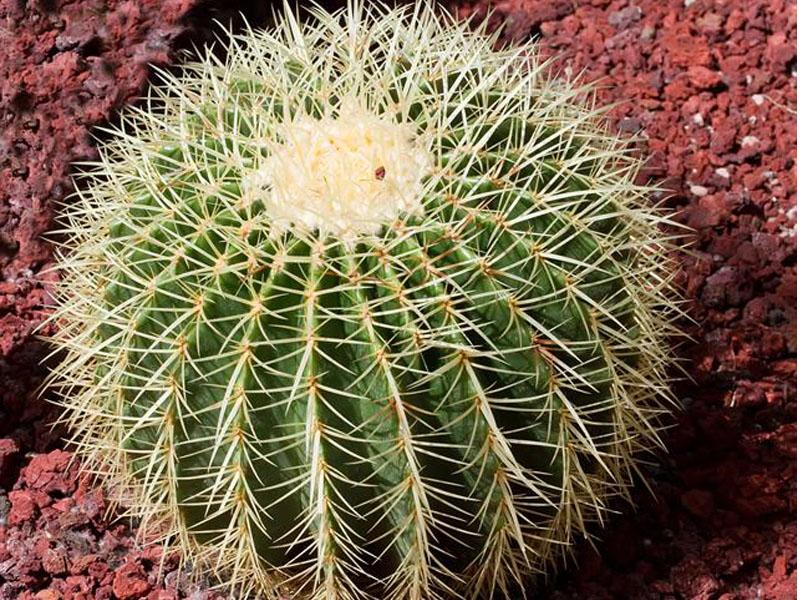
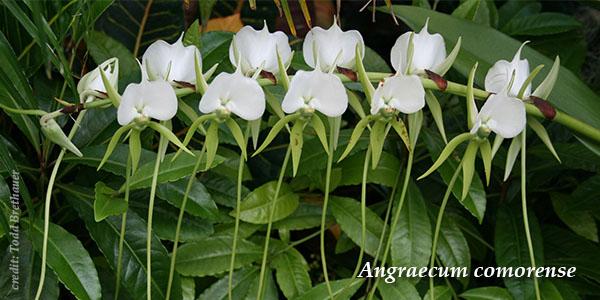
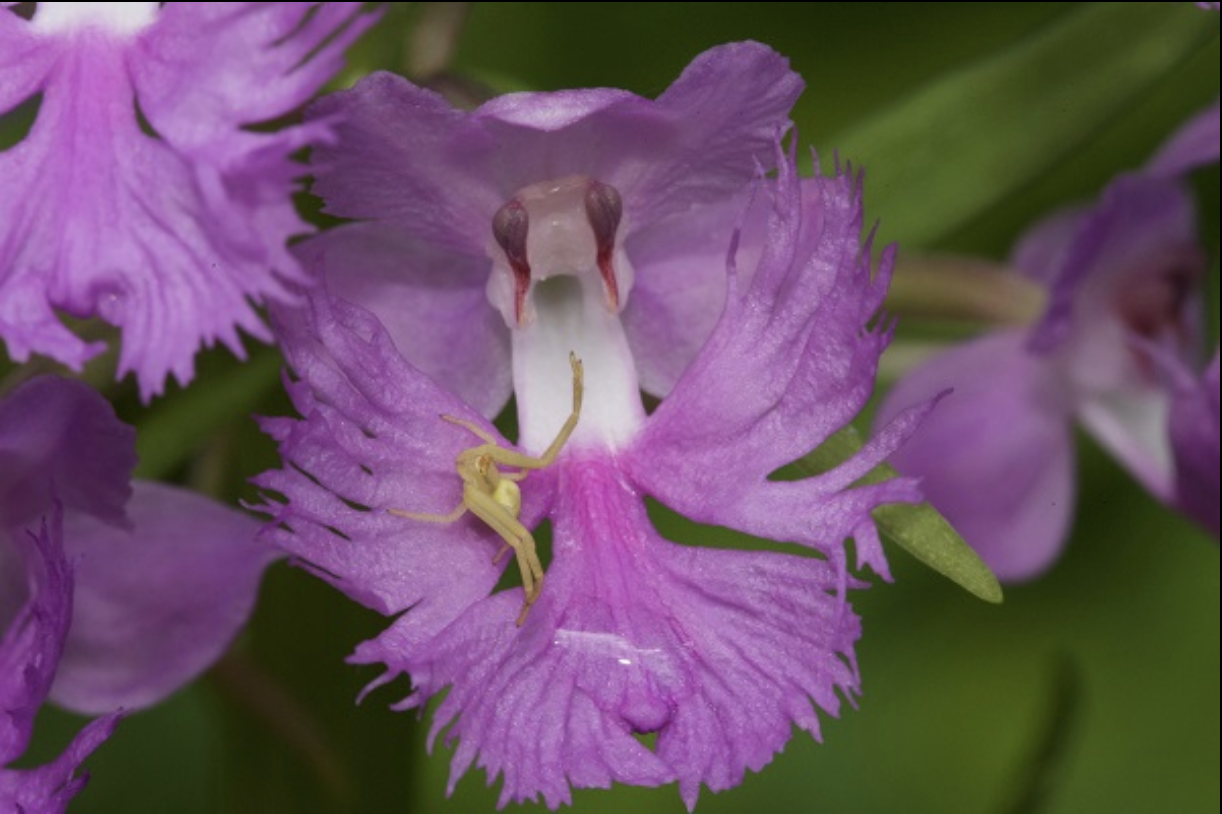
Signs to look for that a rare plants might have been taken from the wild include: for orchids, bark still attached to roots, imperfections in the leaves (greenhouse-grown stock tend to be less damaged); for cactus, soil attached to roots (as opposed to potting media) and imperfections / damage (green-house grown cacti tend to be more symmetrical with flewer blemishes caused by things in the wild).
USBG Illegal Plant Trade work in the news: