
Learn about the types of field trips offered by the U.S. Botanic Garden and register your class or students for a trip. There is no cost associated with our field trips or field trip resources but registration is required. Learn about logistics for any field trip here. We look forward to your visit!
Find your field trip:
Instructor-Led field trips are fully booked for the 2026-27 school year. Please explore our Self-Guided and Virtual field trip offerings below. You can join the waitlist for an Instructor-Led field trip here.
Self-Guided Field Trip
Self-guided student groups are welcome in the Garden during opening times (10:00 a.m. – 5:00 p.m. daily), though we ask you register your group in advance.
- Self-Guided field trips are teacher/chaperone-led and do not involve Garden employees.
- Our On-Site Activity Resources can provide support your exploration. Printed resource availability is limited, please download and print resources in advance to guarantee one for each student.
Please review our Field Trip Logistics to understand our policies and guidance on chaperones, transportation, food, and more.
Register your self-guided field trip
Instructor-Led Field Trip
- Instructor-Led field trips take place on-site at the United States Botanic Garden Conservatory
- Available for grades Pre-K through 12
- Minimum of 15 students, maximum of 55 students.
- Have less than 15 or more than 55 students? Explore Self-Guided field trips above.
- Groups over 55 students can also book multiple Instructor-Led field trips with smaller groups to accommodate all students. We ask that schools limit bookings to 4 Instructor-Led Field Trips per school.
- We allot 90-minutes for Instructor-Led field trips
- Includes a 30-45 minute classroom lesson and time for self-guided exploration of the Garden led by teachers and chaperones.
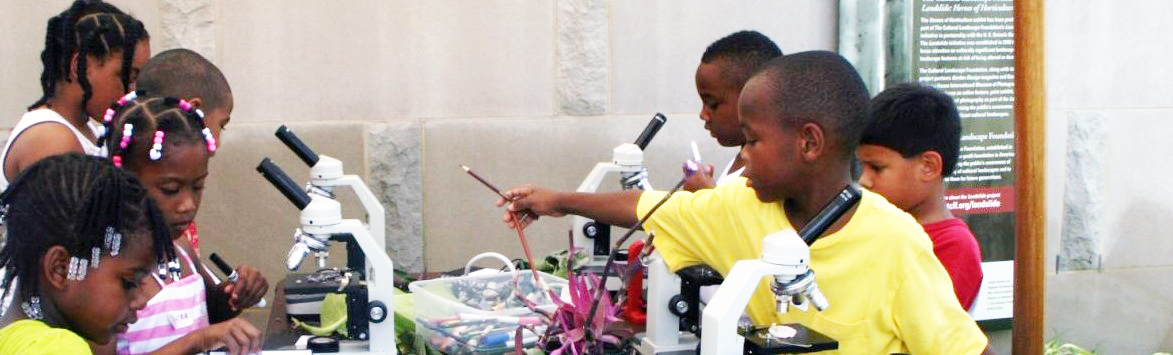
Instructor-Led field trips include engaging, hands-on lessons led by USBG educators and time for students to explore the diverse plant collections of the Garden with teachers and chaperones. Lessons are grade-level specific, aligned with Next Generation Science Standards and designed to enrich classroom curriculum.
Please review our Field Trip Logistics to understand our policies and guidance on chaperones, transportation, food, and more.
Lesson Descriptions
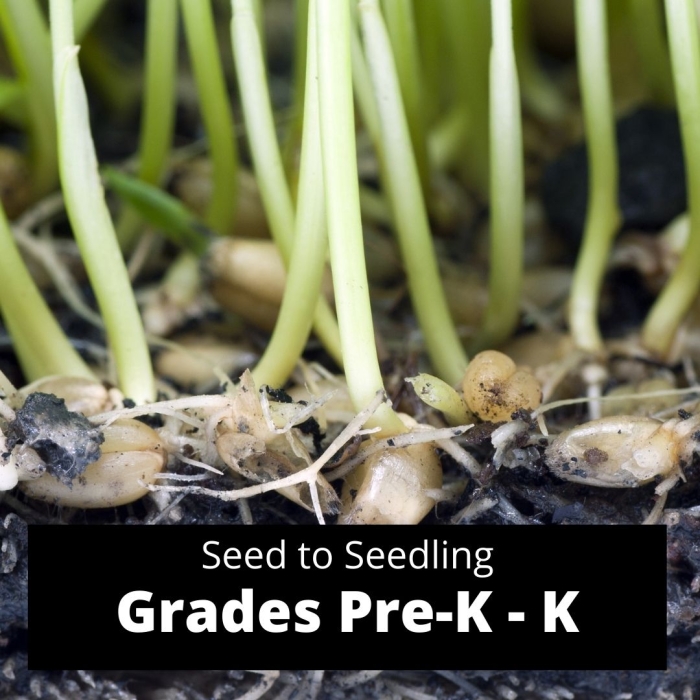
Pre-K-K: Seed to Seedling
Students explore seed germination, and what seedlings need to survive.
- K-LS1-1. Plants need water and light to live and grow.
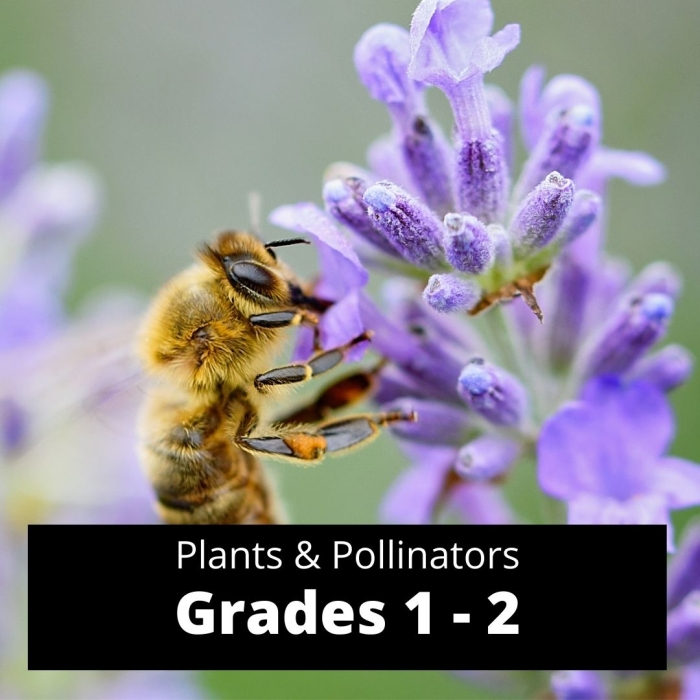
Grades 1-2: Plants and Pollinators
Students use dissection to understand the purpose of a flower. They then use a model to explore the relationship between plants and pollinators.
- 1-LS1-1. Use materials to design a solution to a human problem by mimicking how plants and/or animals use their external parts to help them survive, grow, and meet their needs.
- 2-LS2-2. Develop a simple model that mimics the function of an animal in dispersing seeds or pollinating plants.
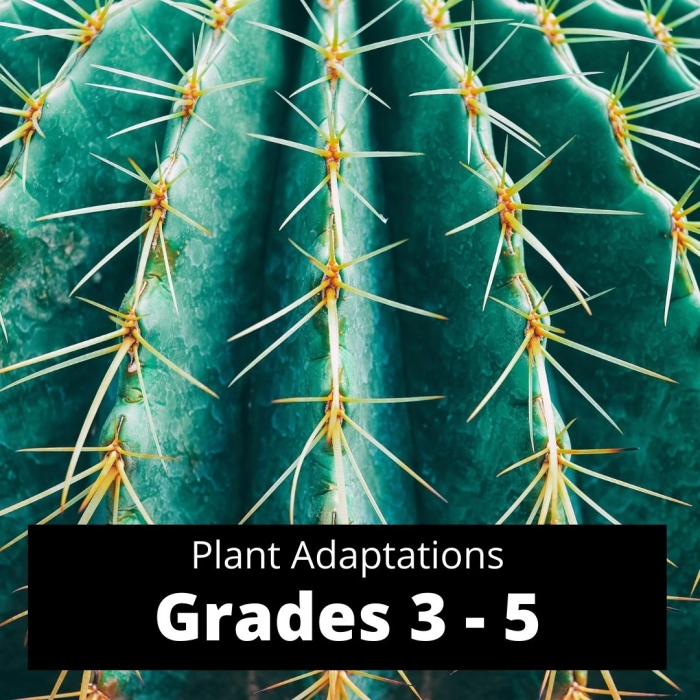
Grades 3-5: Plant Adaptations
Students explore how plants have adapted to survive the challenges in their environments.
- 3-LS3-2. Use evidence to support the explanation that traits can be influenced by the environment.
- 4-LS1-1. Construct an argument that plants and animals have internal and external structures that function to support survival, growth, behavior, and reproduction.
- 5-LS2-1. Develop a model to describe the movement of matter among plants, animals, decomposers, and the environment.
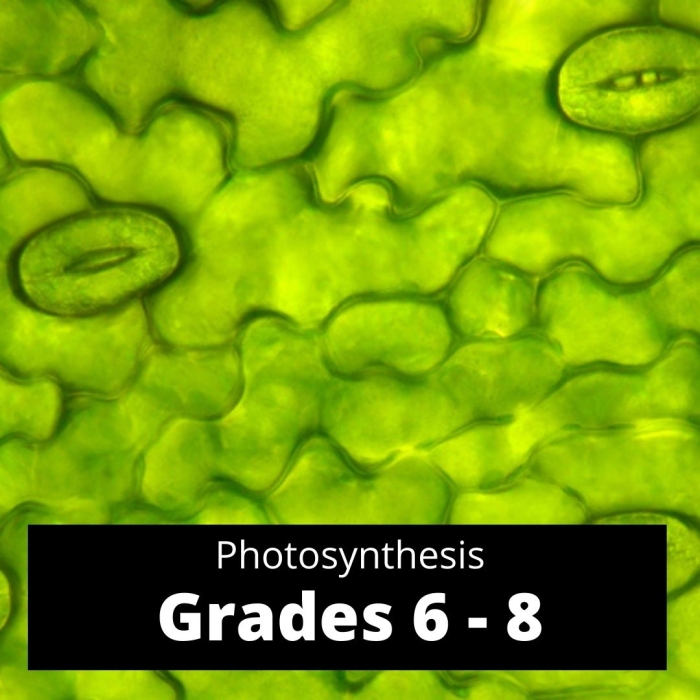
Grades 6-8: Photosynthesis
Students use microscopes and refractometers to understand how plants make their own food.
- MS-LS1-6. Construct a scientific explanation based on evidence for the role of photosynthesis in the cycling of matter and flow of energy into and out of organisms
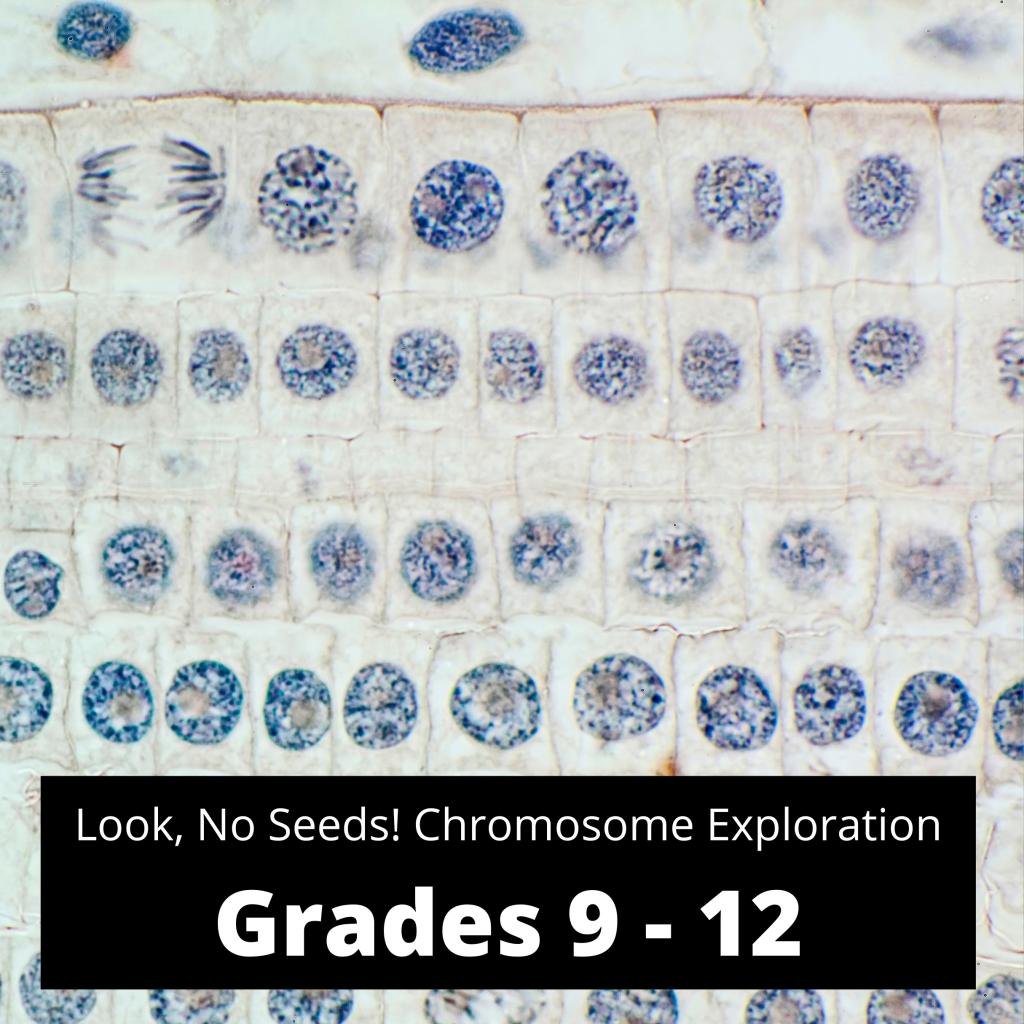
Grades 9-12: Look, No Seeds! A Chromosome Exploration
Students work together to dissect a fruit and extract the DNA from within its cells. Then, students build models of the meiosis process to better understand why some plants don’t produce seeds.
- HS-LS3-1. Ask questions to clarify relationships about the role of DNA and chromosomes in coding the instructions for characteristic traits passed from parents to offspring.
Join the Waitlist for Instructor-Led Field Trips 2026-27
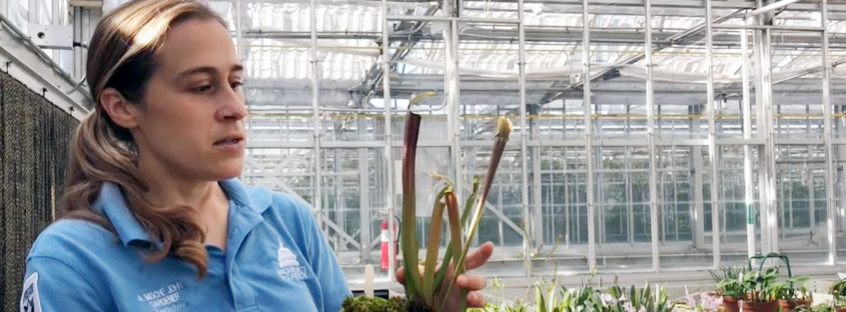
Virtual Field Trip
- Virtual field trips take place online using the school's preferred video conferencing platform
- Lessons are 45 minutes, live, and instructor-led
- Available to Students Grades 3 through 5
- Minimum of 15 students and a maximum of 55 students
- Offered on Wednesdays
These interactive virtual field trips give students a close-up look at plants from our collections. Students will explore how plants work and how they have changed over time to survive in different environments. All three lessons focus on plant adaptations to environmental challenges and align with grade-level specific Next Generation Science Standards.
Lesson Descriptions
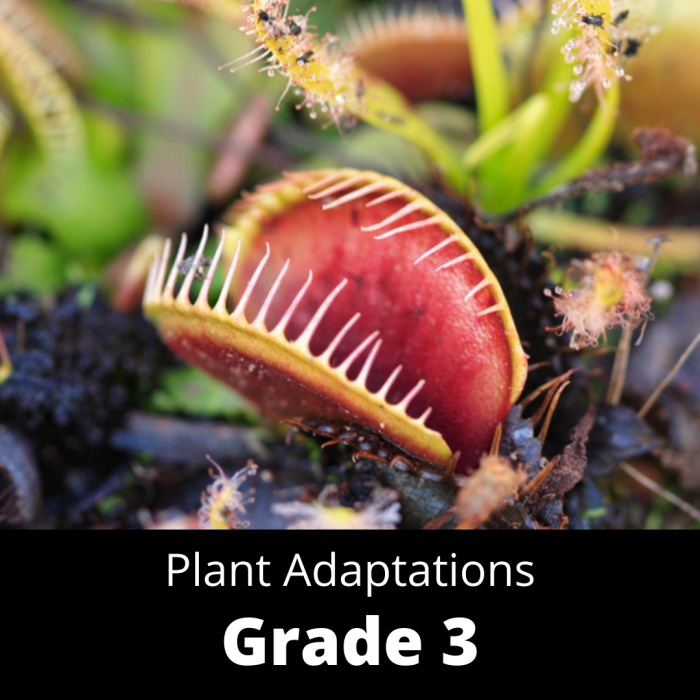
Grade 3: Plant Adaptations
Students investigate the connection between the environmental challenges plants face and their adaptive traits. In their investigation, students focus on constructing explanations for why plants have certain traits given the conditions of their growing environment. Why do bog-dwelling carnivorous plants trap insects? Let’s figure it out together!
- NGSS: 3-LS3-2 - Heredity: Inheritance and Variation of Traits: Use evidence to support the explanation that traits can be influenced by the environment.
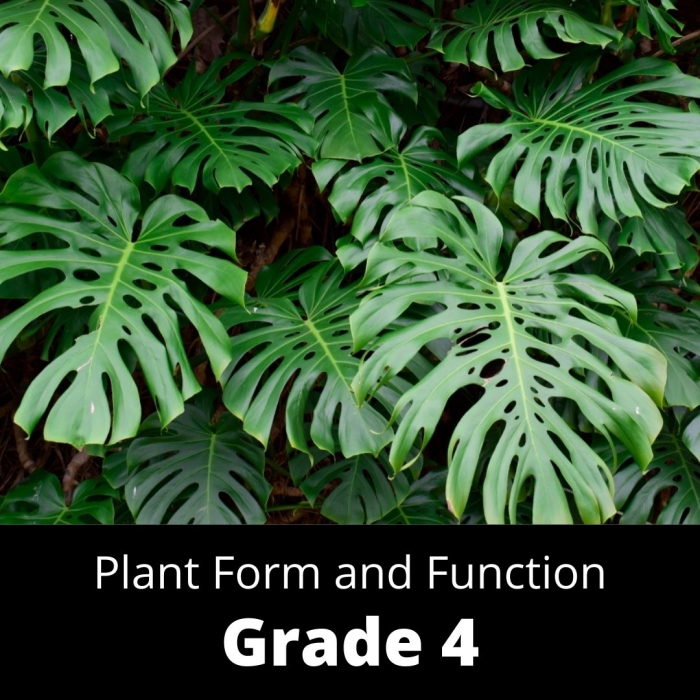
Grade 4: Plant Form and Function
Students explore plant form and function, and construct arguments for how external structures help plants survive challenges in different environments. How do the holes in the leaves of the swiss cheese plant help it survive in the rainforest? Let’s figure it out together!
- NGSS: 4-LS1-1 - From Molecules to Organisms: Structures and Processes: Construct an argument that plants and animals have internal and external structures that function to support survival, growth, behavior, and reproduction.
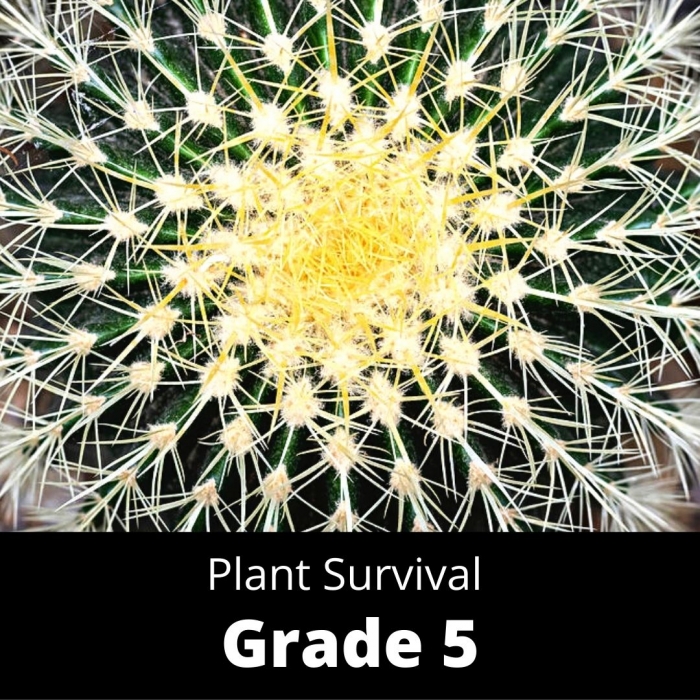
Grade 5: Plant Survival in Challenging Environments
Students investigate how plants obtain necessary matter and energy in different challenging environments. If cactus leaves are spines, where does photosynthesis take place in most cacti? Let’s figure it out together!
- NGSS: 5-LS2-1 - Ecosystems: Interactions, Energy, and Dynamics: Develop a model to describe the movement of matter among plants, animals, decomposers, and the environment.