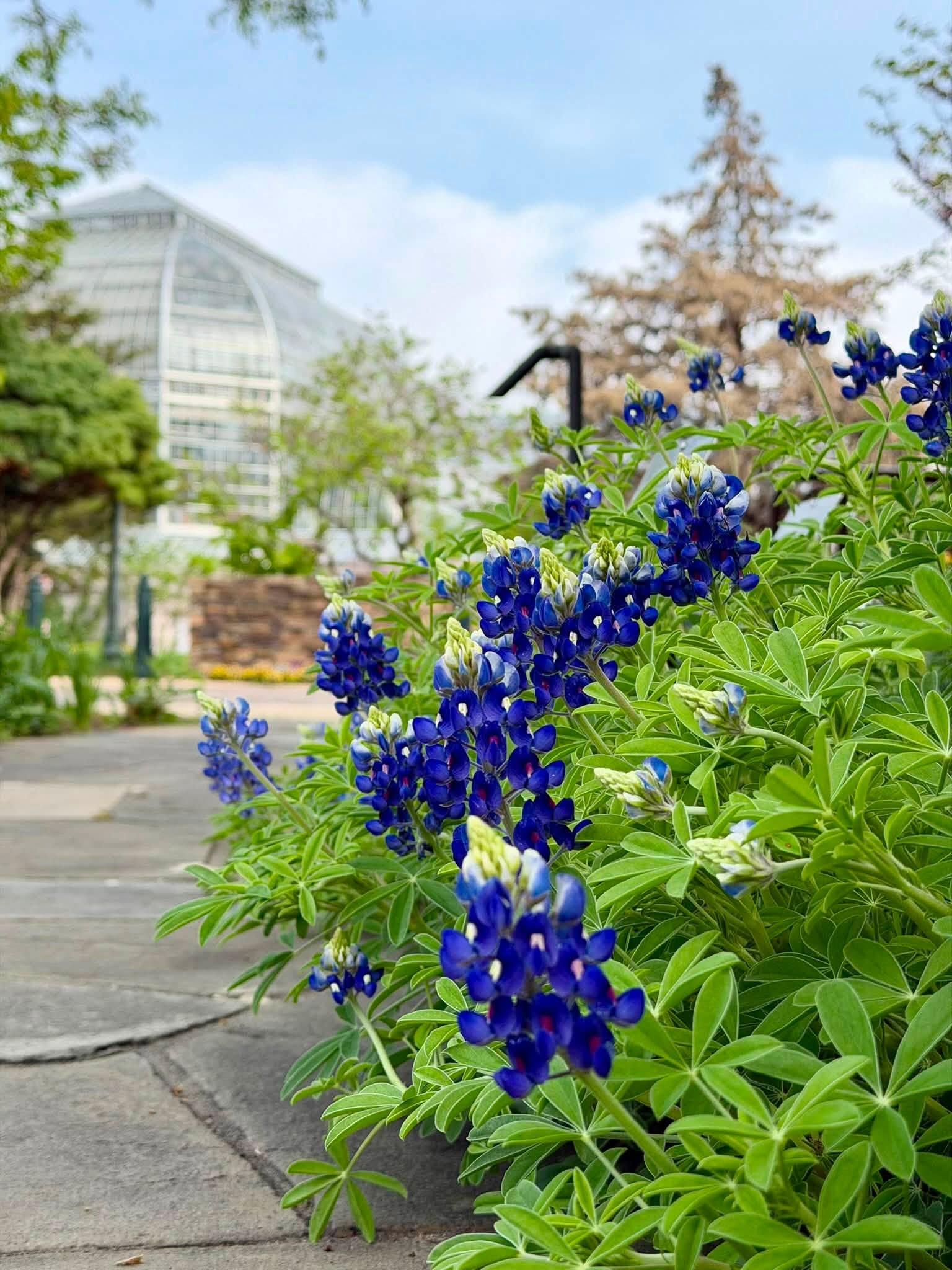
In celebration of America's 250th anniversary, the U.S. Botanic Garden is showcasing the flowers each U.S. state and territory has chosen as their official flower. The April-October 2026 exhibit shares their sights and stories with living plants, artistic displays, botanical illustrations, and herbarium specimens.

From fragrant magnolia flowers and roses to native orchids, bluebonnets, and saguaro cactus flowers, enjoy the variety as we feature the floral beauty that symbolizes America.

See the full list on our America's State Flowers webpage, and continue reading to learn more as we showcase each official flower.

Oklahoma | Oregon | Puerto Rico | South Carolina | South Dakota | Tennessee | Texas
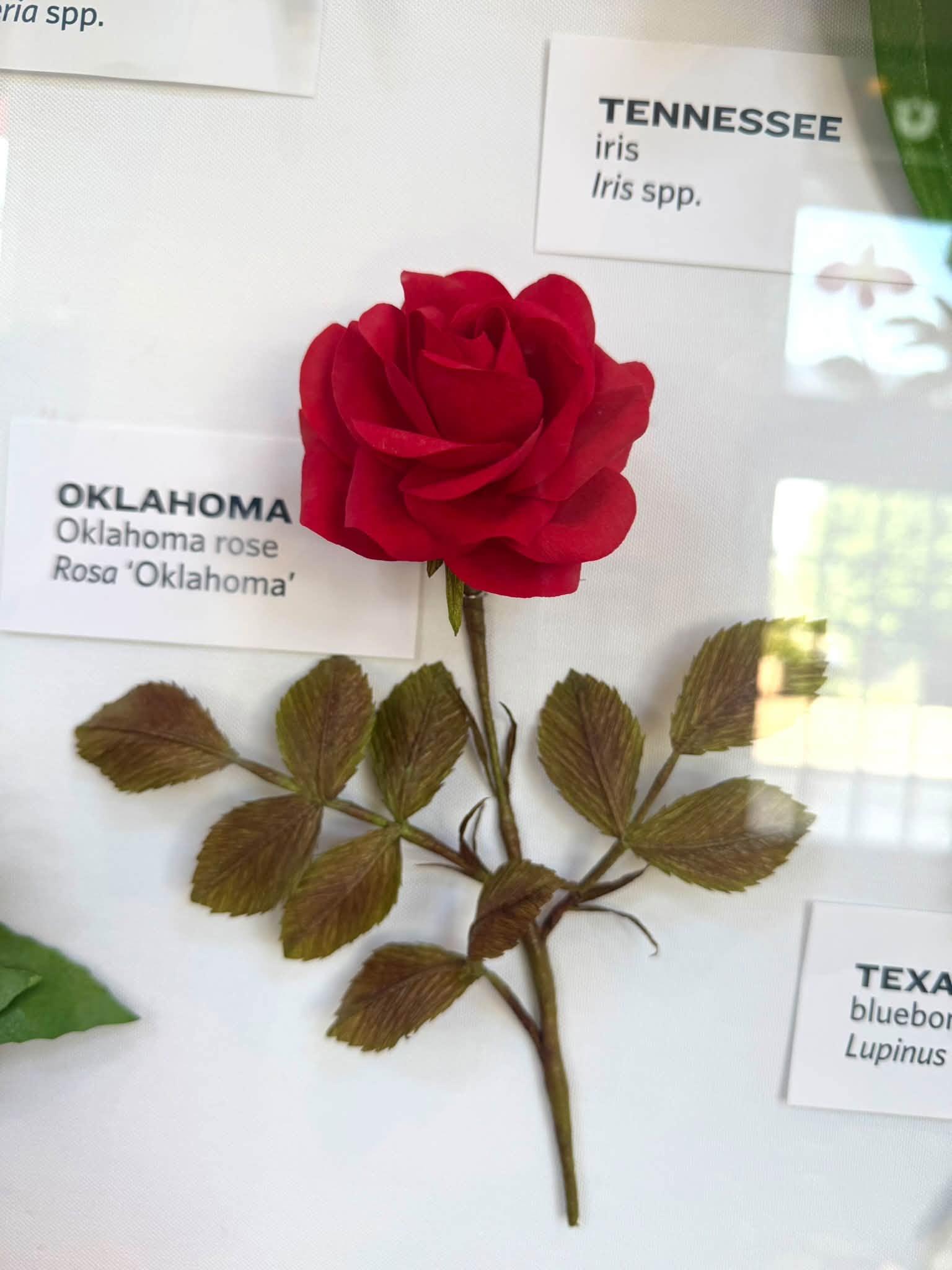
OKLAHOMA

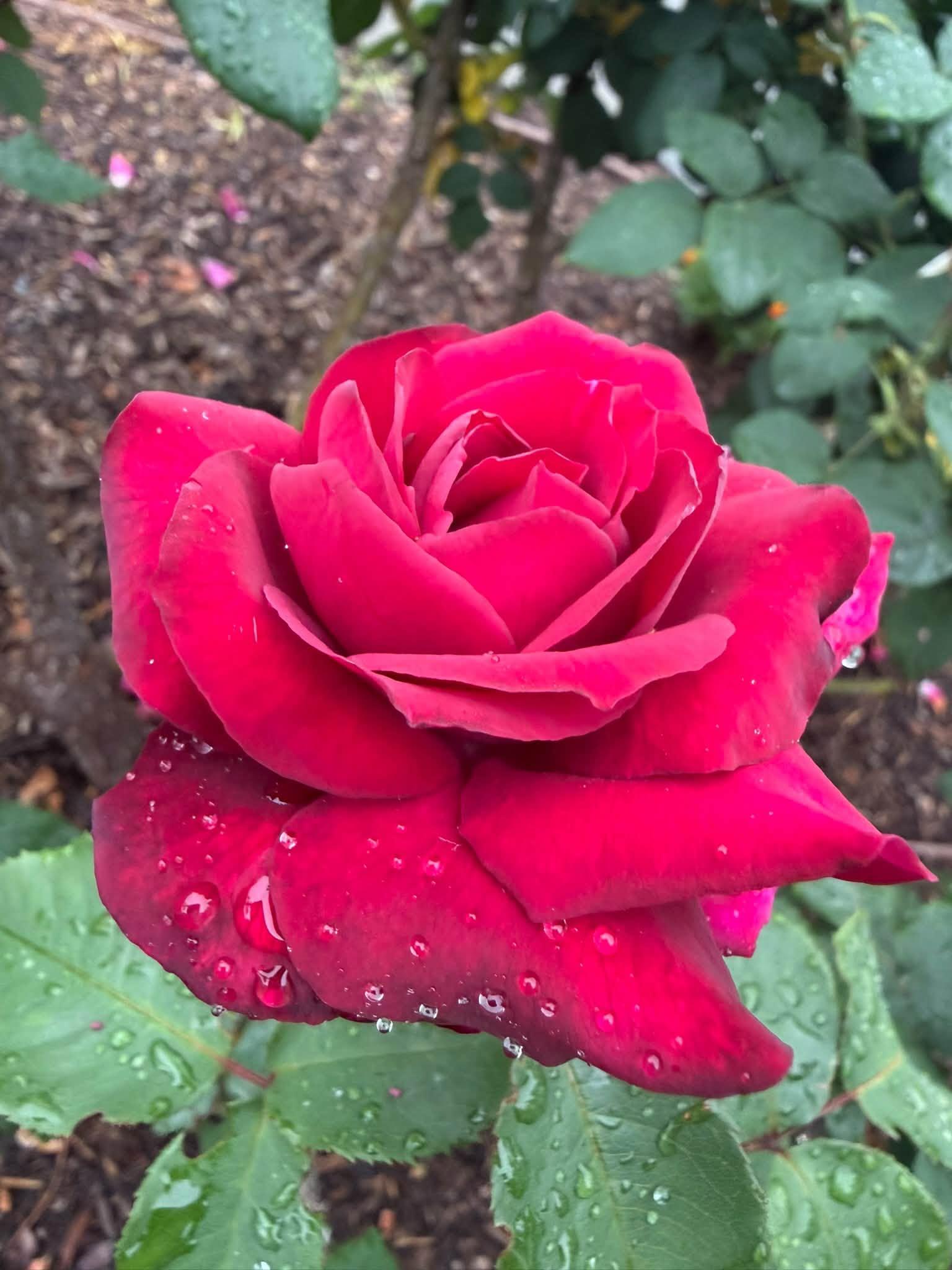
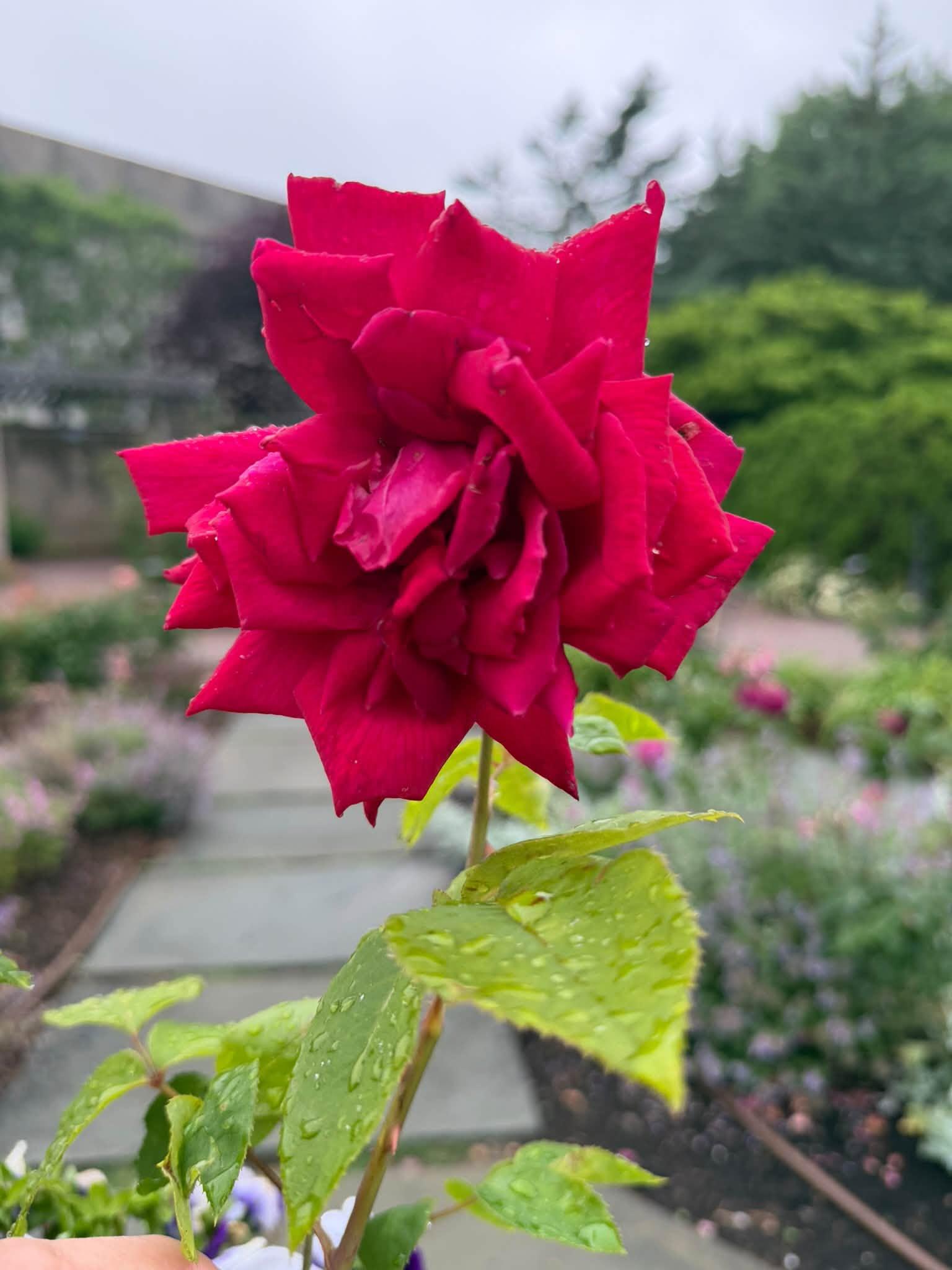
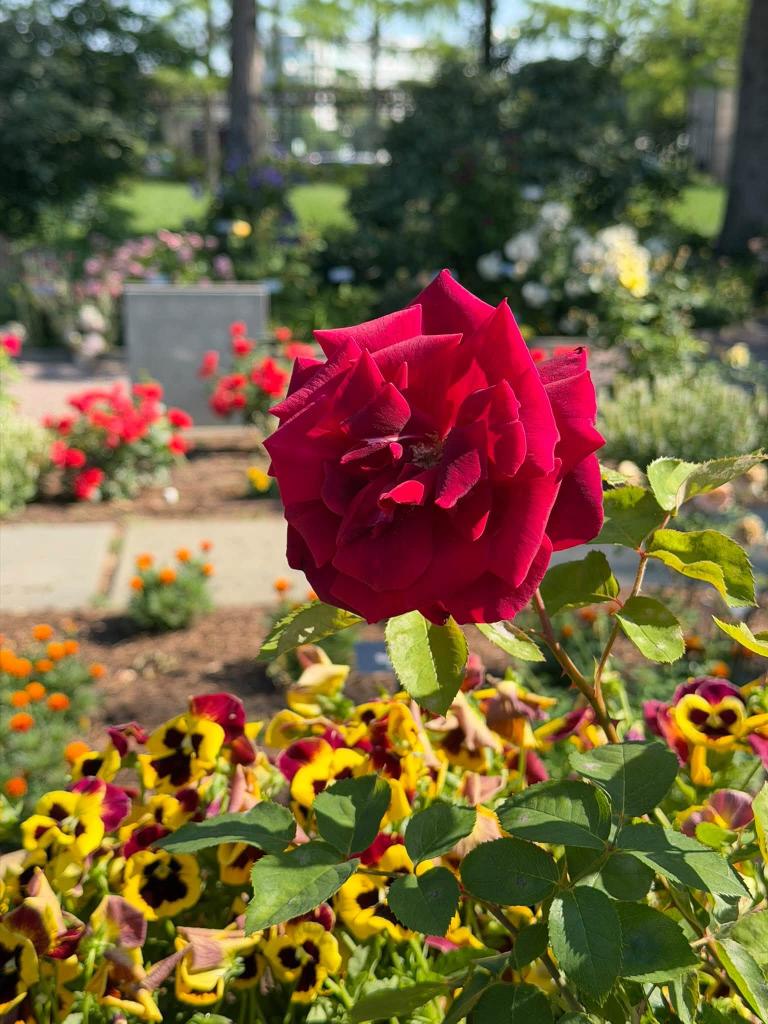
Oklahoma rose (Rosa 'Oklahoma')

red flower with yellow flowers below

This large, dark-red hybrid tea rose with a strong fragrance was bred at Oklahoma State University in 1964 with The Intention, To The displayed at the Oklahoma exhibit at the 1964 New York World's Fair, but it didn’t become the official state flower until 2004.

A native mistletoe was named the official territory floral emblem in 1893 after a state legislator waxed poetic about it being the only plant alive in winter to adorn pioneer graves. Alfalfa almost became the state flower in 1906, but after statehood the mistletoe was confirmed again in 1910. But some wanted a non-parasitic, showier garden flower to be the state flower. Yucca rose as a possibility in 1938 but without action. State legislators talked about making the Oklahoma Rose the state flower starting in 1967, 500 of them were planted on the Capitol grounds, but it was 40 years before action was taken.

Bloom time: April-June

OREGON

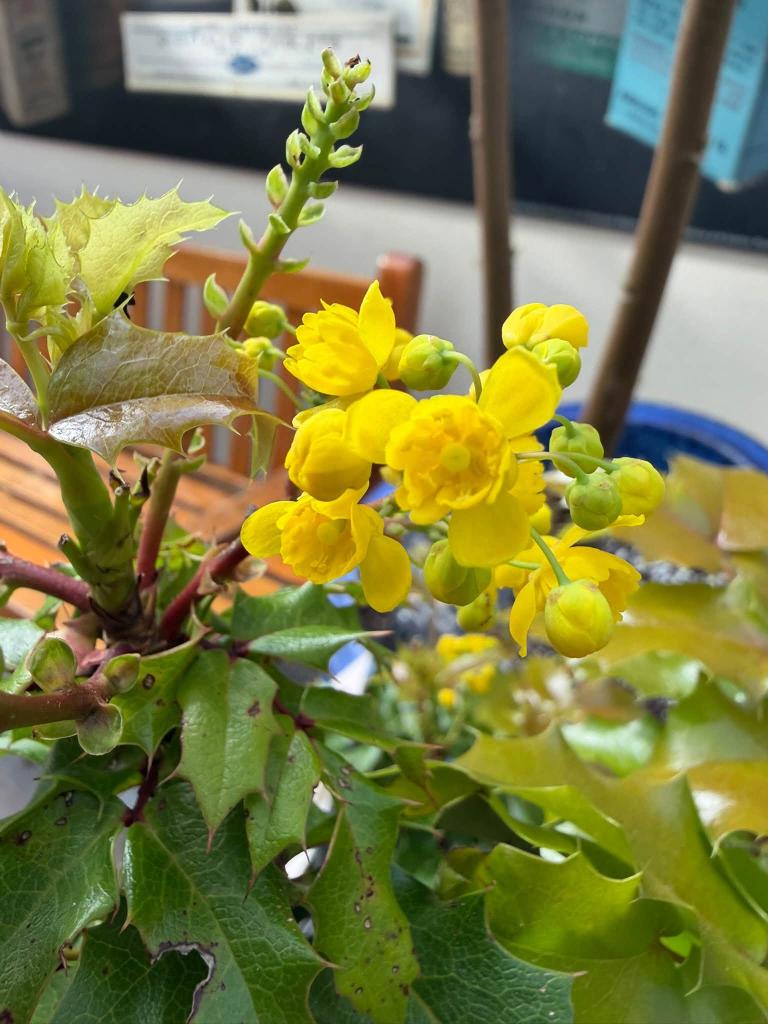
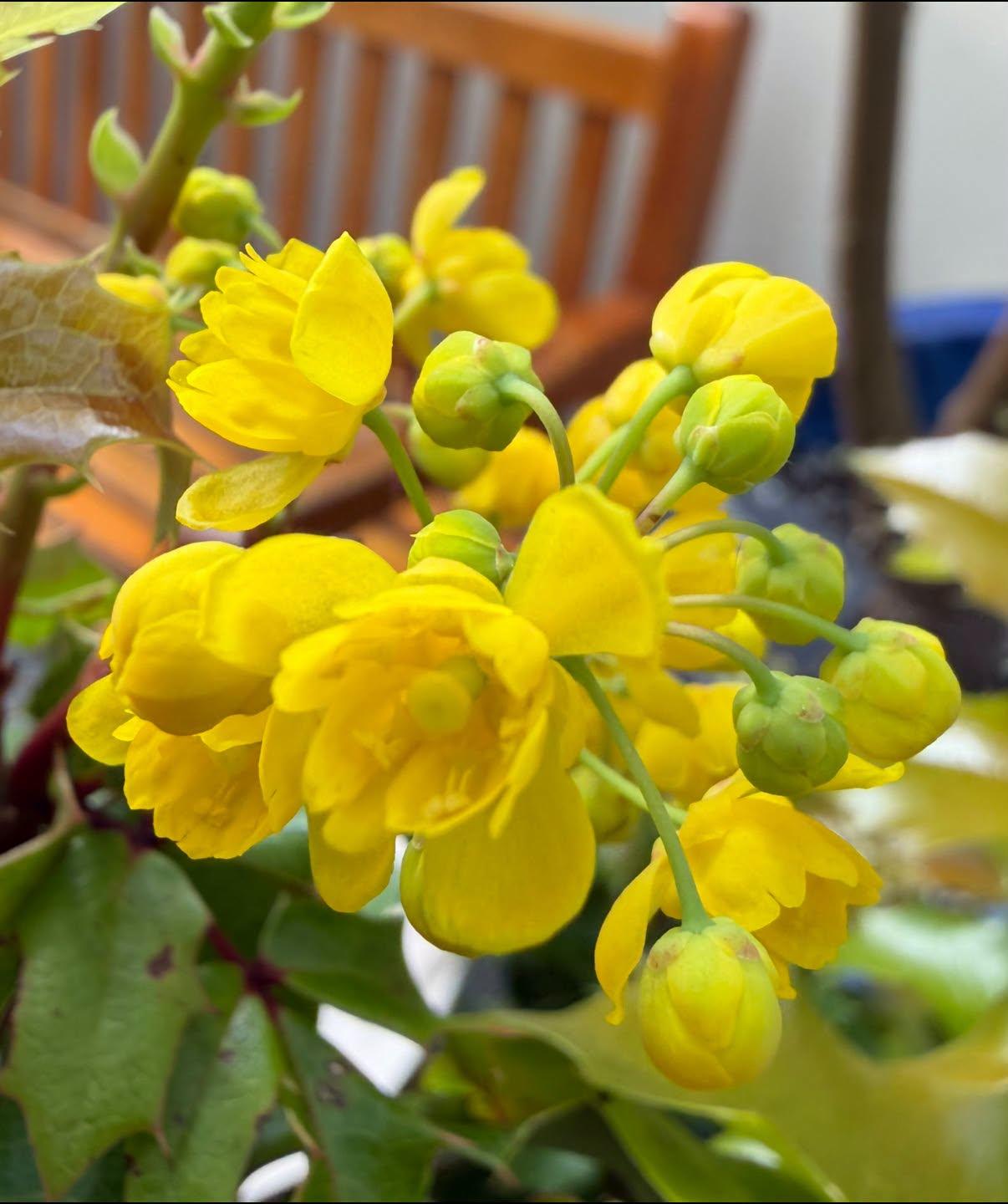
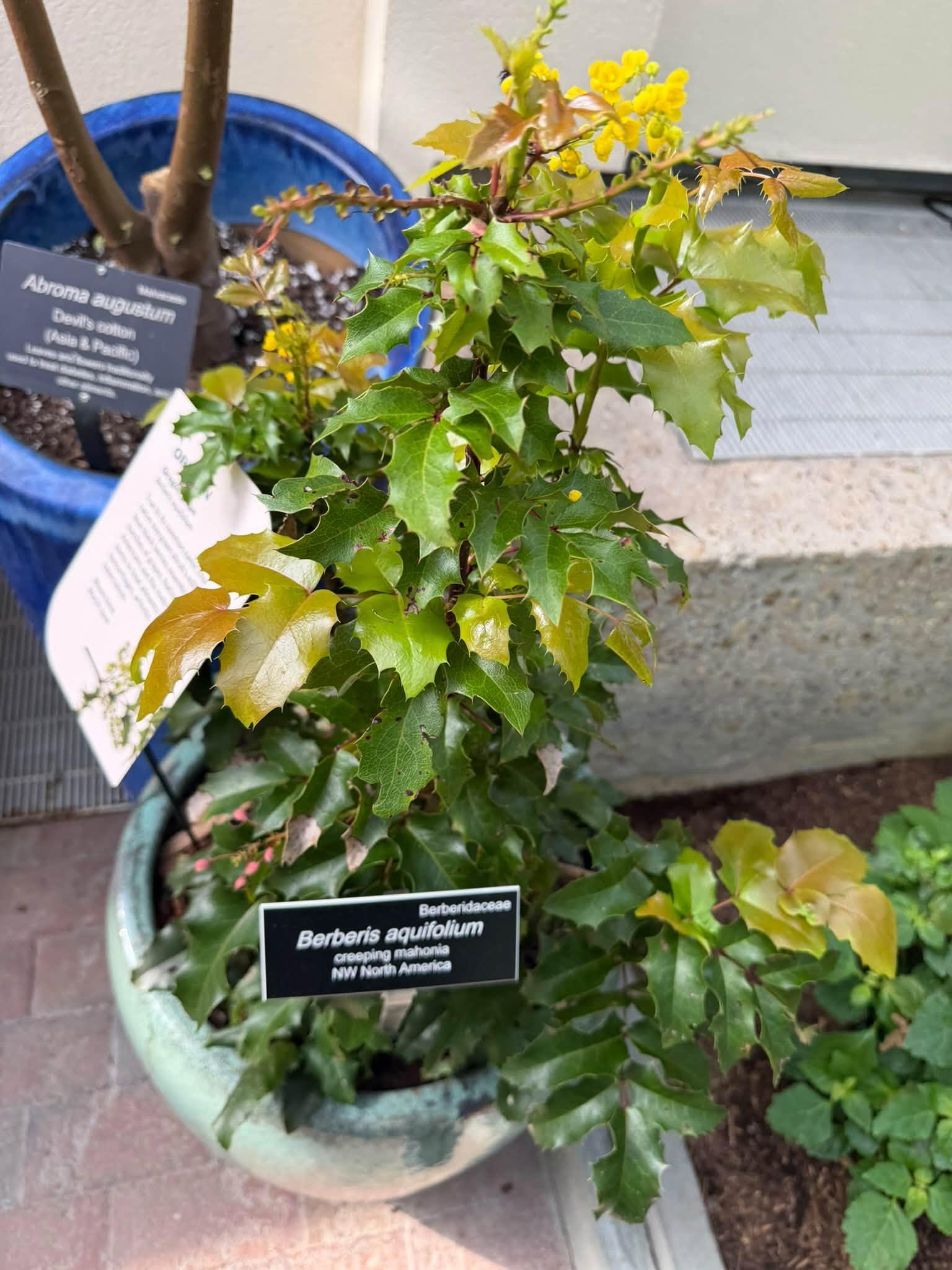
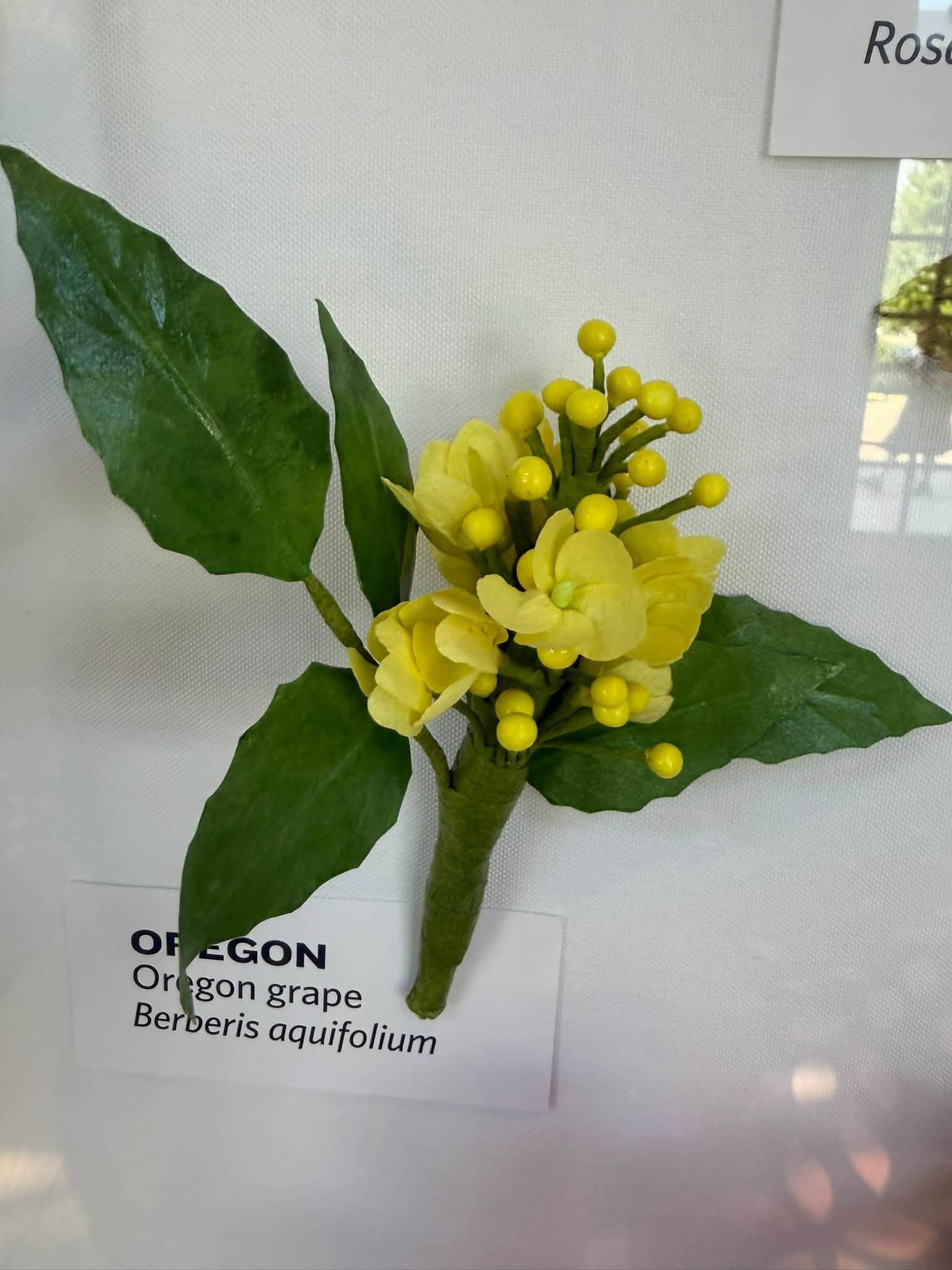
Oregon grape (Berberis aquifolium)

yellow flowers

True to its common name, this native evergreen shrub's edible blue-black berries resemble bunches of grapes. Native Americans use the roots and stems to treat ailments like hemorrhages, arthritis, and tuberculosis.

The plant was named the state flower in 1899, beating out the Washington lily and wake-robin. Oregon was the 10th state to designate a state flower. It grows throughout the state, and provides color both through the yellow flowers but also through the glossy leaves that stay green through the winter. 

Bloom time: March-June

PUERTO RICO

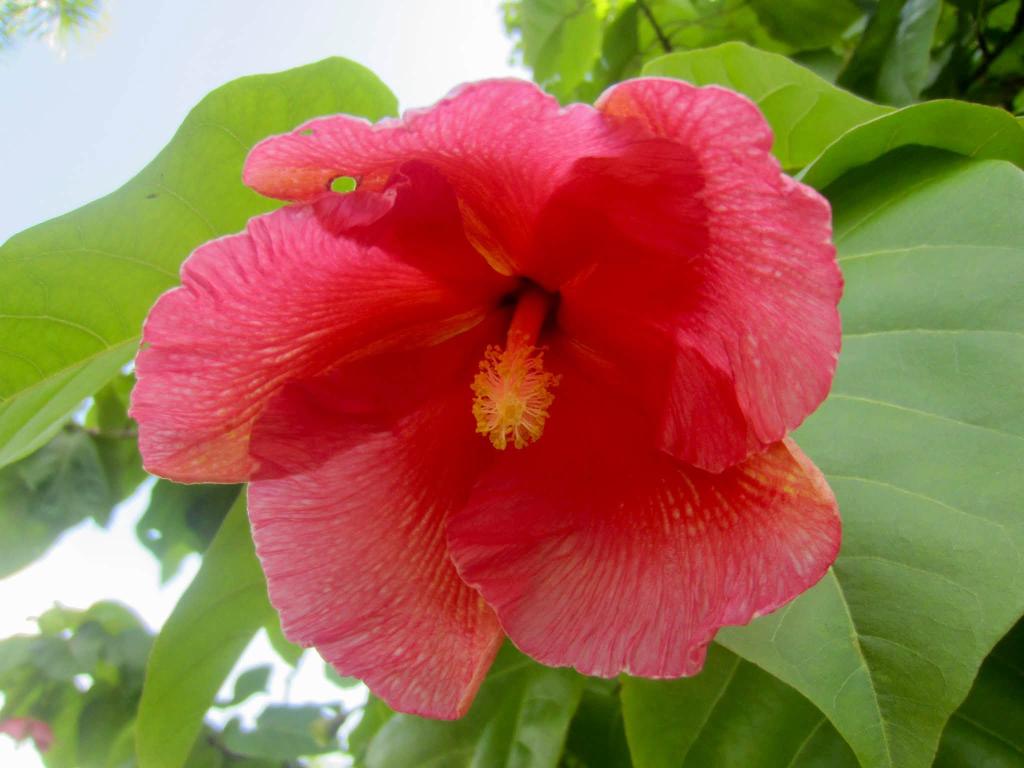
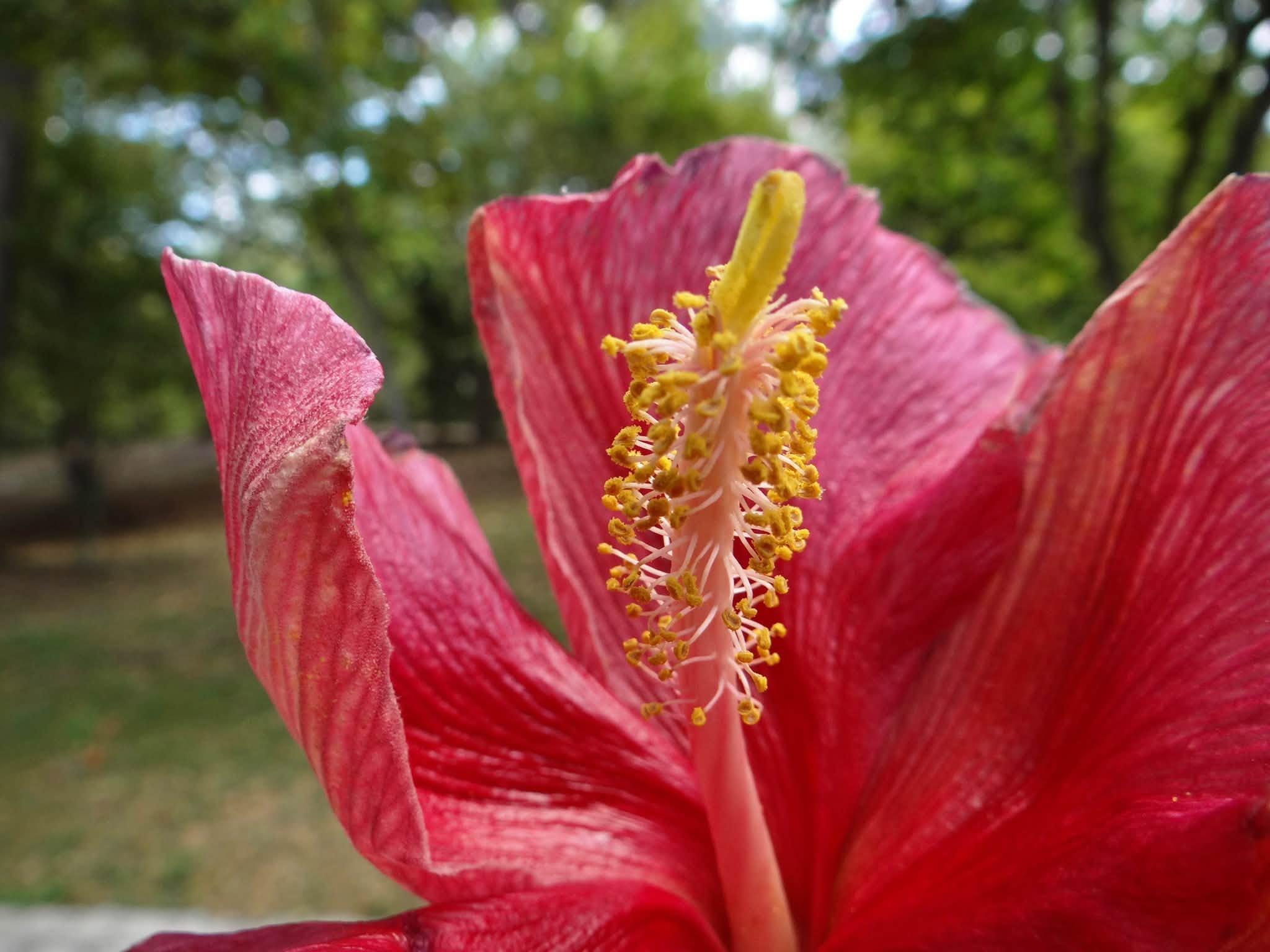
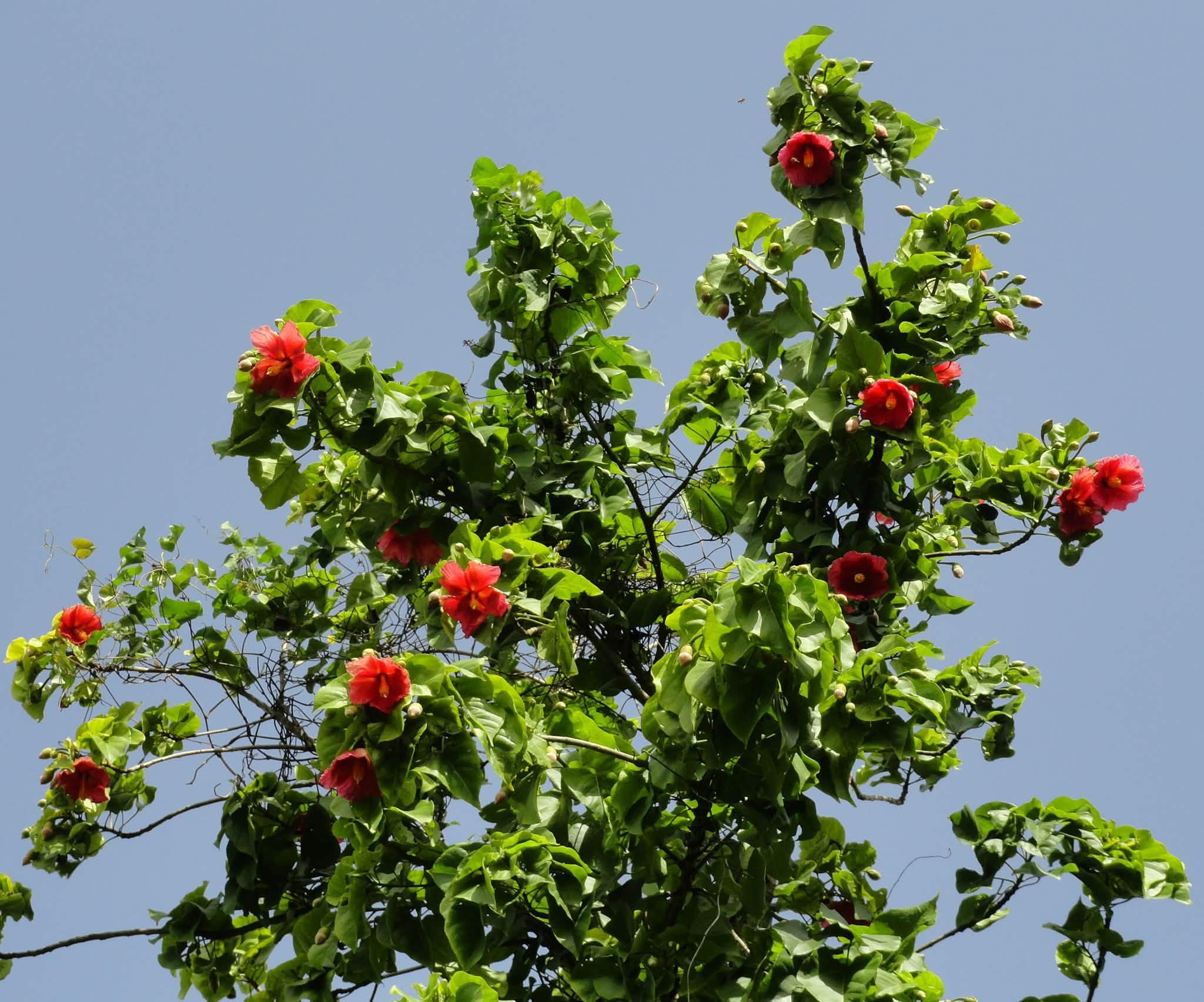
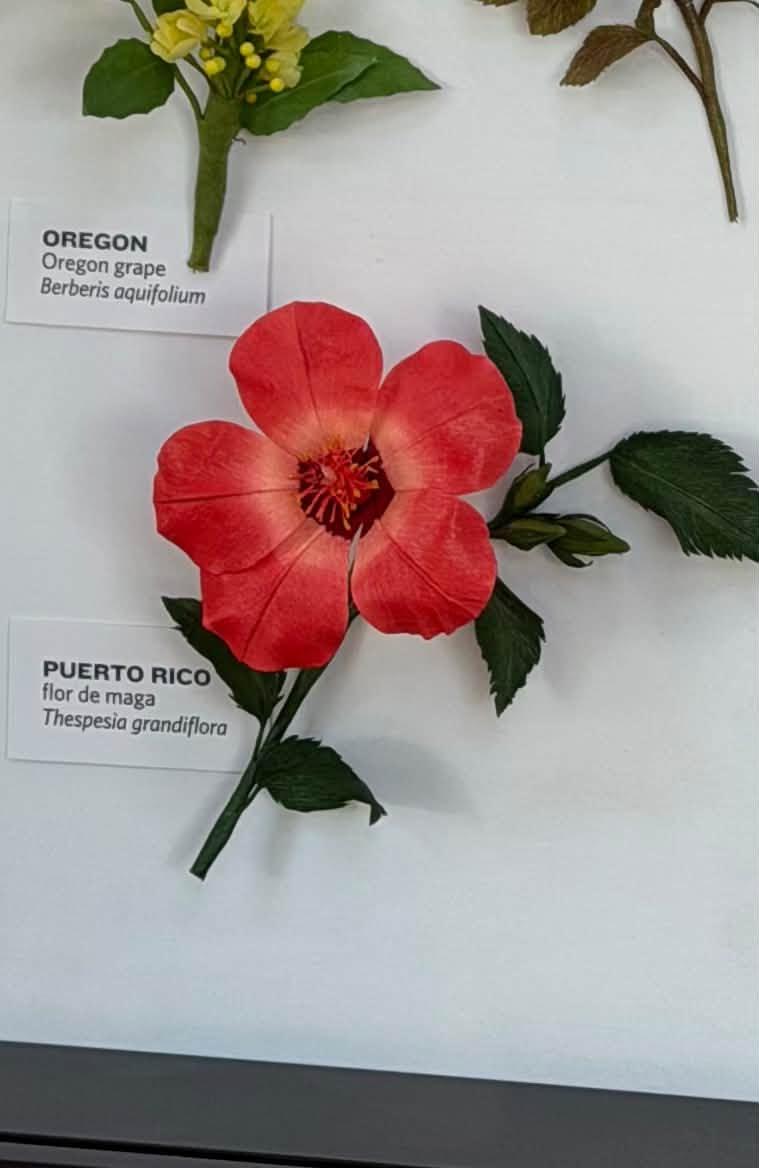
Flor de maga (Thespesia grandiflora)

pink flower

Closely related to the cotton plant, the flor de maga tree is native to Puerto Rico. Not only can you find this flower throughout the island, you can also see it on the 2009 Puerto Rico quarter. Its large, pinkish-red flowers are known beyond the island as a desirable ornamental. And it has its own official holiday! The Puerto Rico legislature designated the first Monday of October to celebrate their official flower.

While not in the Hibiscus genus, if you think its flowers resemble hibiscus flowers, that's because they are in the same plant family: Malvaceae. This one just happens to be a much larger plant than its hibiscus cousin! It can grow up to 50 feet tall and the wood is also used to make furniture. The tree may grow up to five years before starting to produce flowers.

[Photo above by Natanya Reyes.]
[First and second photos below by Jardín Boricua.]

Bloom time: May-July

SOUTH CAROLINA

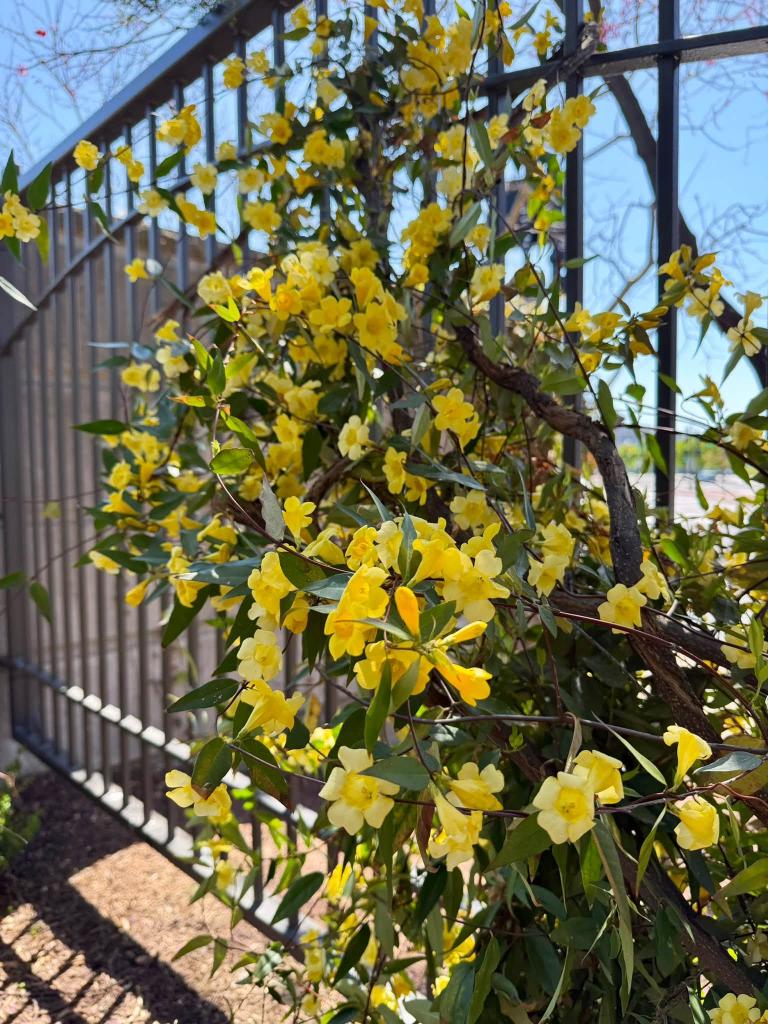
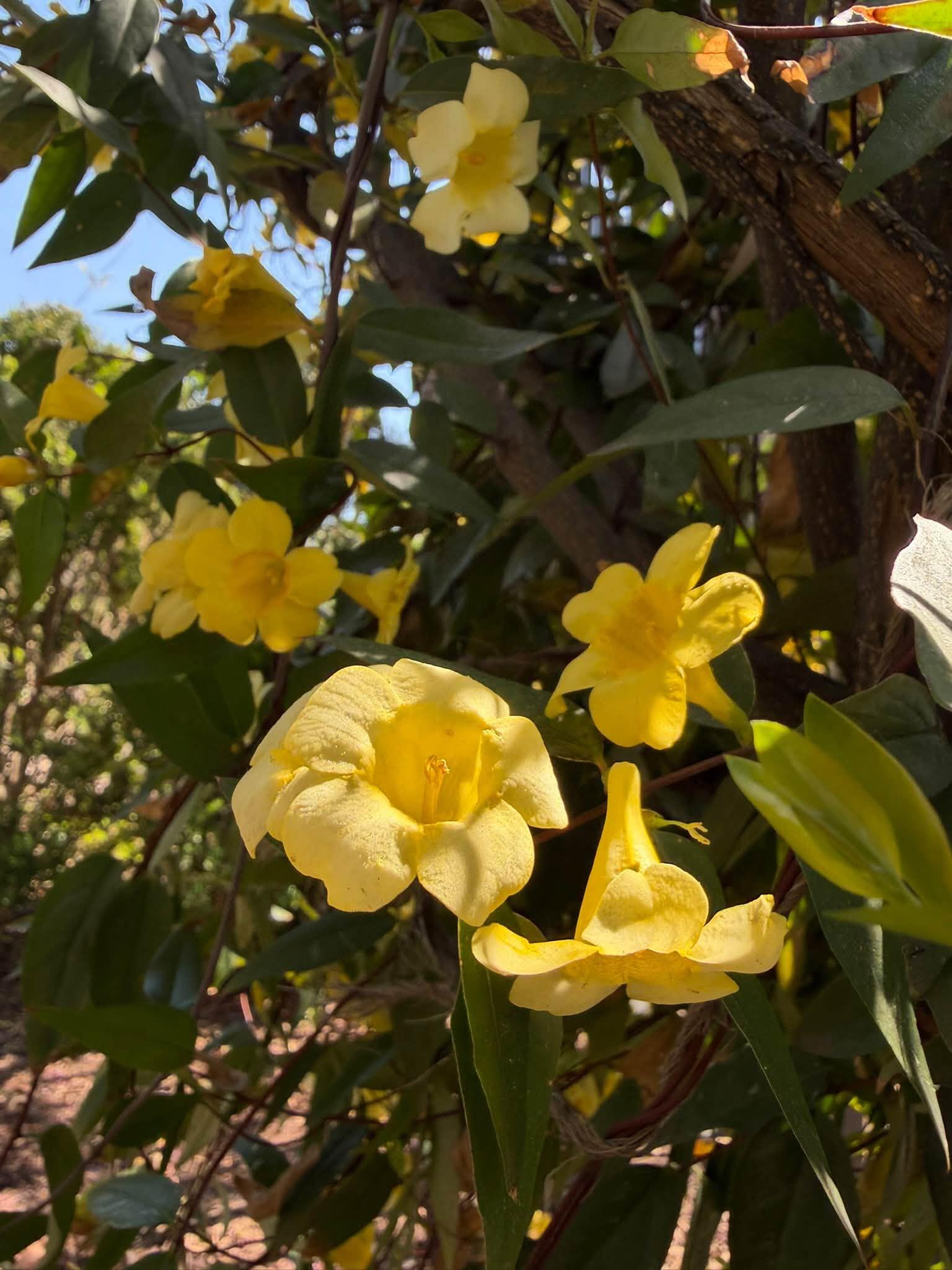
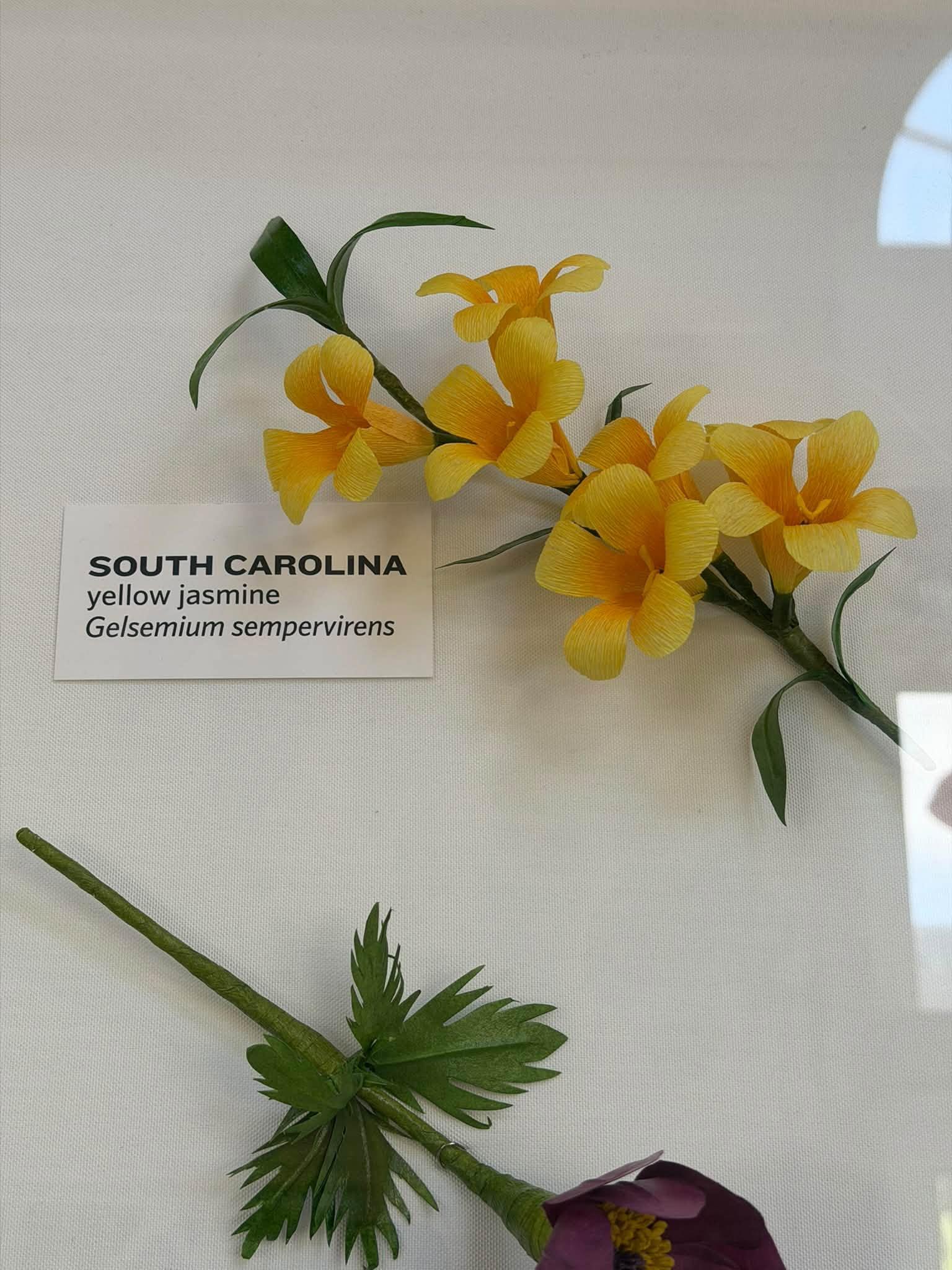
Yellow jasmine (Gelsemium sempervirens)

yellow flowers with a metal fence behind

A fragrant, yellow flower that is one of the first blooms in early spring, jessamine grows as a vine or ground cover and is native to the southern United States.

The sweet-smelling fragrance attracts bees and butterflies, and also humans who create essential oils to use in perfume. It is found throughout South Carolina; with the General Assembly referring to it being "indigenous to every nook and corner of the State." It was named the official state flower in 1924.

Bloom time: March-May

SOUTH DAKOTA

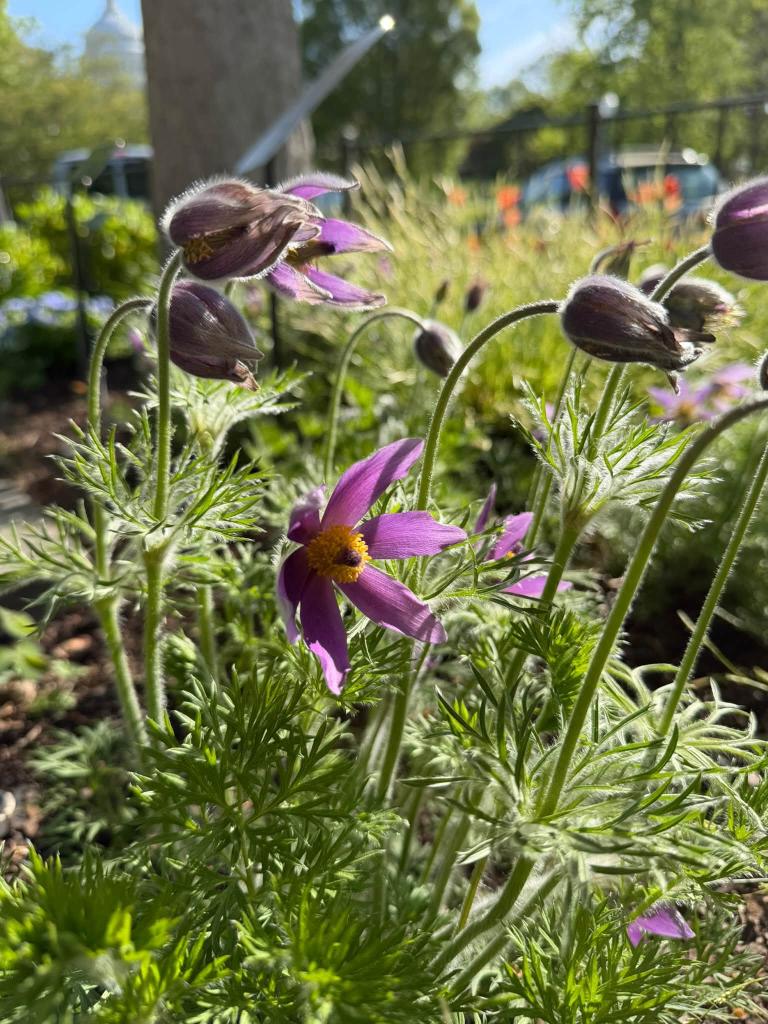
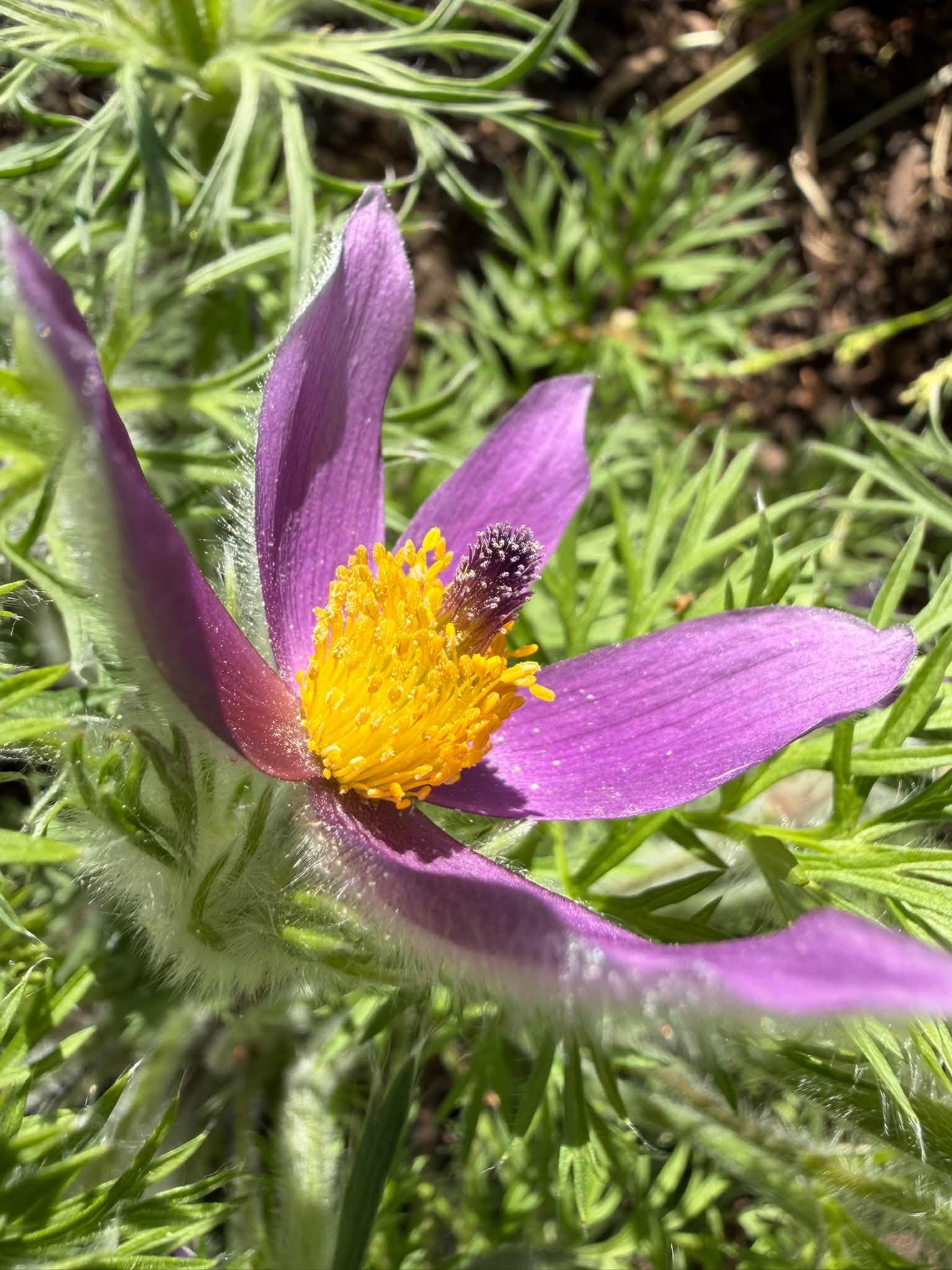
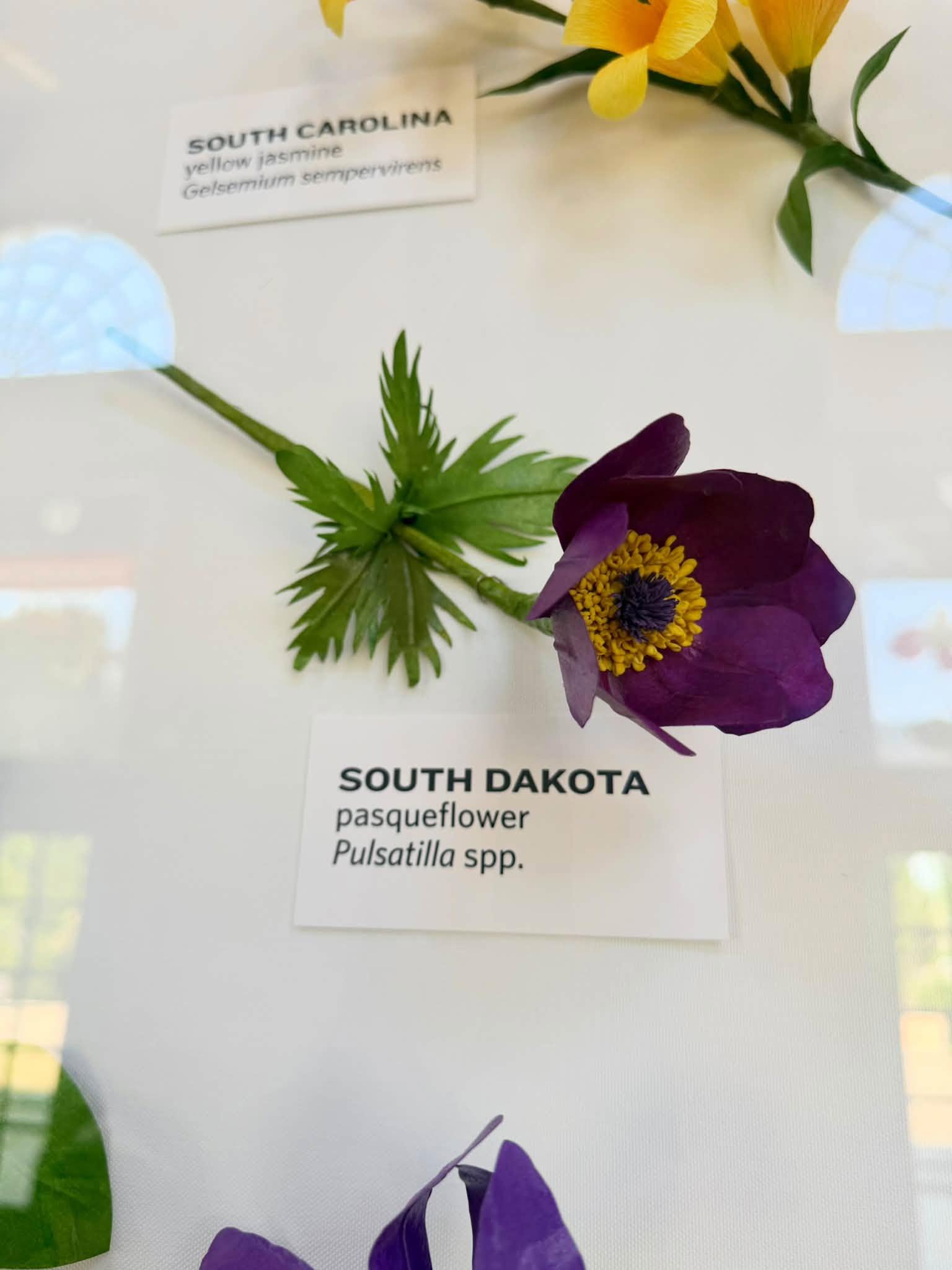
Pasqueflower (Pulsatilla spp.)

purple flowers

With showy, purple flowers that are some of the earliest to appear each spring, South Dakota named pasqueflower the state flower in 1903, accompanied by the motto "I lead." It is the only state to have incorporated a motto with its state flower. The entire plant is covered with soft, silvery hairs.

It is not unusual that pasqueflowers begin blooming while there is still snow on the ground in South Dakota, leading South Dakota poet laureate Badger Clark to describe their state flower as "That bold bit of life at the edge of the snows" in his 1939 poem Pasqueflower.

Bloom time: April-August

TENNESSEE

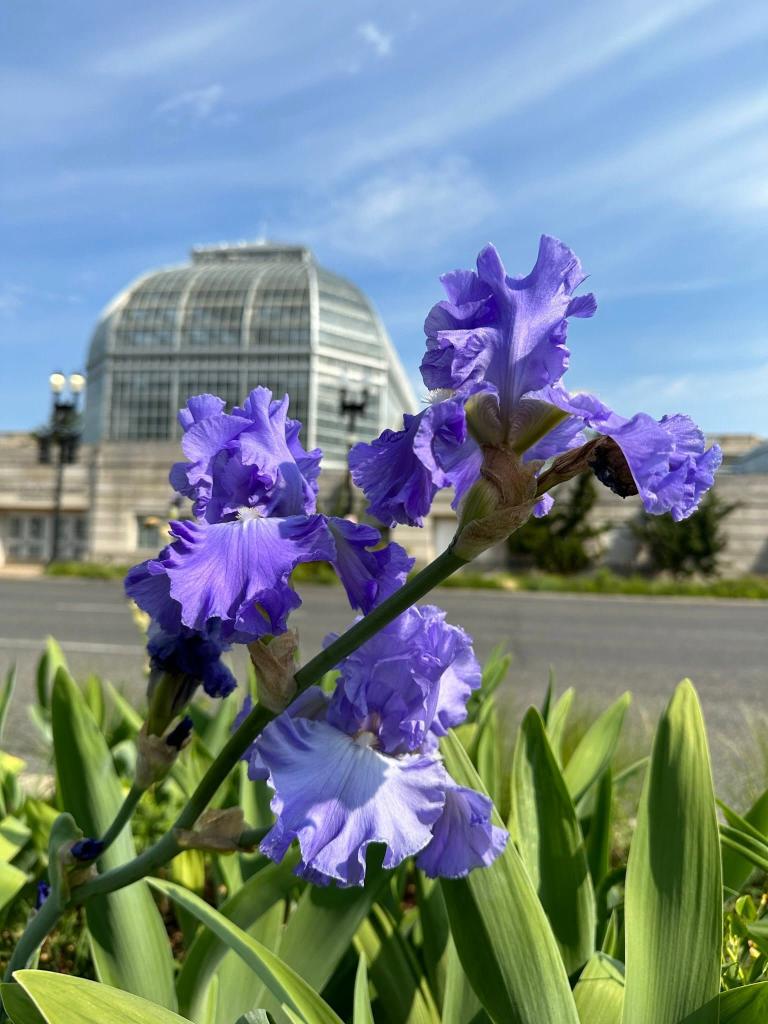
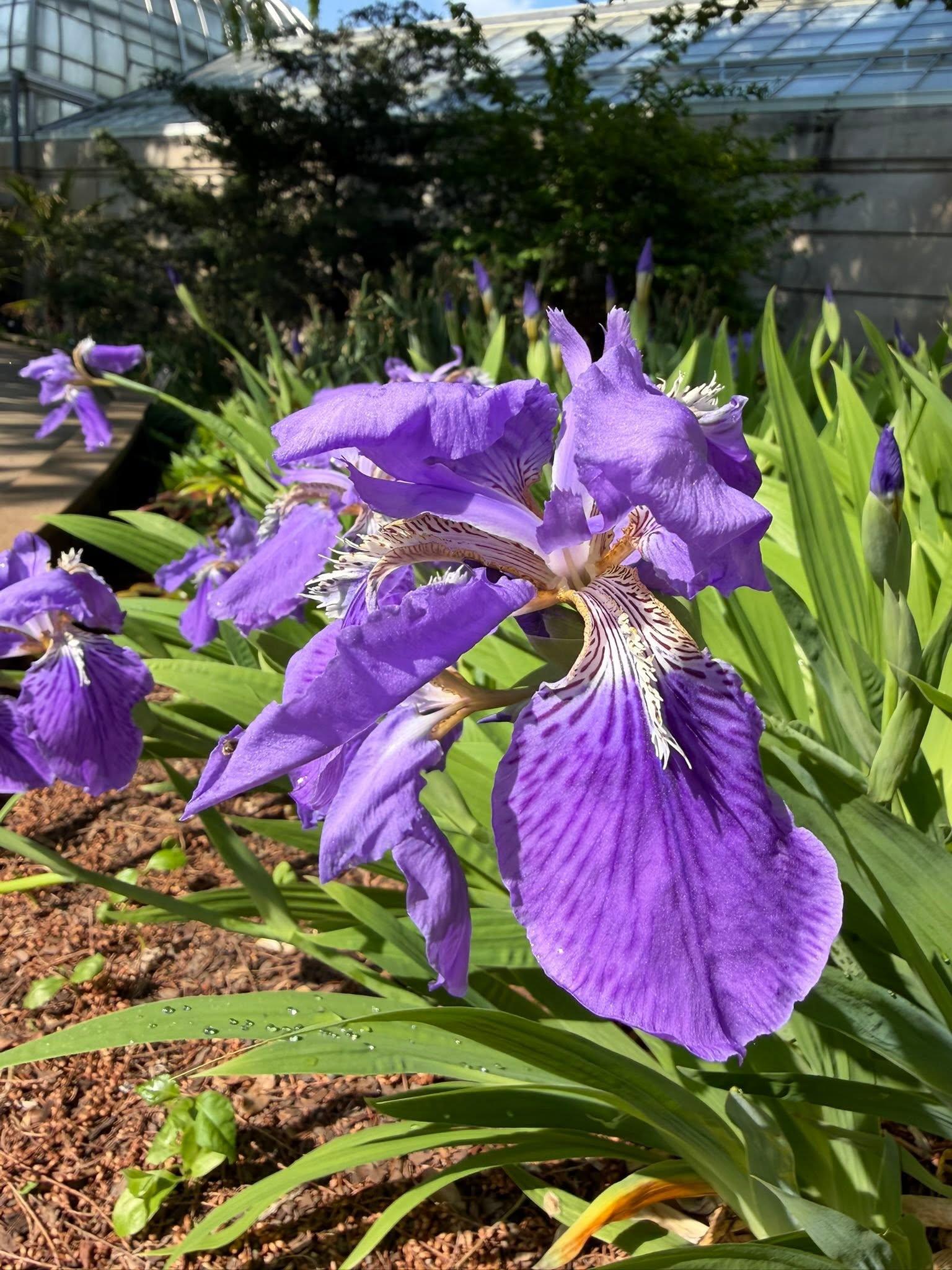
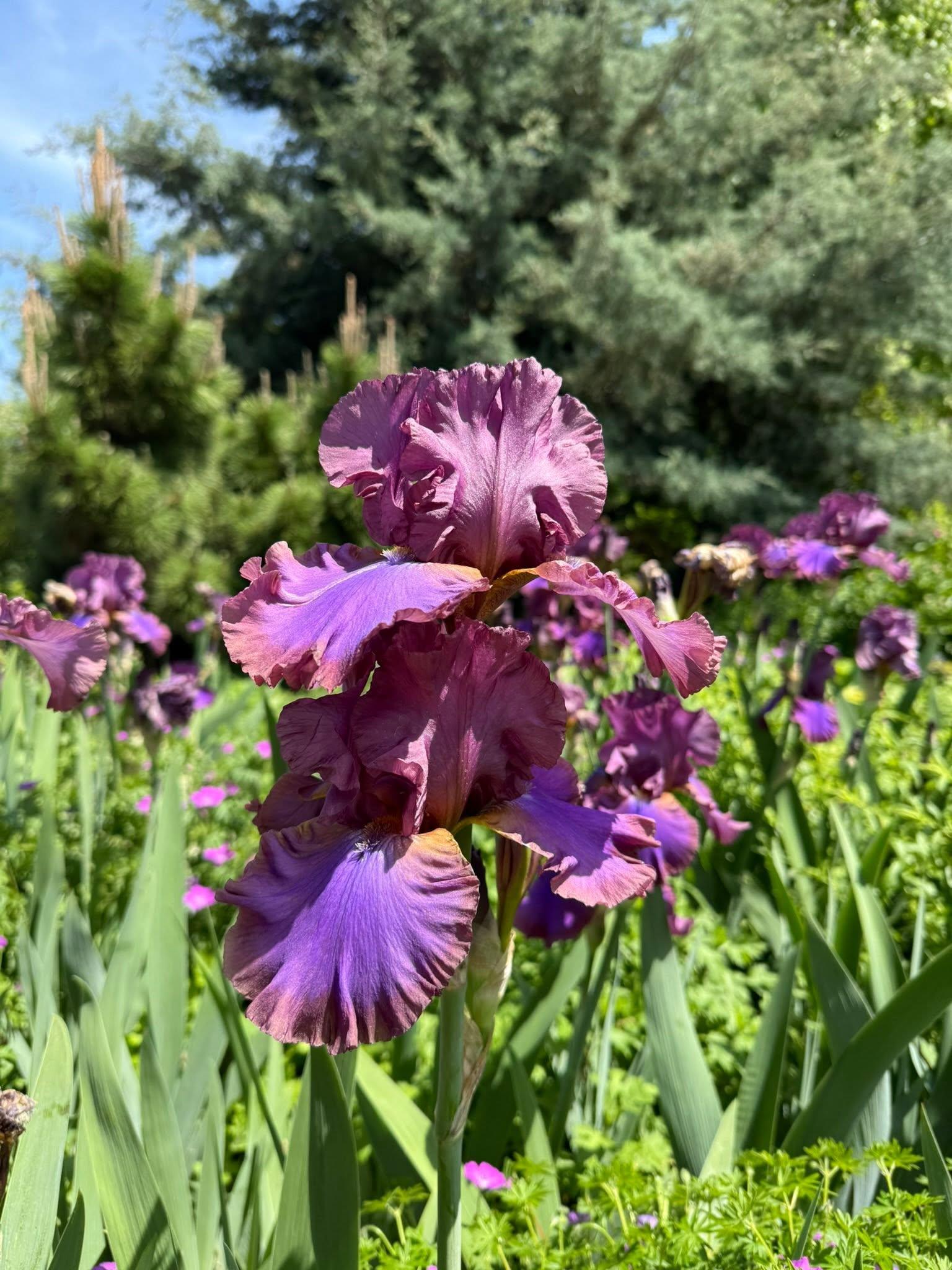
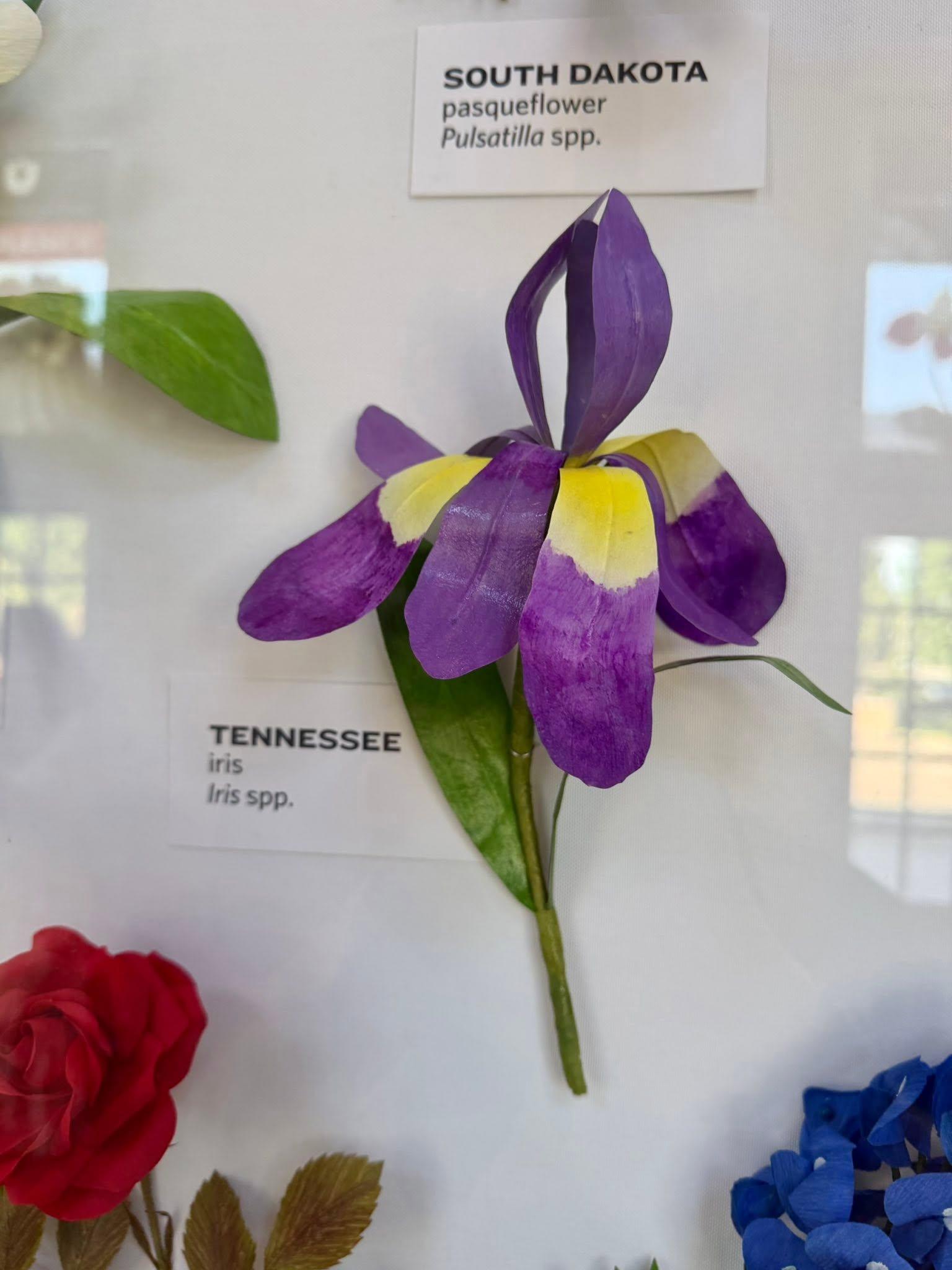
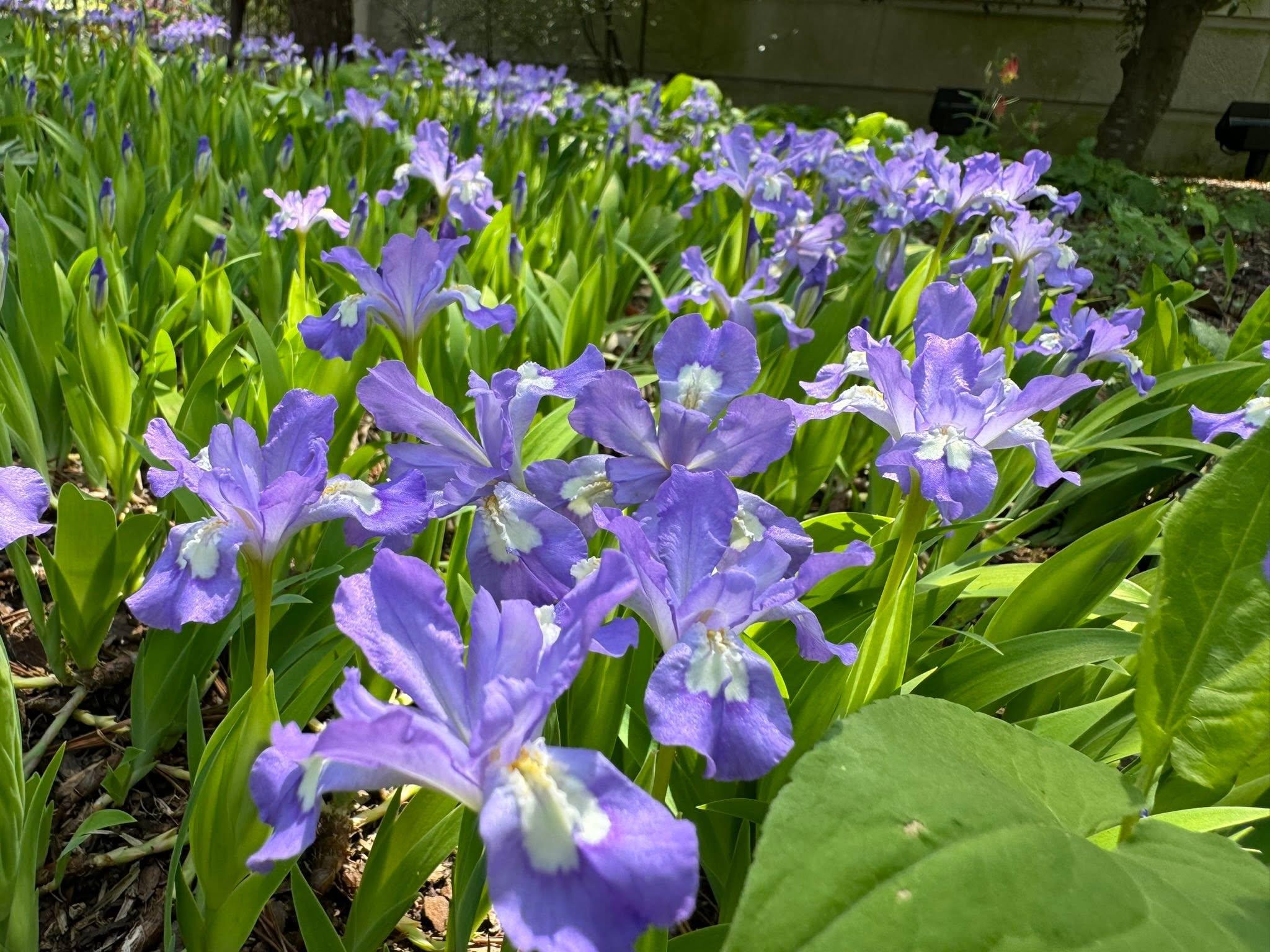
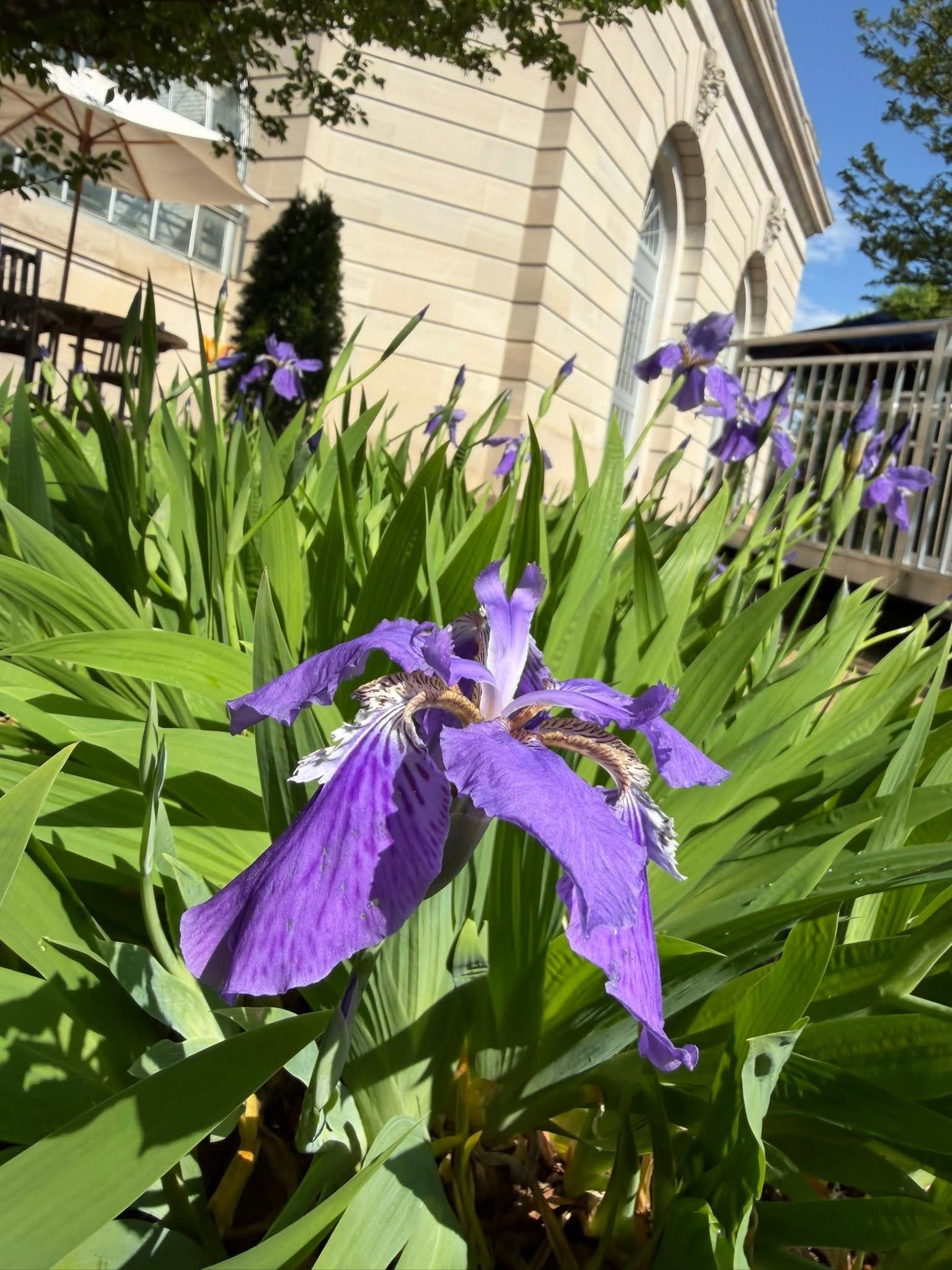
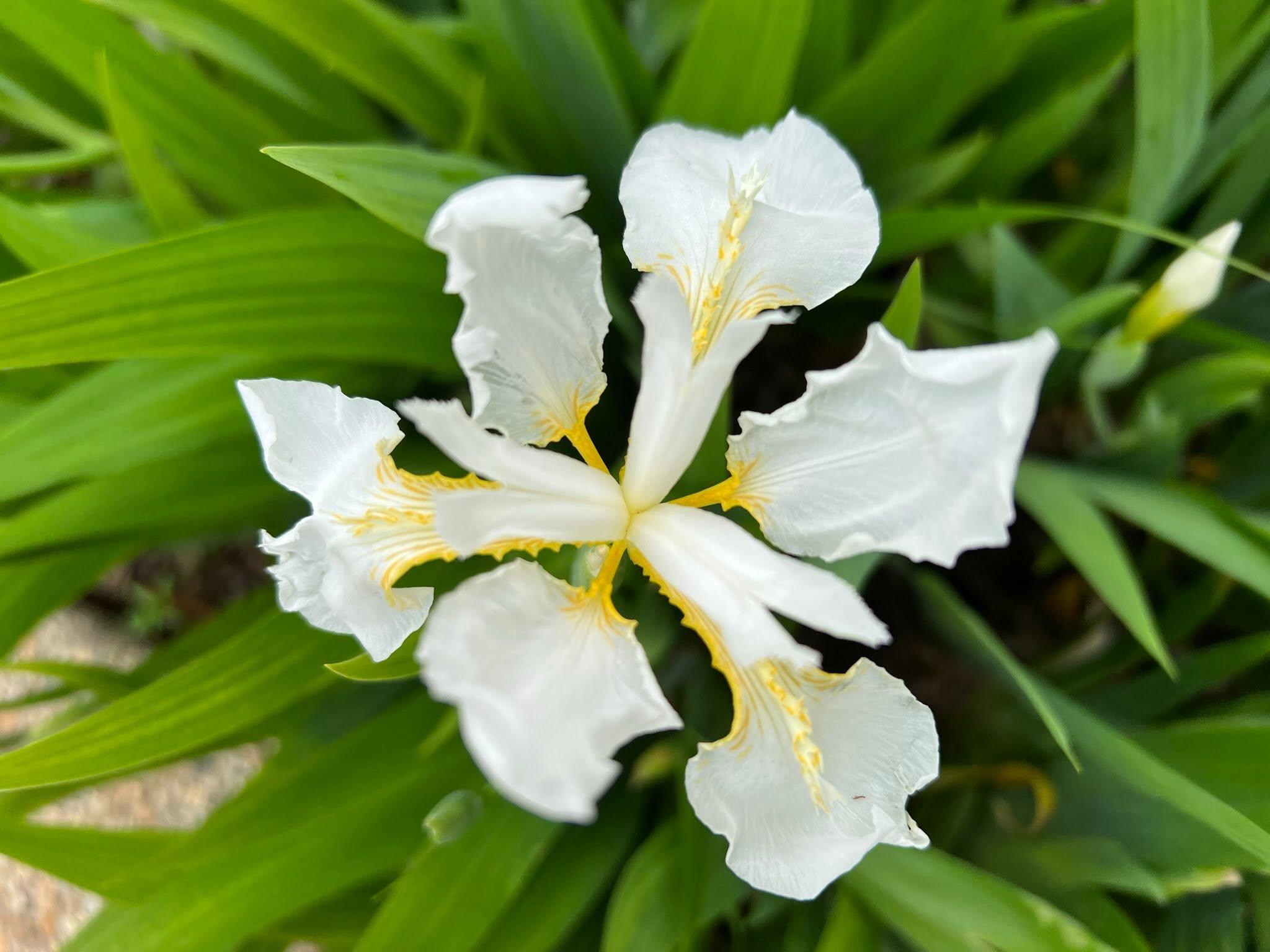
Iris (Iris spp.)

purple flower with blue sky

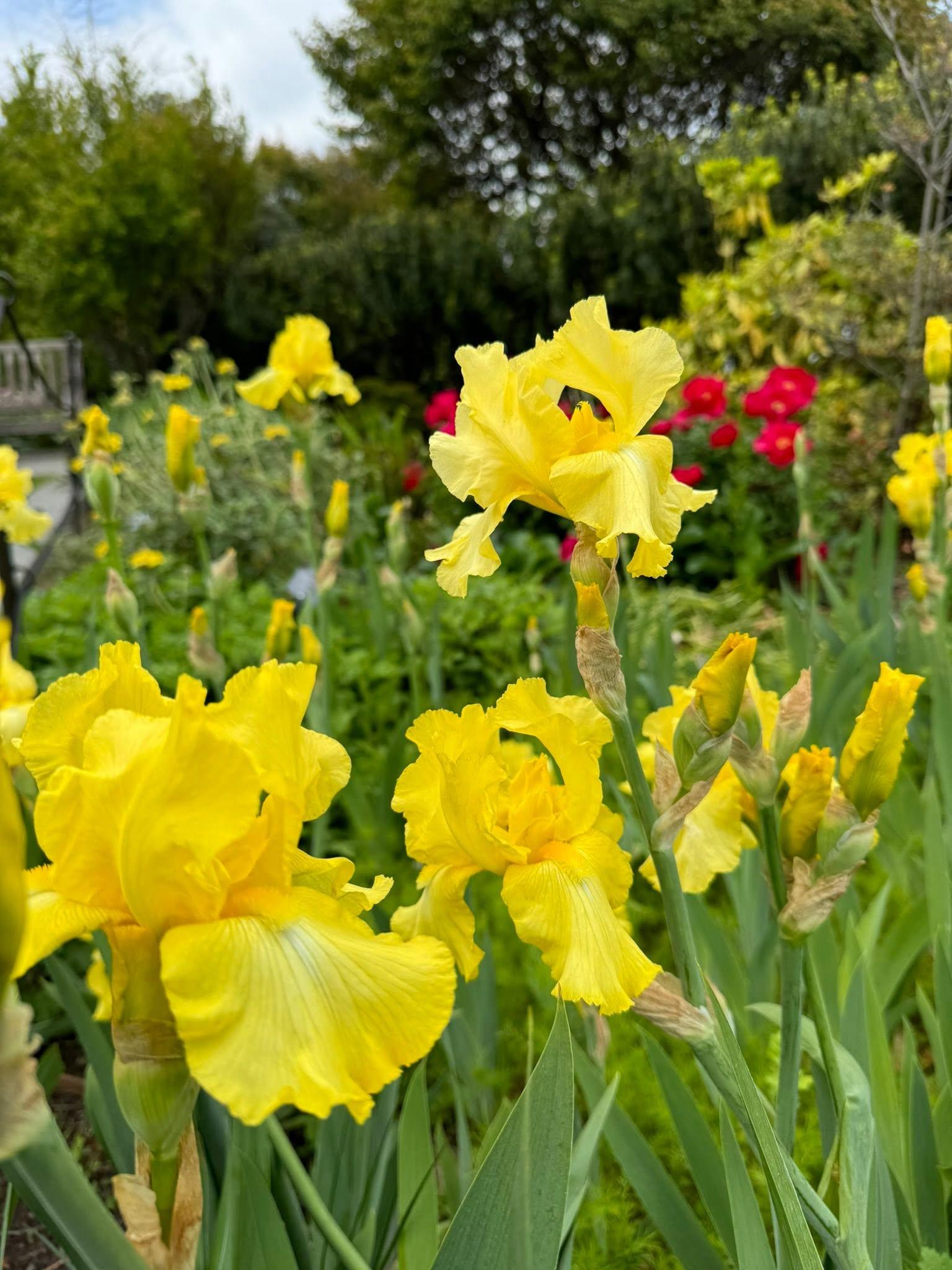
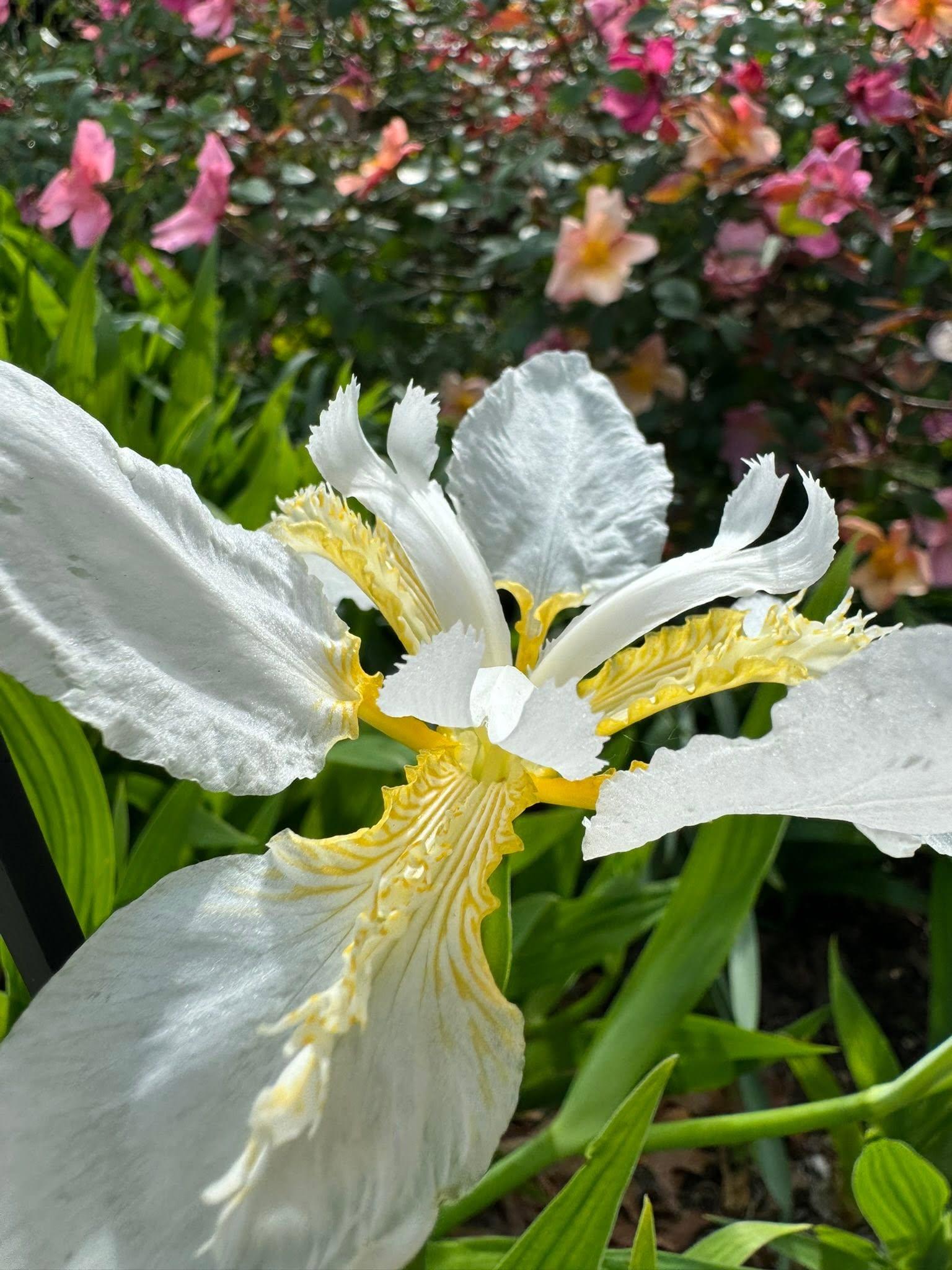
When naming a state flower, Tennessee did not choose a specific species of iris. The blue flag iris is one of the showiest native species — its scientific name, Iris versicolor, means "multicolored."

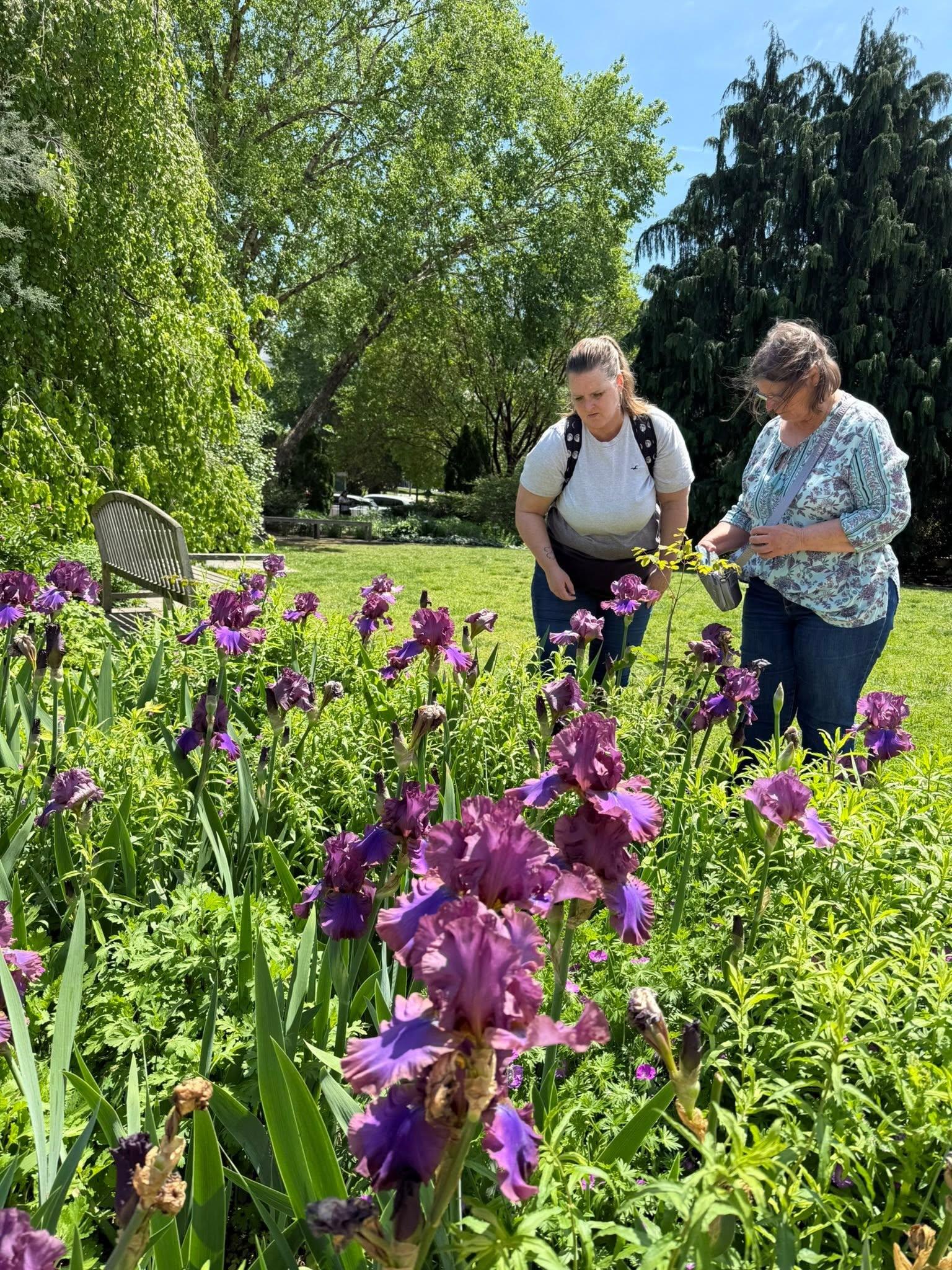
Find many different varieties and colors of irises throughout our outdoor gardens.

Bloom time: May-July

TEXAS

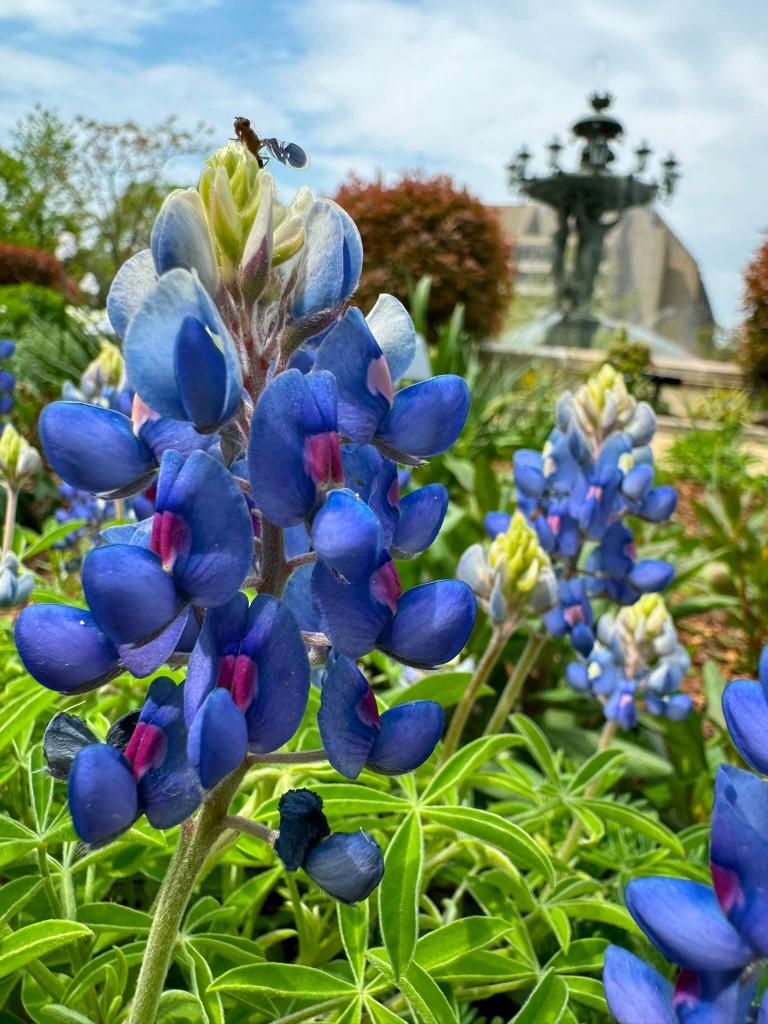
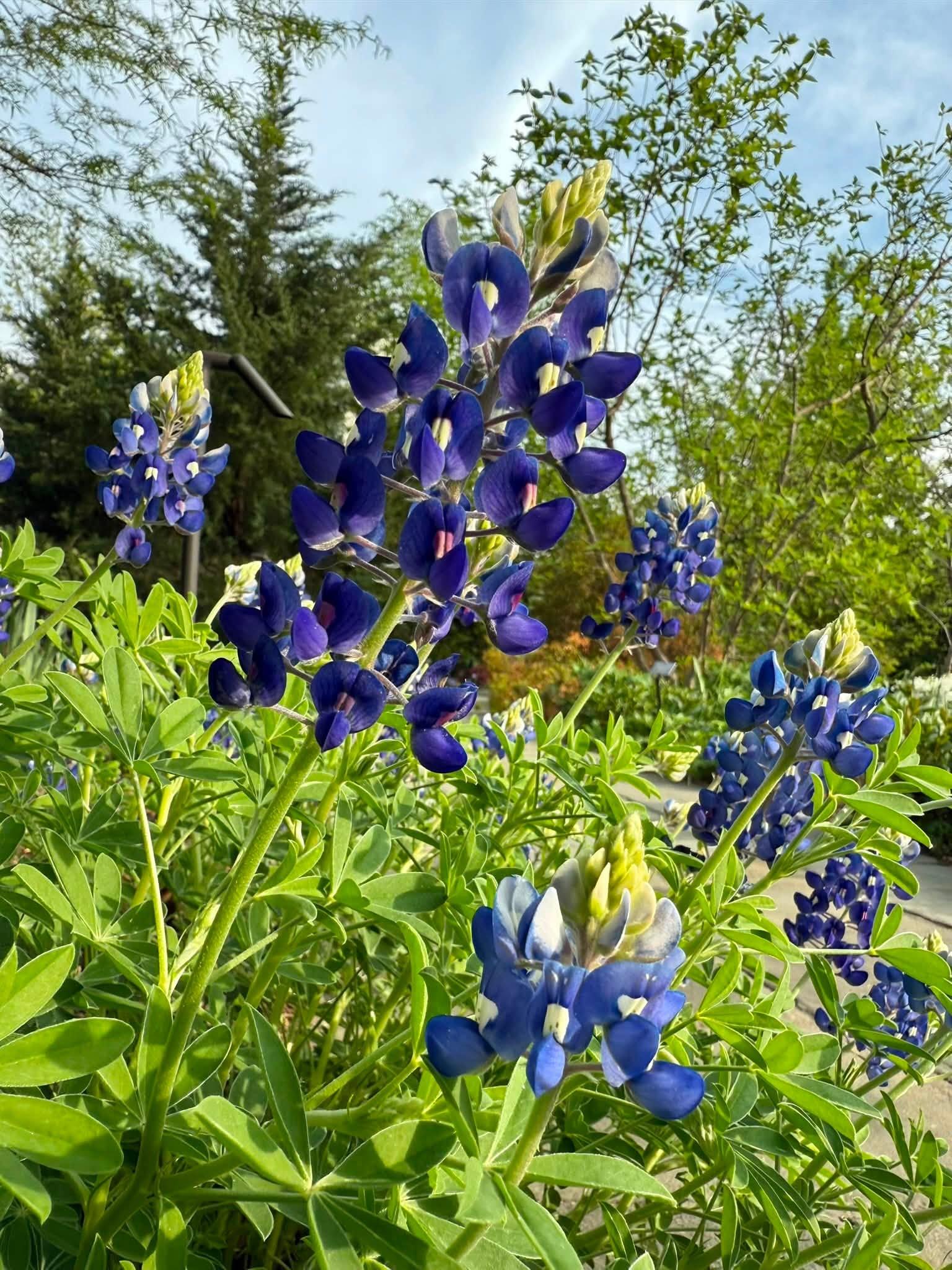
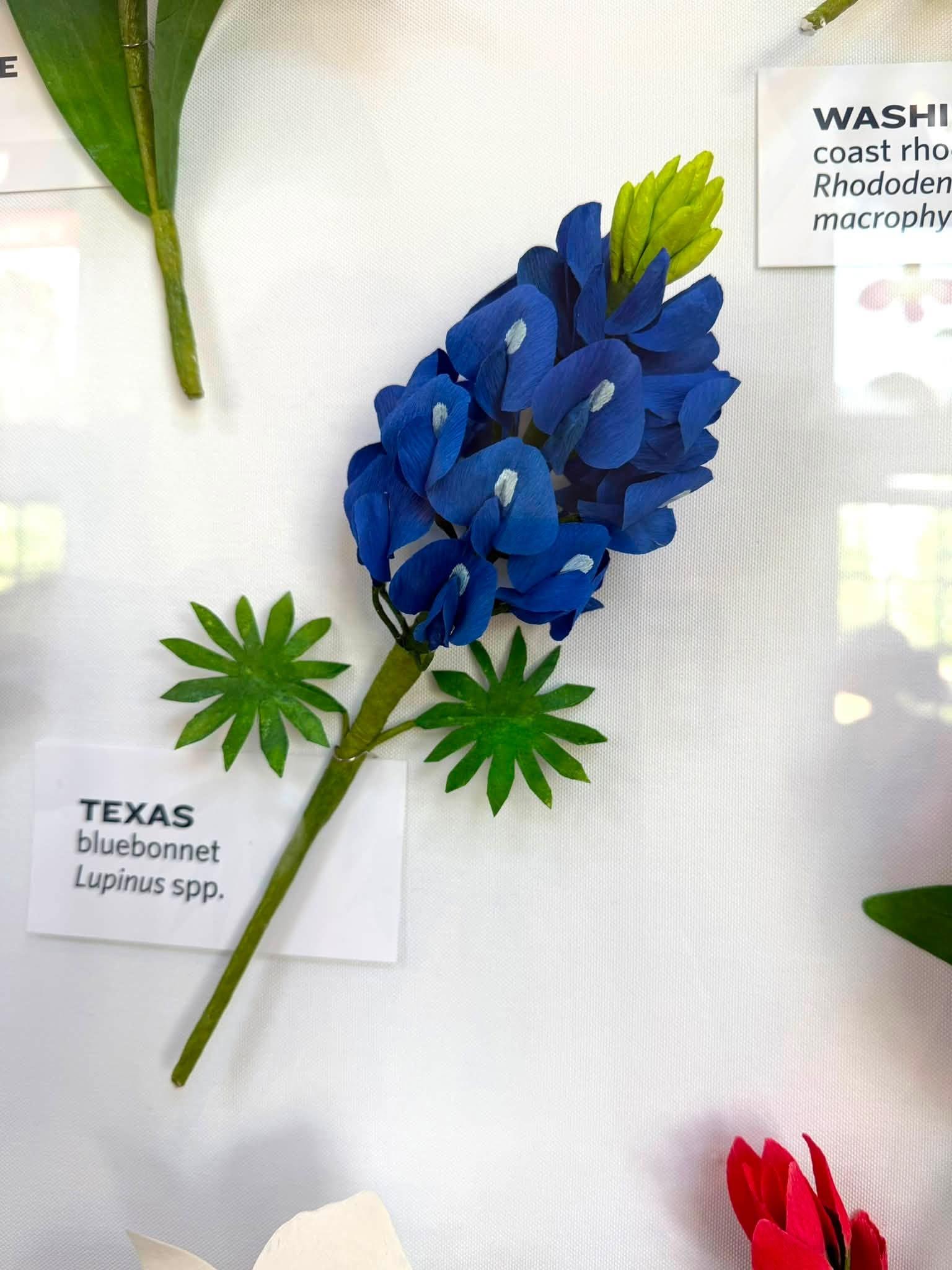
Bluebonnet (Lupinus spp.)

blue flowers with fountain in background

An iconic member of the pea family (Fabaceae) that flourishes in the state’s alkaline soil, bluebonnets can grow in dense clusters and are often planted to beautify Texas roadsides and highway medians. All species of bluebonnets growing in Texas (currently at least six) are considered the state flower.

The "yellow rose of Texas," despite being a popular folk song, is not the state flower and does not appear to have ever been up for consideration — and there are no yellow roses from Texas. The bluebonnet was competing against a prickly pear cactus flower and cotton when it was named in 1901.

Bloom time: May-July


This is part seven of an eight-article blog series. Keep checking usbg.gov/blog to explore the rest of this series, and stop by the Garden to see the exhibit in person before it closes October 12, 2026!