In celebration of America's 250th anniversary, the U.S. Botanic Garden is showcasing the flowers each U.S. state and territory has chosen as their official flower. The April-October 2026 exhibit shares their sights and stories with living plants, artistic displays, botanical illustrations, and herbarium specimens.

From fragrant magnolia flowers and roses to native orchids, bluebonnets, and saguaro cactus flowers, enjoy the variety as we feature the floral beauty that symbolizes America.

See the full list on our America's State Flowers webpage, and continue reading to learn more as we showcase each official flower.

Maine | Maryland | Massachusetts | Minnesota | Missouri | Montana | Nevada
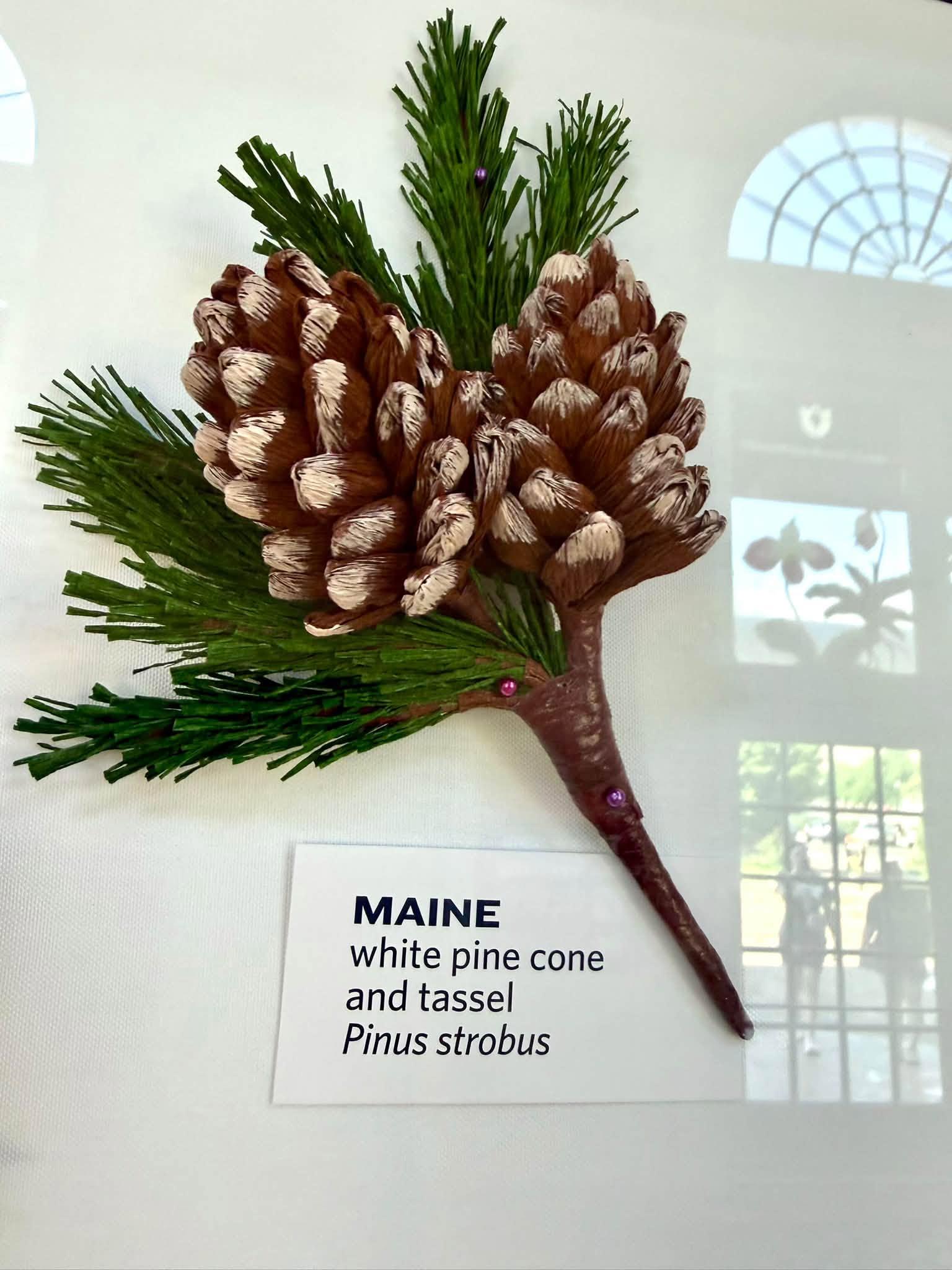
MAINE

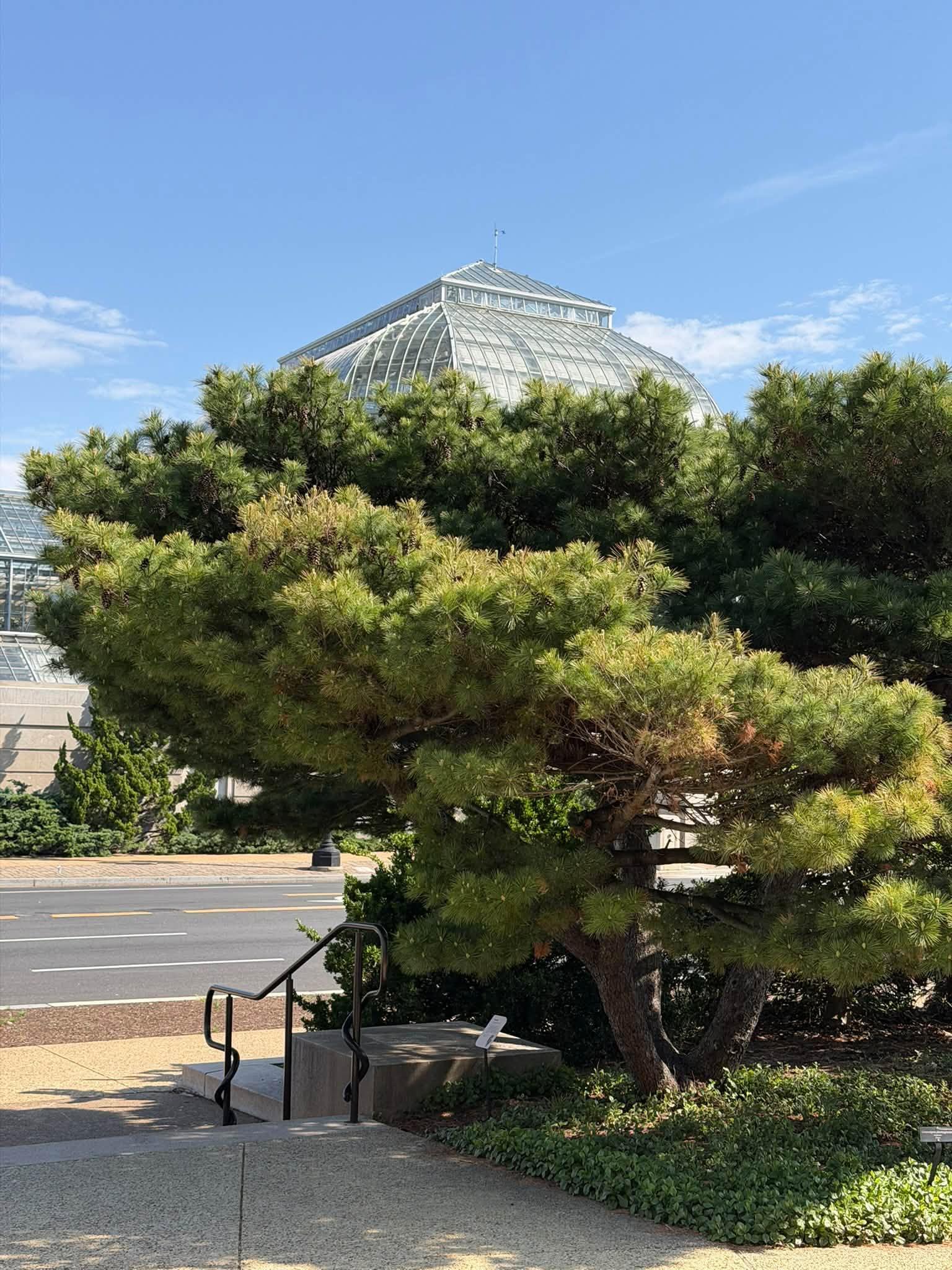
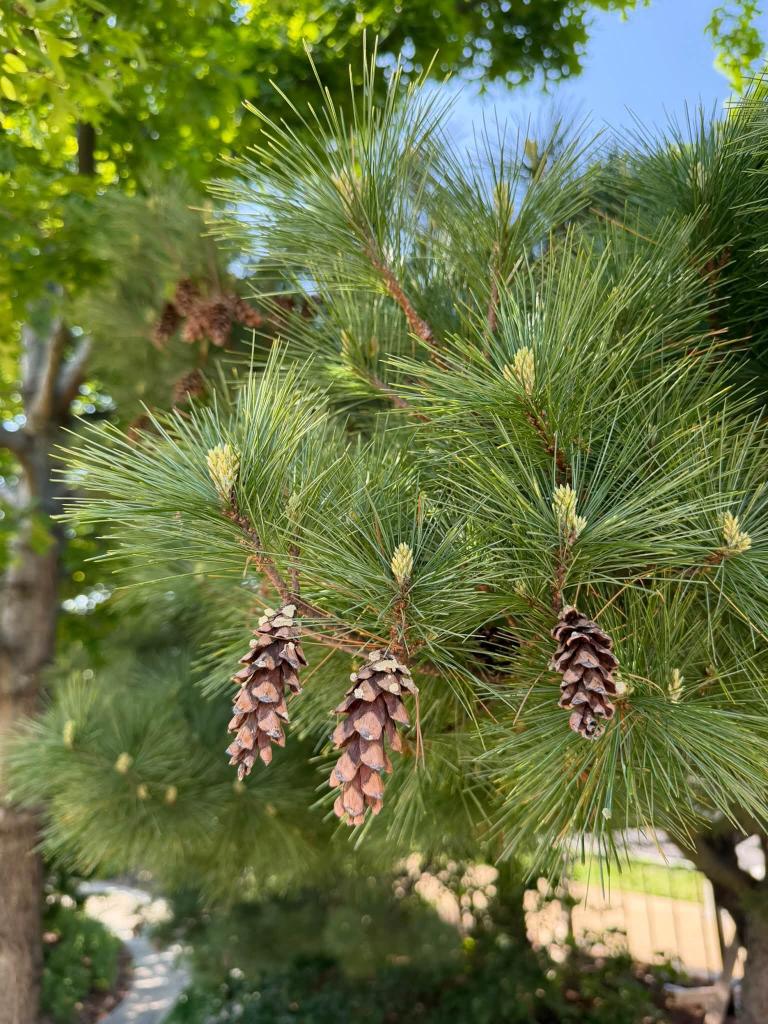
White pine cone and tassel (Pinus strobus)

close up of tree

With large pine forests and historically strong paper and shipbuilding industries, Maine selected the pine as its state tree in 1945 — and chose the pine cone and tassel over two flowers for its "floral emblem" in 1895. It wasn't the only contender. 
Ballots in Maine newspapers listed the goldenrod and the apple blossom as two other options. The white pine cone and tassel received 60% of the votes to be the "state flower," despite the cone and tassel not being a flower. The white pine is the largest conifer in the northern U.S., and as a gymnosperm, produces seeds without flowers.

Cone production: Year-round

MARYLAND

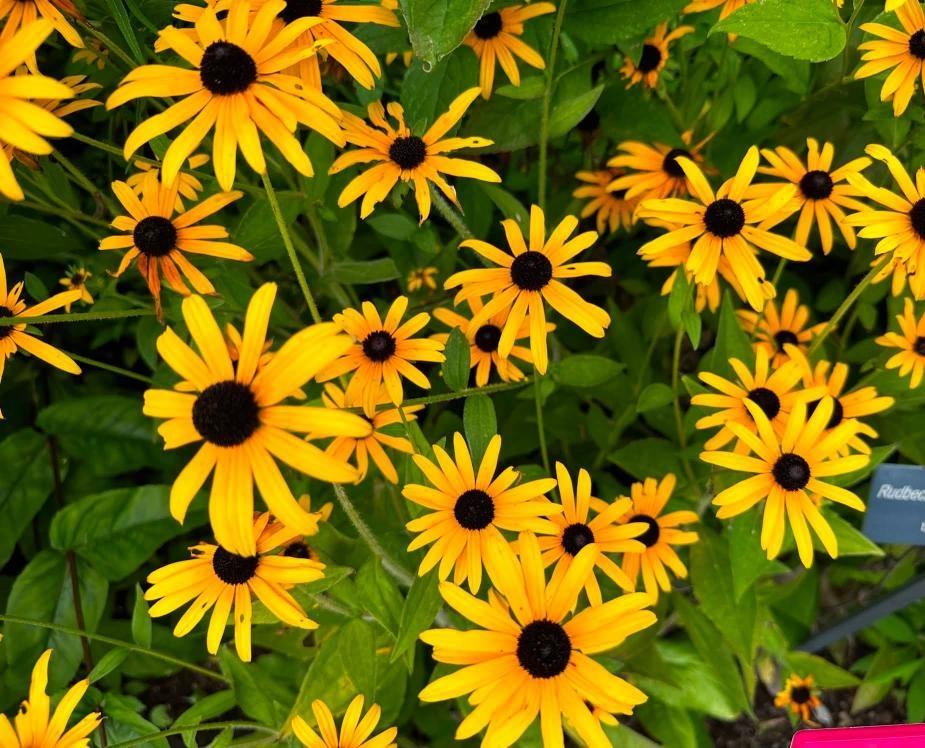
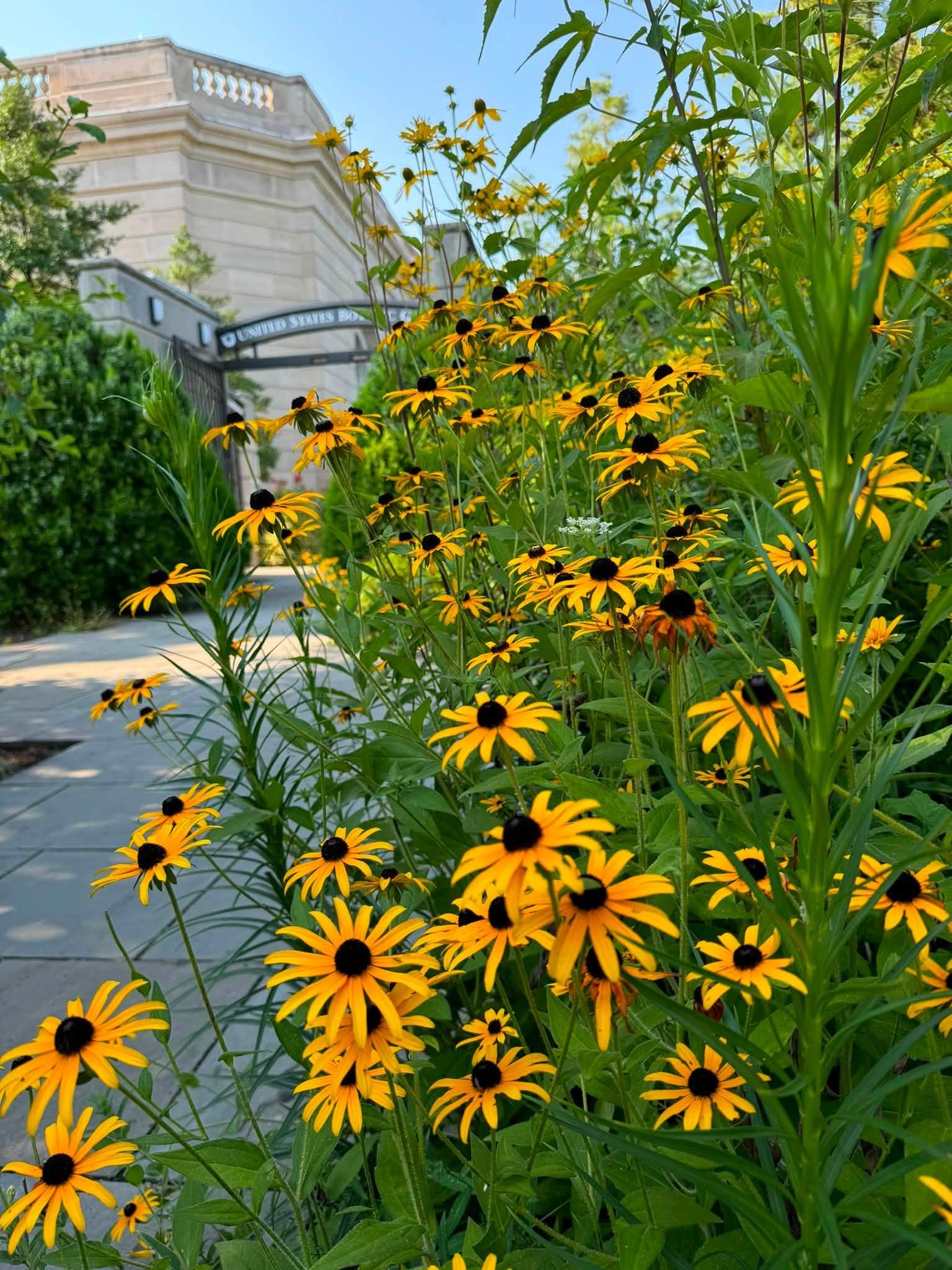
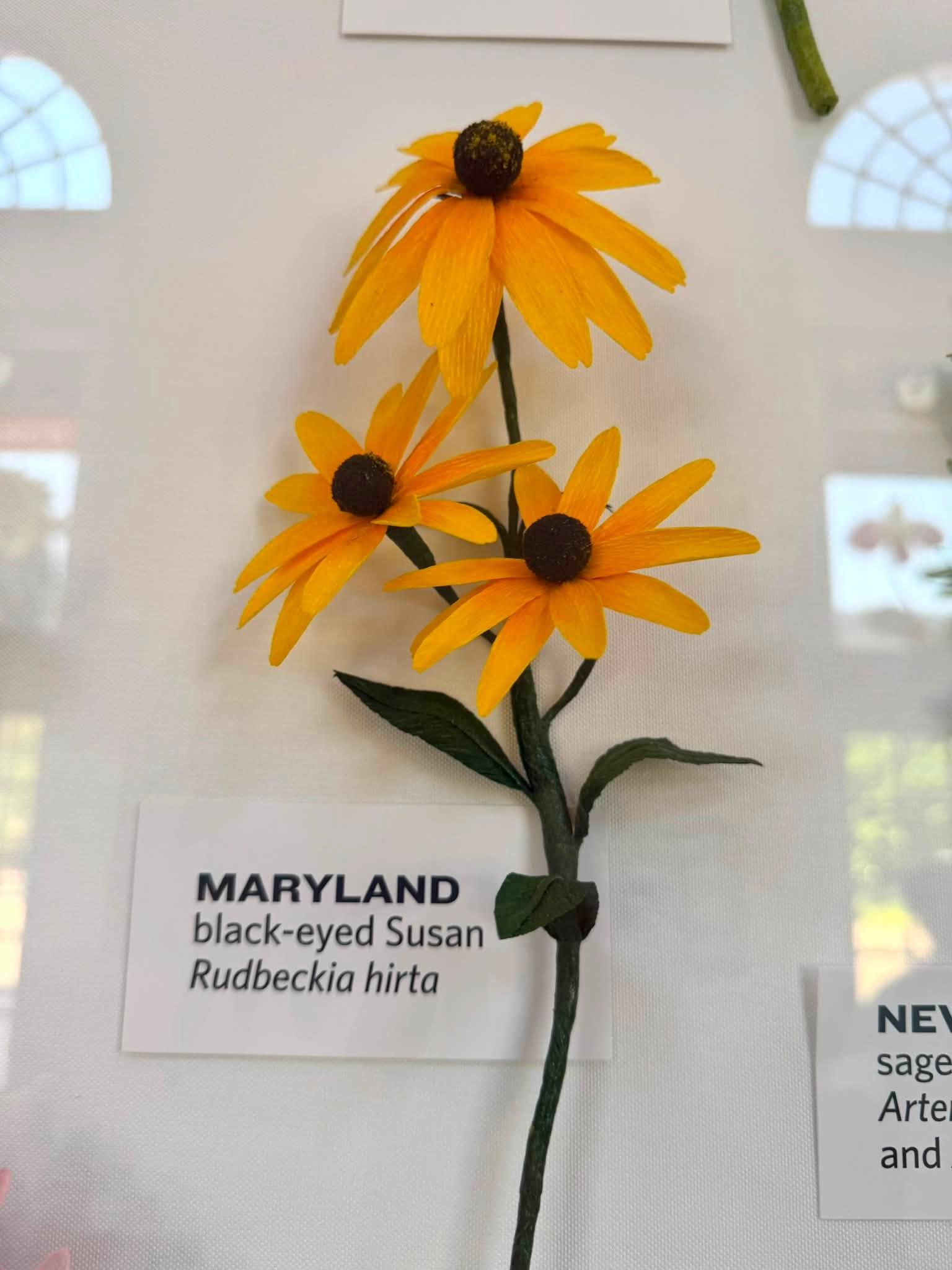
Black-eyed Susan (Rudbeckia hirta)

many yellow flowers with dark black-brown centers


These black-and-yellow flowers share colors with Maryland’s state flag. Growing along roads and in fields, they attract varied insect pollinators, and their seeds are enjoyed by many species of songbirds.

Find black-eyed Susans growing throughout the USBG outdoor gardens!

Bloom time: June-October

MASSACHUSETTS

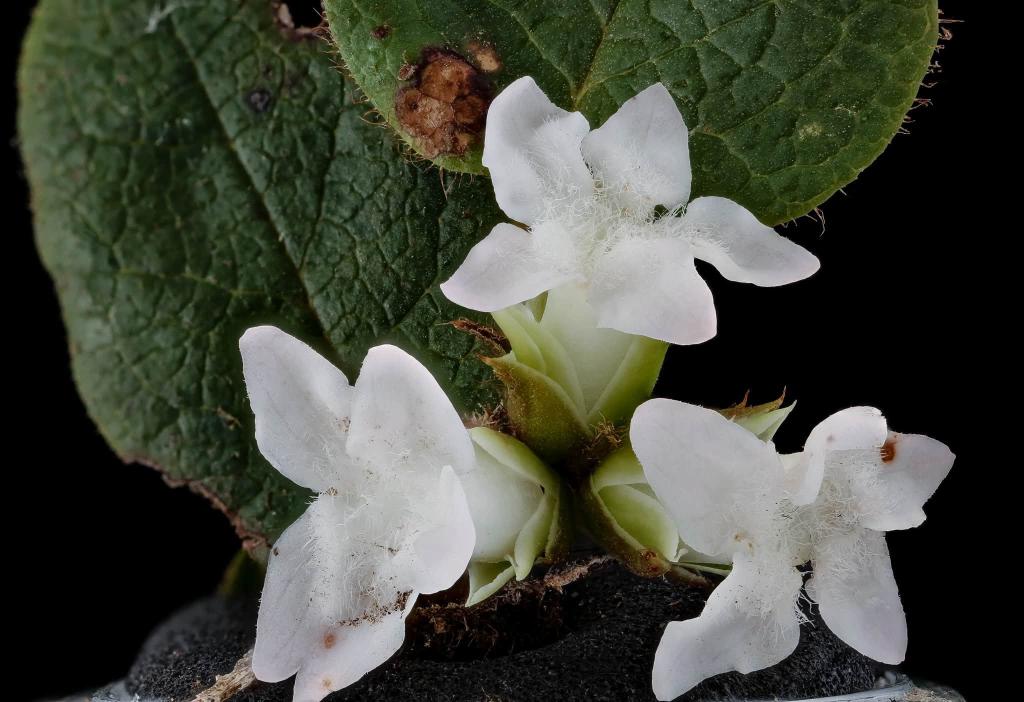
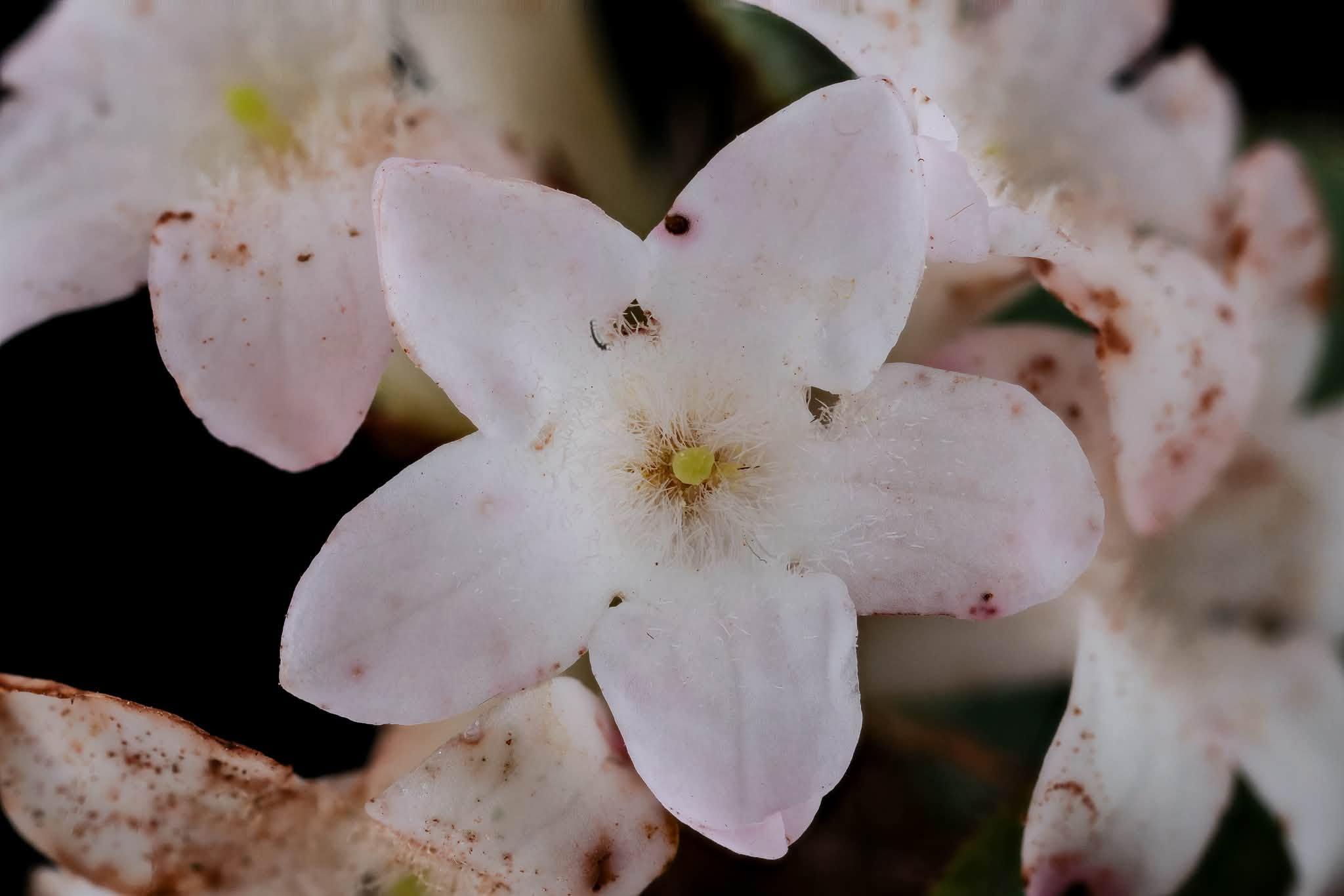
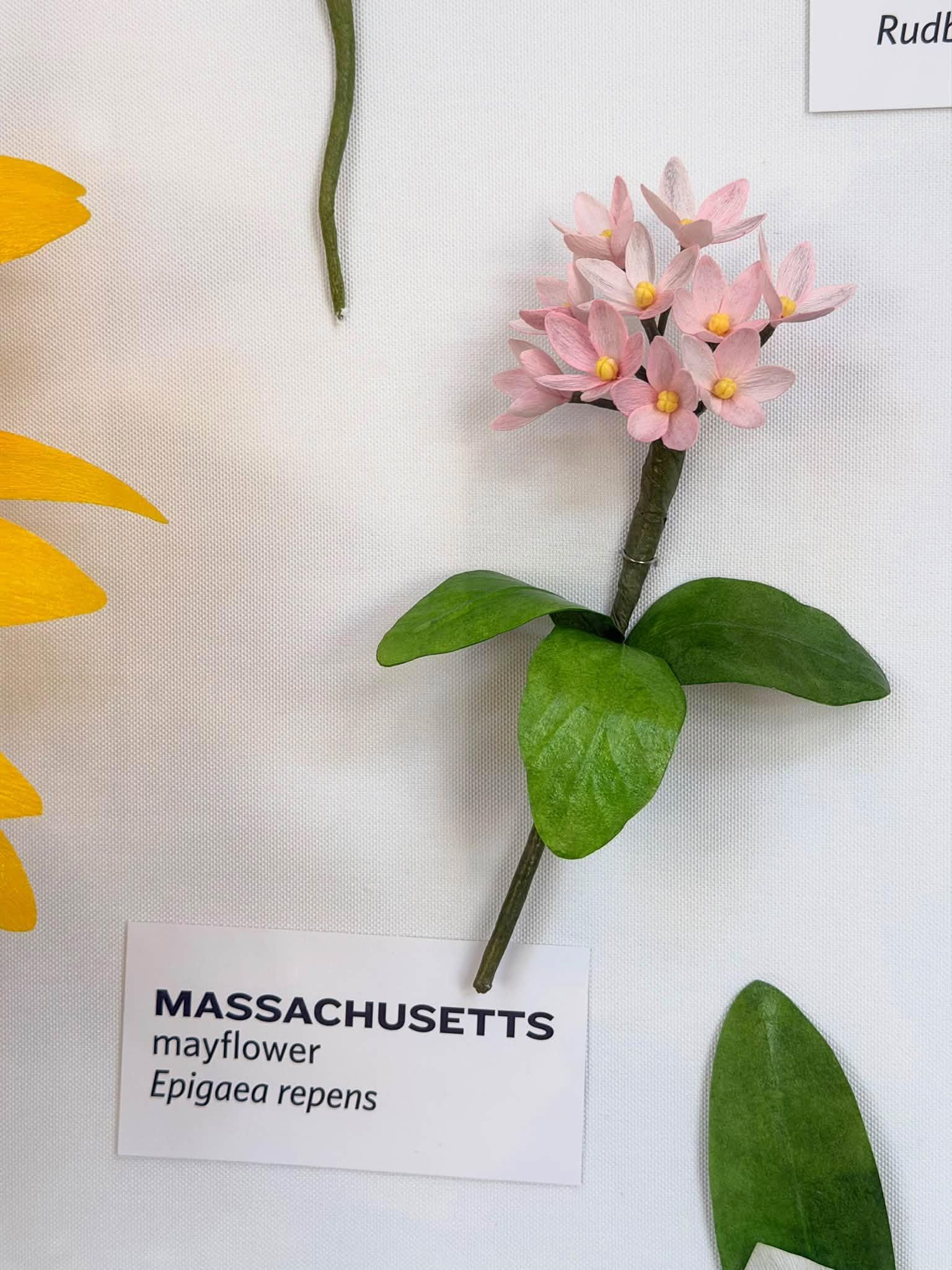
Mayflower (Epigaea repens)

white flowers

This plant's small, sweet-smelling flowers were so popular for wreath-making in the early 20th century that it became endangered. It is still illegal to harvest it from the wild.

Because of the over-harvesting, two legislative attempts in the early 1900s endeavored to make it the state flower, but both failed. Finally the school board let school children vote in 1918. The mayflower received twice as many votes as its competitor, the water lily.

[Photo above, and first photo below, by Helen Lowe Metzman.]

Bloom time: March-July

MINNESOTA

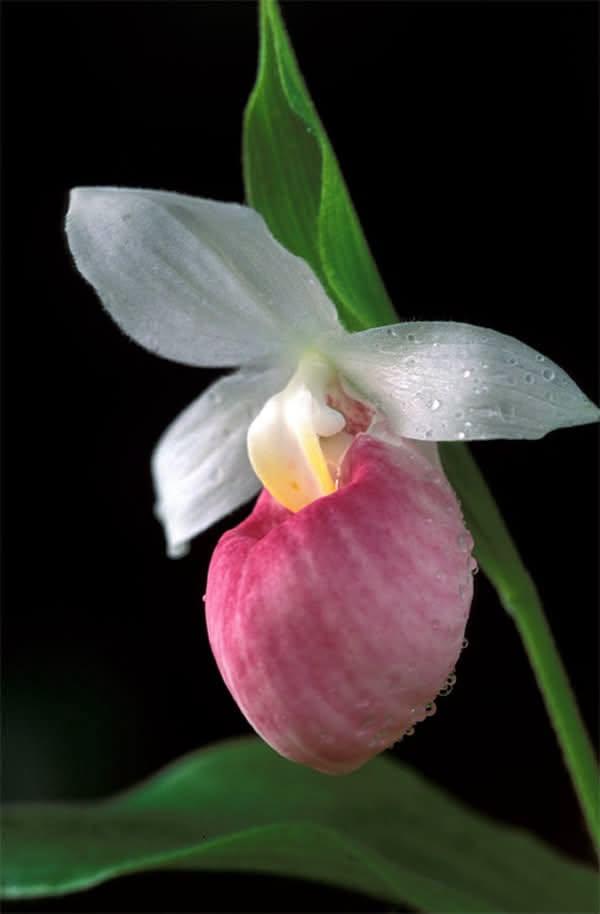
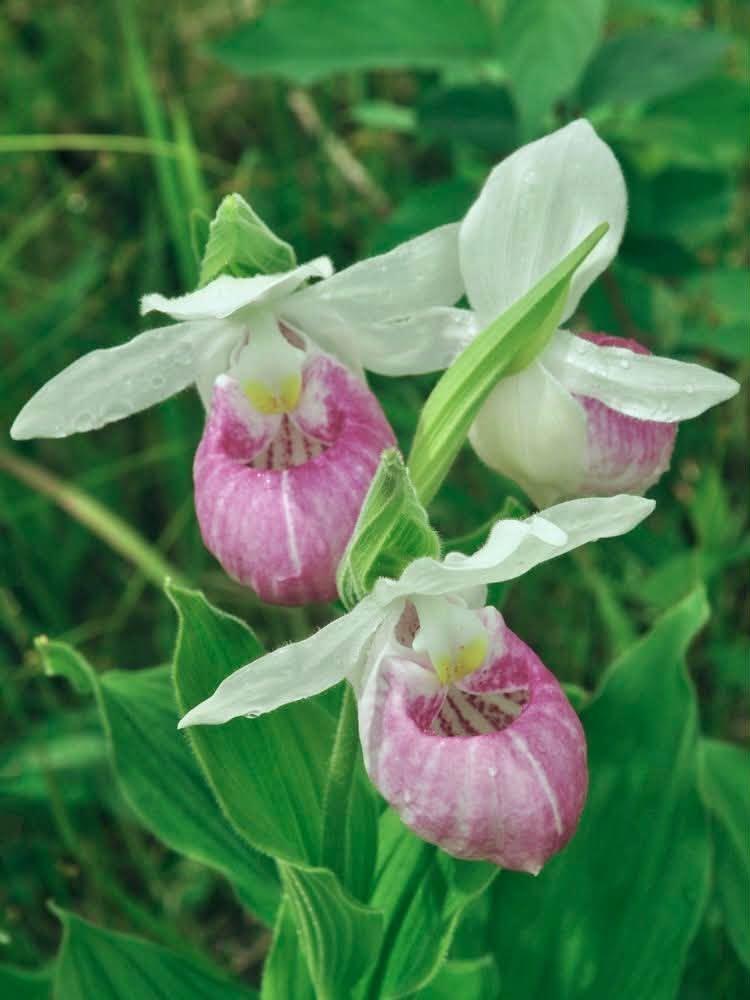
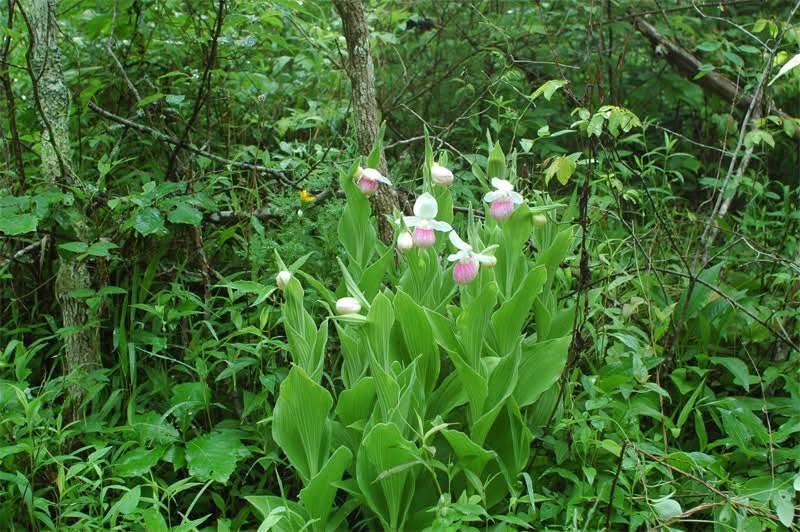
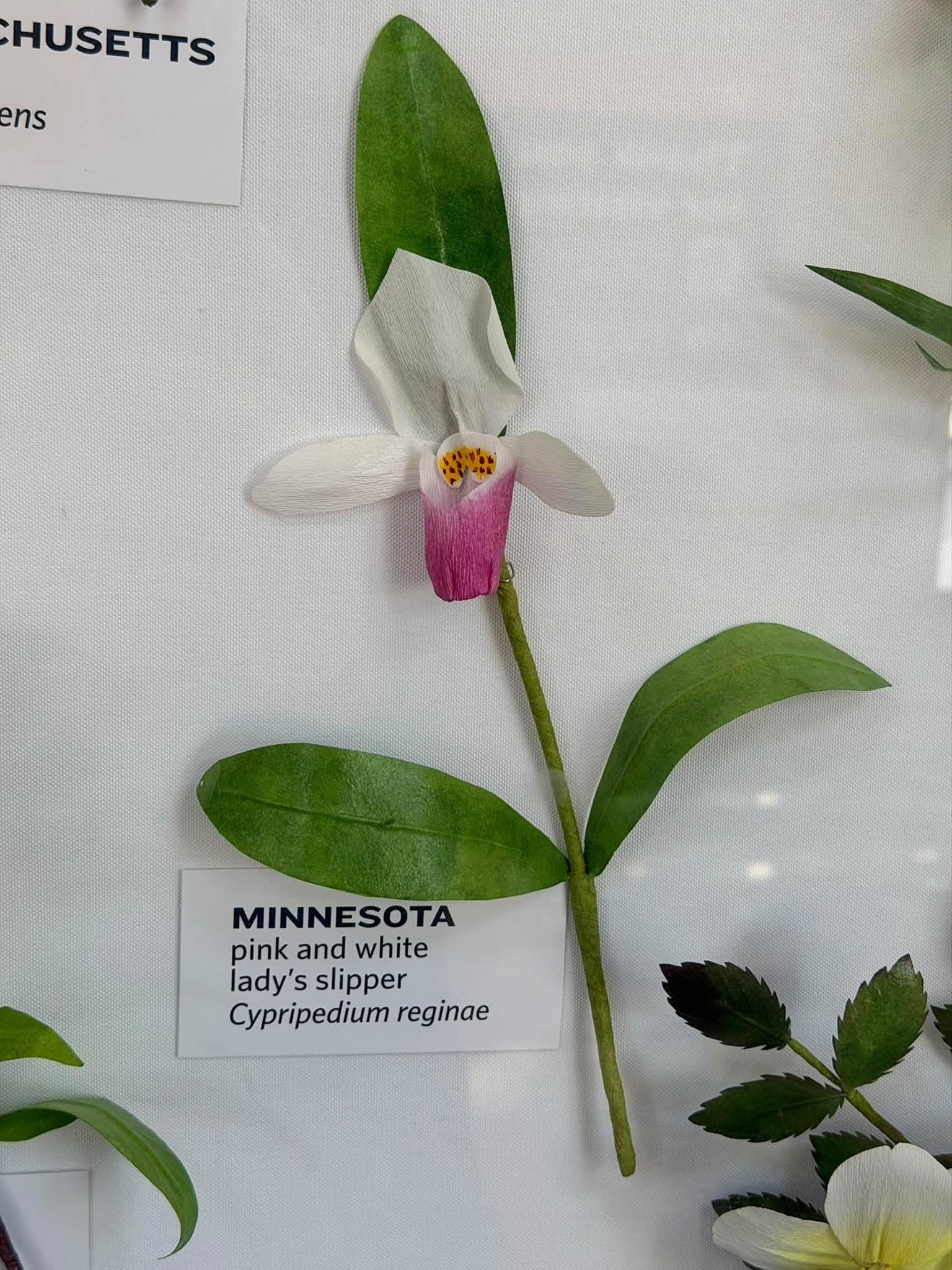
Pink and white lady's slipper orchid (Cypripedium reginae)

a single flower up close

The only orchid chosen as a state flower, this is one of the largest native orchids in the United States. The stems can grow 1-3 feet tall, and occasionally even up to 4 feet tall. In the US, it grows from Maine west to North Dakota, down to Arkansas and Alabama and over to North Carolina.

It can take up to 16 years before this orchid produces its first bloom. In optimum damp growing conditions, one plant can make more than 200 flowering stems. Due to habitat destruction and poaching, it is currently illegal to pick or uproot it under Minnesota state law.

[Photo above by Thomas G. Barnes]
[First photo below by Gary Van Velsir]
[Second photo below by Nevin Aspinwall, Saint Louis University]

Bloom time: May-July

MISSOURI

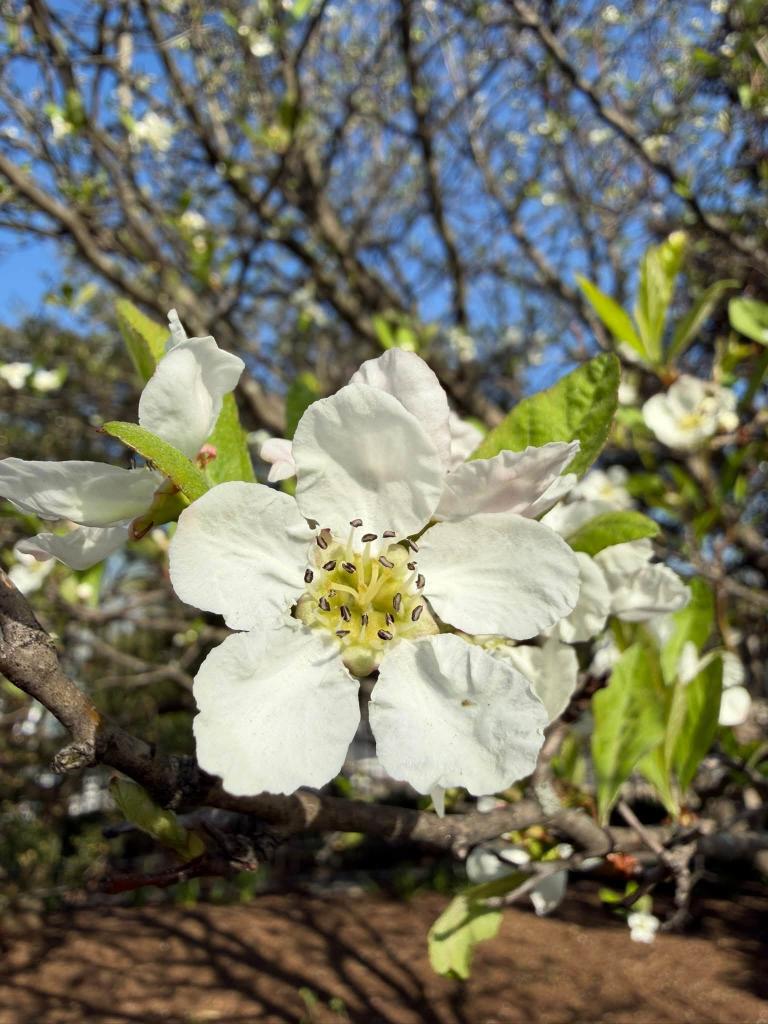
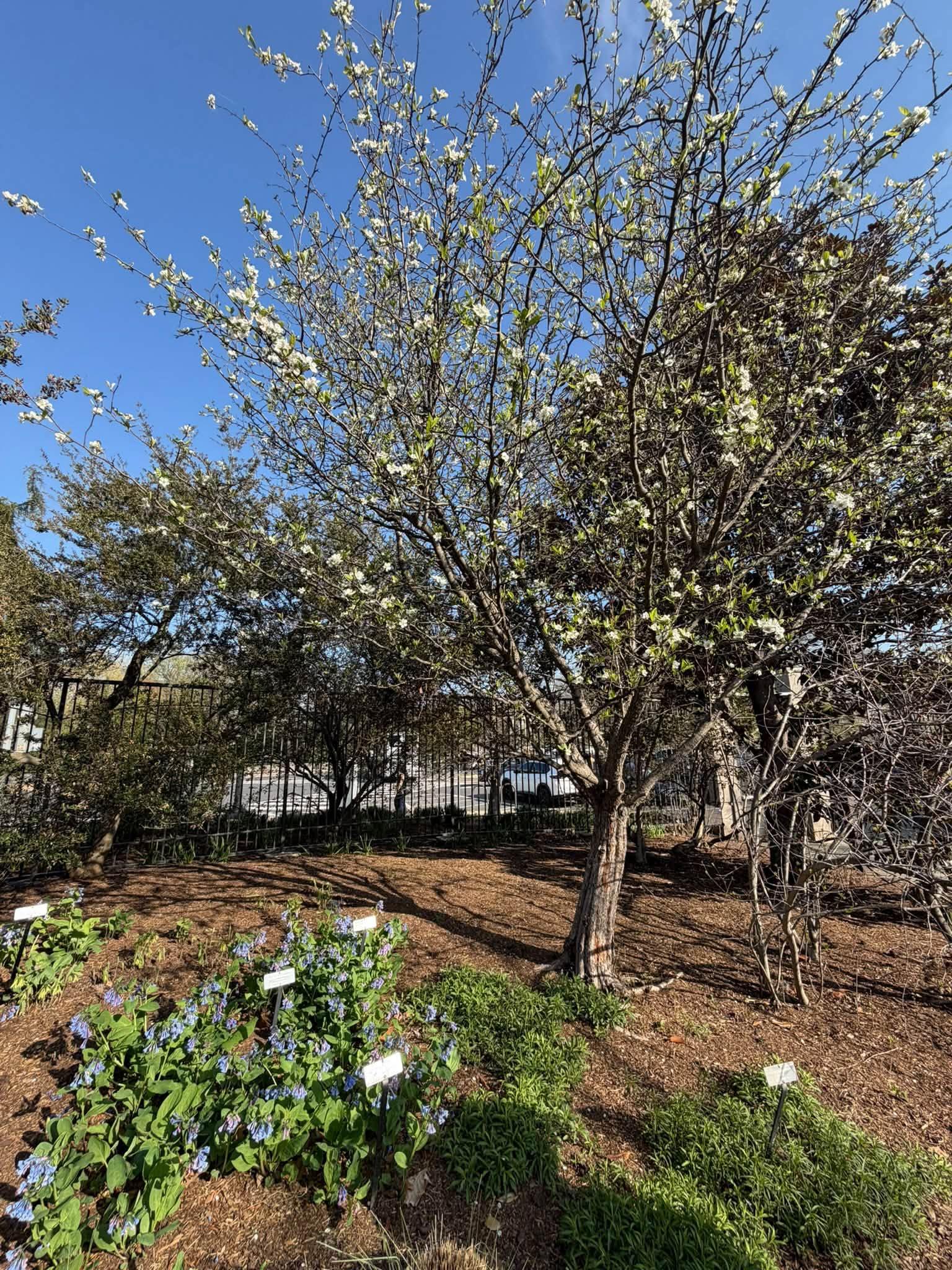
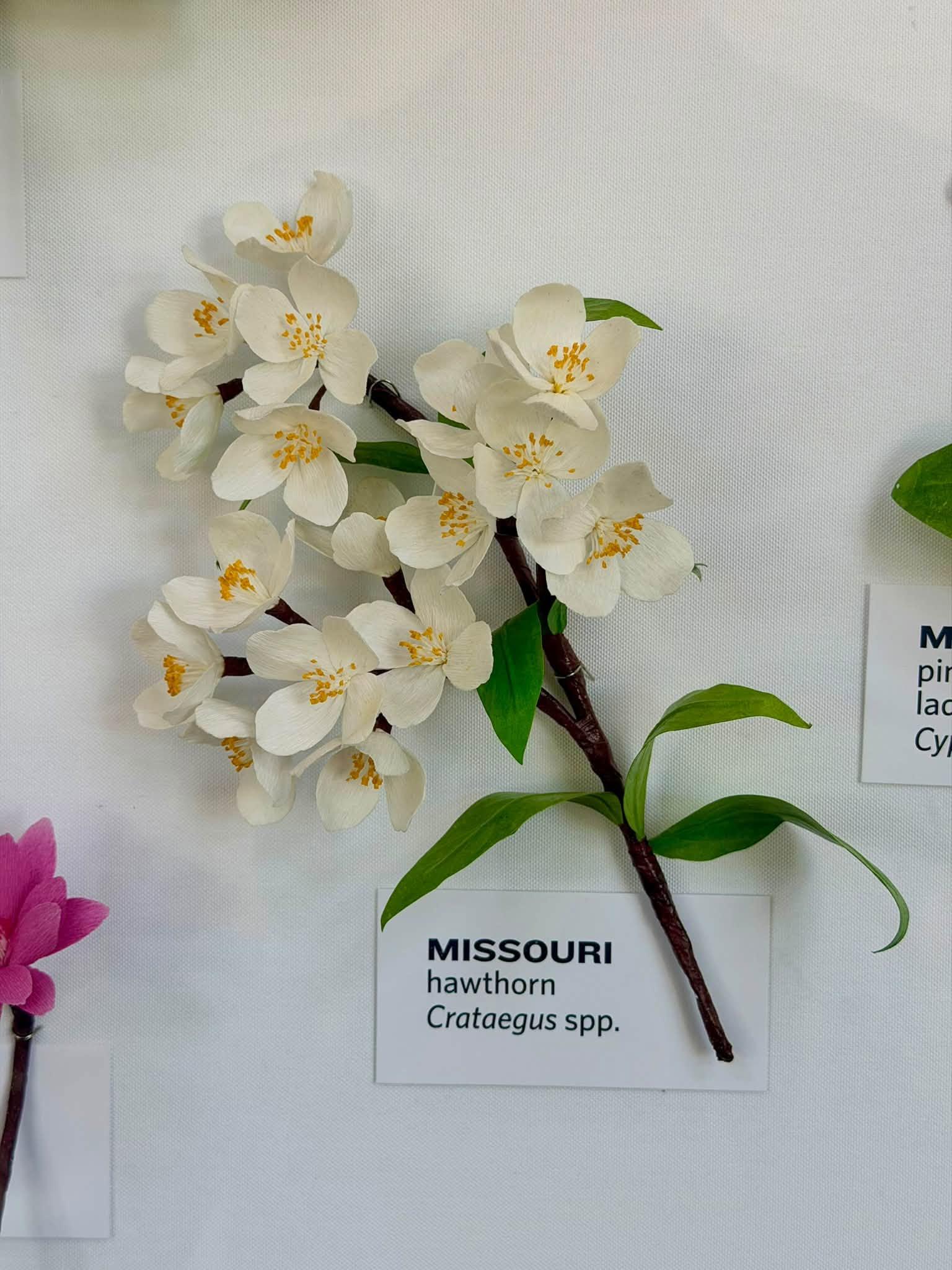
Hawthorn (Crataegus spp.)

white flower up close

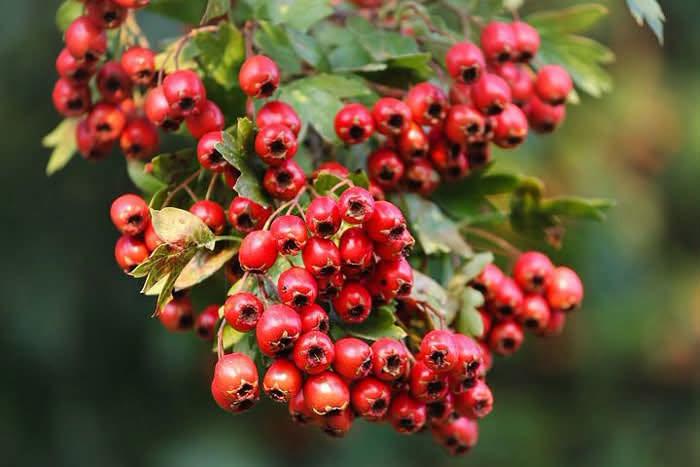
State legislators did not choose a specific species of hawthorn to represent the state, but all feature clusters of small, white flowers followed by red fruit that is an excellent source of winter food for birds.

These thorny shrubs or small trees are in the rose family, and are closely related to apples. The flowers resemble apple blossoms and feed spring pollinators. Small red fruit in autumn feed birds and wildlife and can persist into winter, providing vibrant color past fall foliage. There are about 75 species of hawthorns native to Missouri! Several species have been used for medicinal treatment of heart issues. 

[Hawthorn fruit photo below courtesy of David Trinklein, University of Missouri.]

Bloom time: Spring

MONTANA

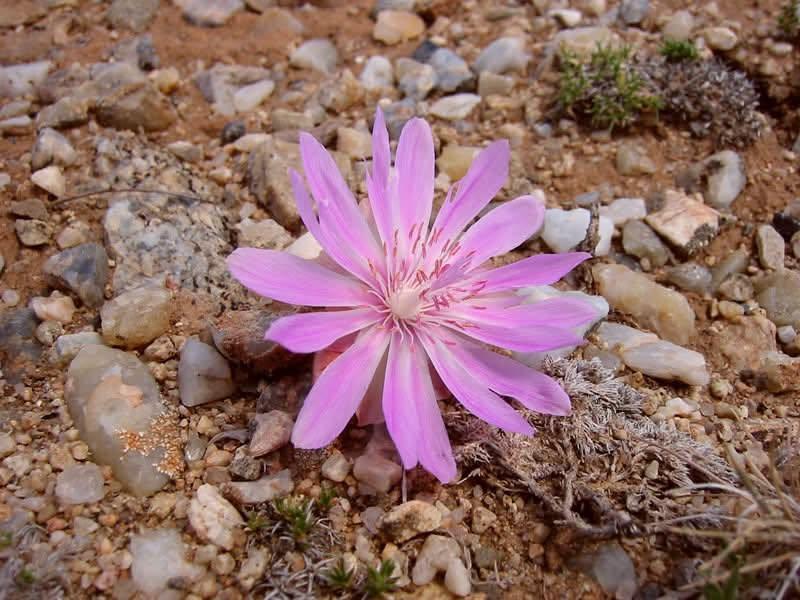
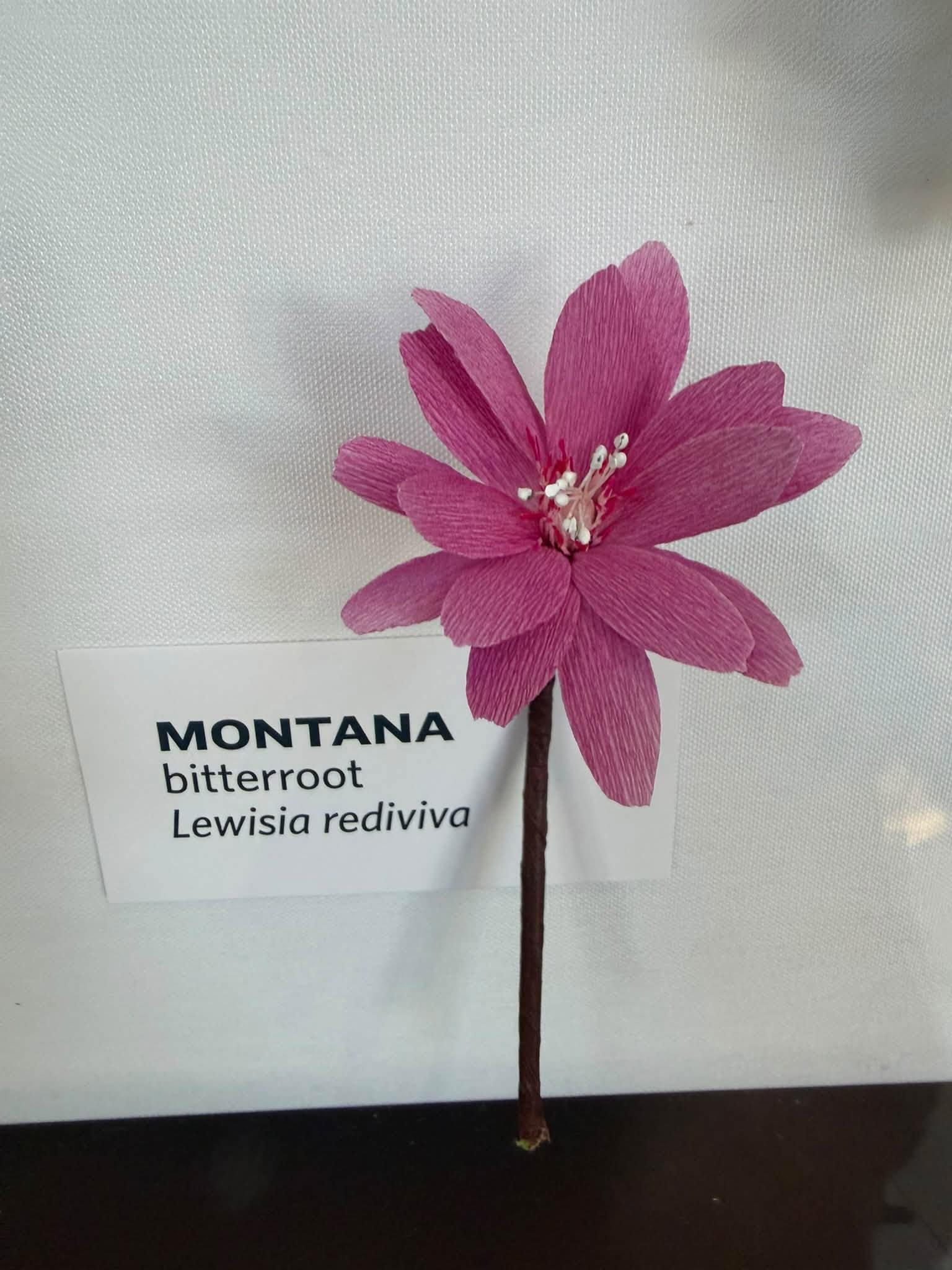
Bitterroot (Lewisia rediviva)

pink flower up close

Common in the western United States, this plant often grows in gravelly soil. It is significant to several Native American tribes, which dry the bitter-tasting root for use as food (often mixed with meat or berries) and trade.

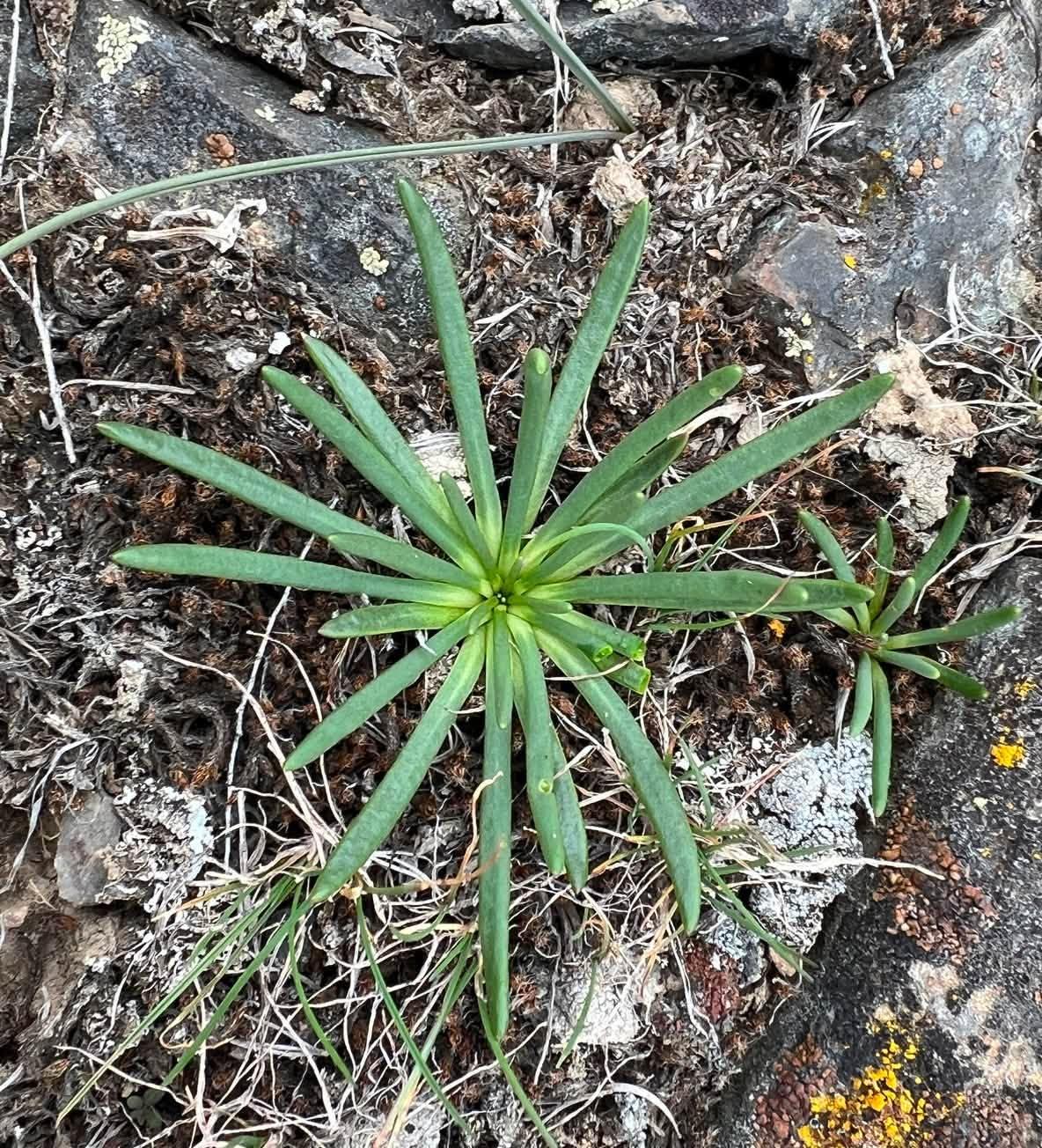
The flowers come up low above the gravely soil on short stalks that frequently have no leaves, as the long leaves appear early in spring and then wither. 

The "rediviva" refers to the plant's ability to "revive from a dry state" showcasing how a dried-whole plant can be stored for months and still grow again!

[Lewisia rediviva flower photo above by Andrew Kratz.]
[Leaf photo below by jhorthos.]

Bloom time: April-June

NEVADA

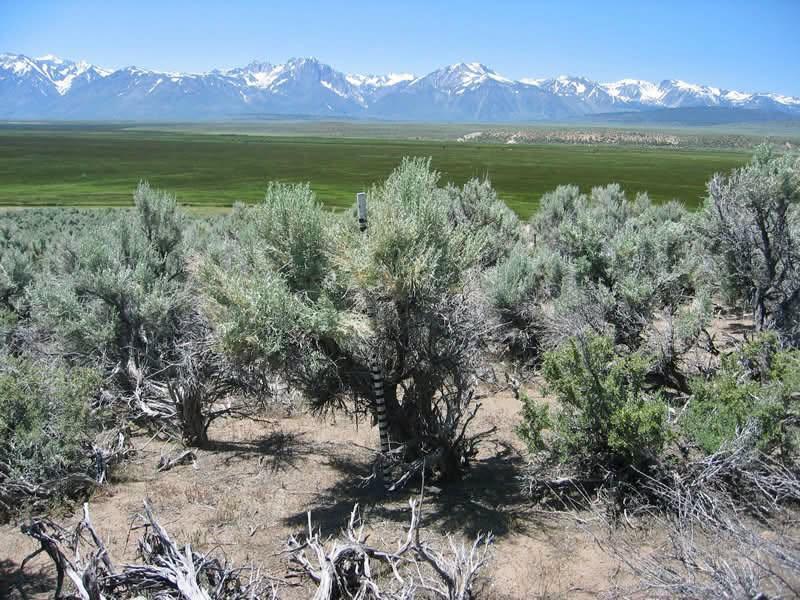
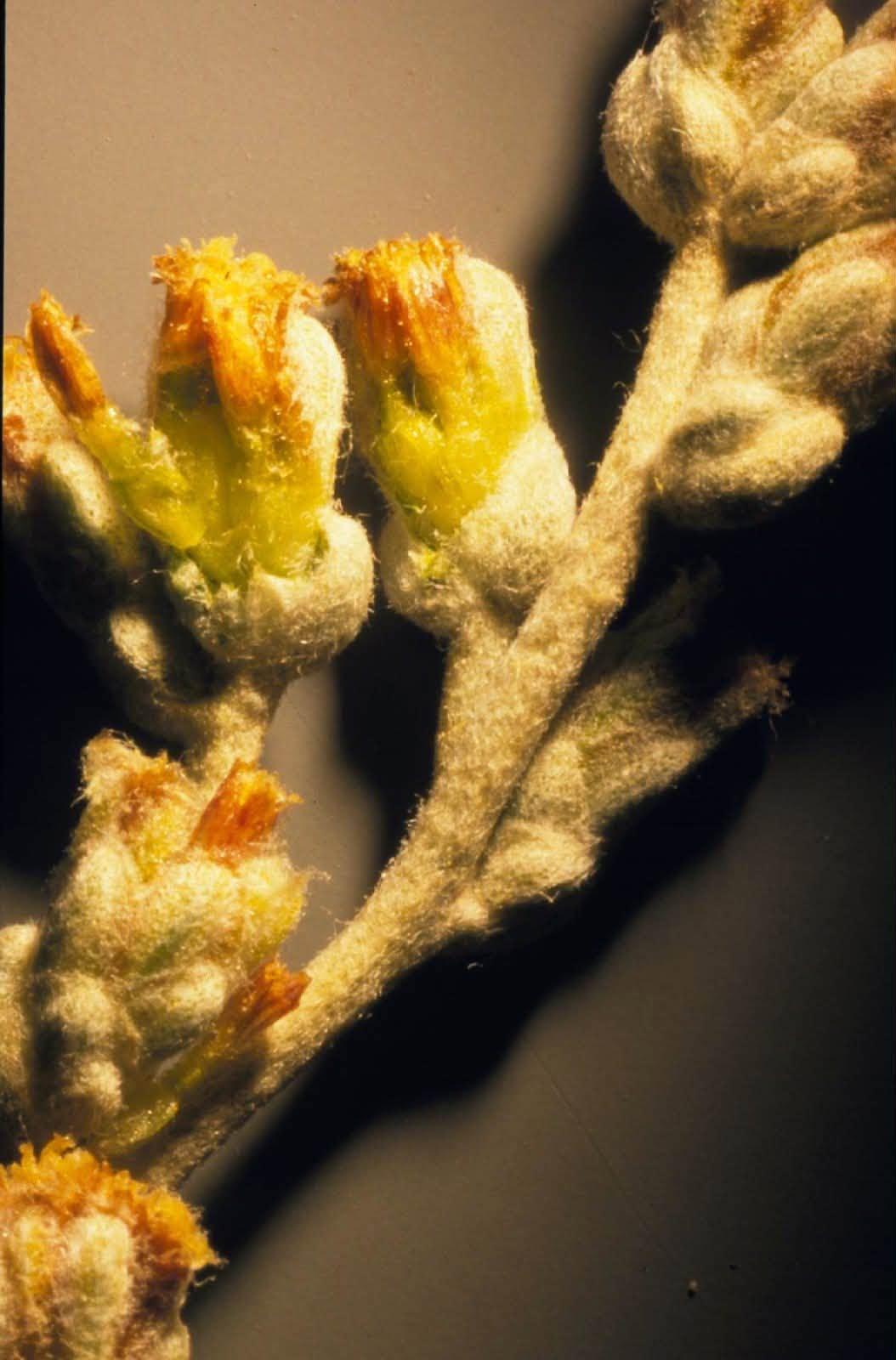
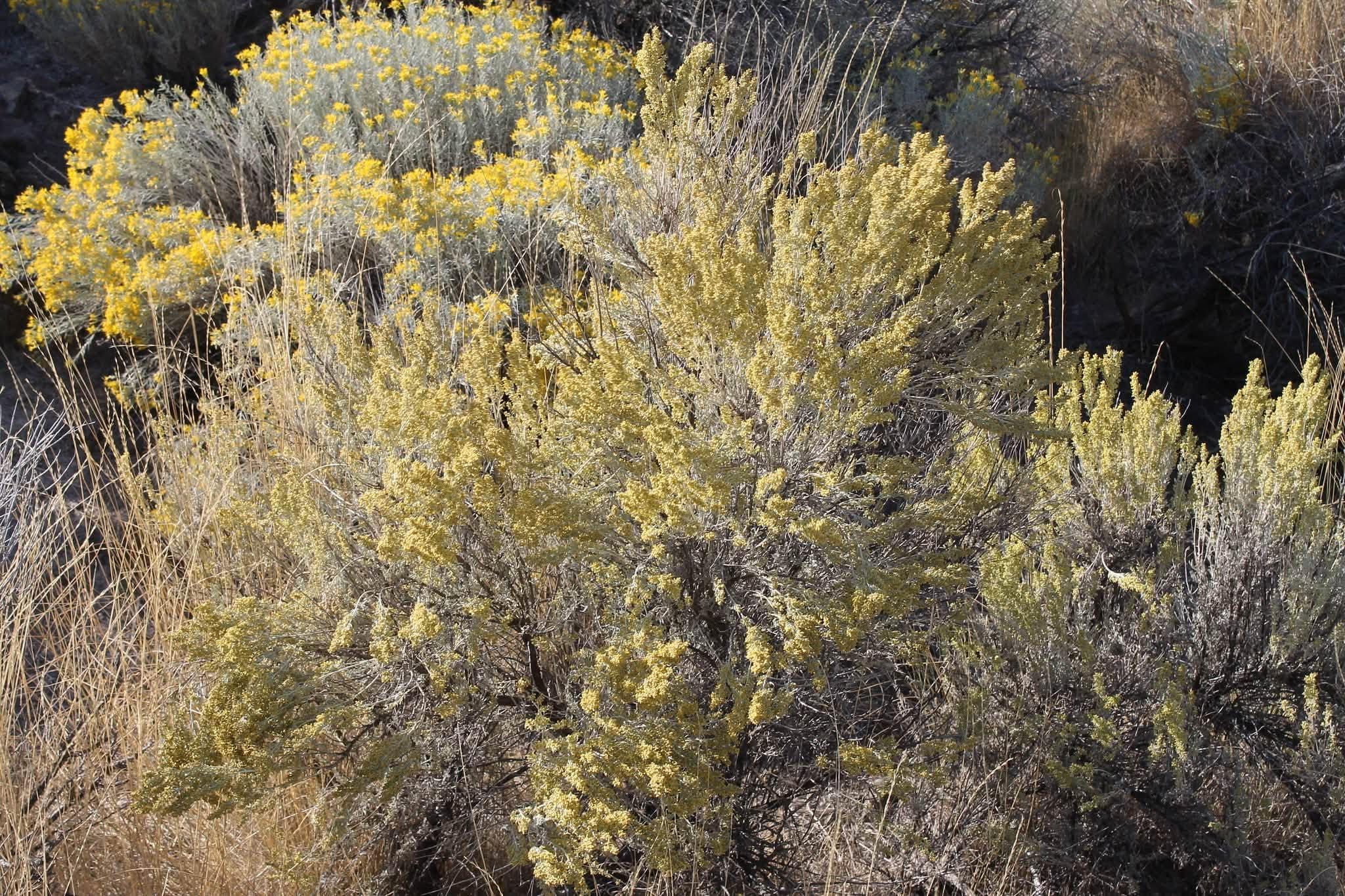
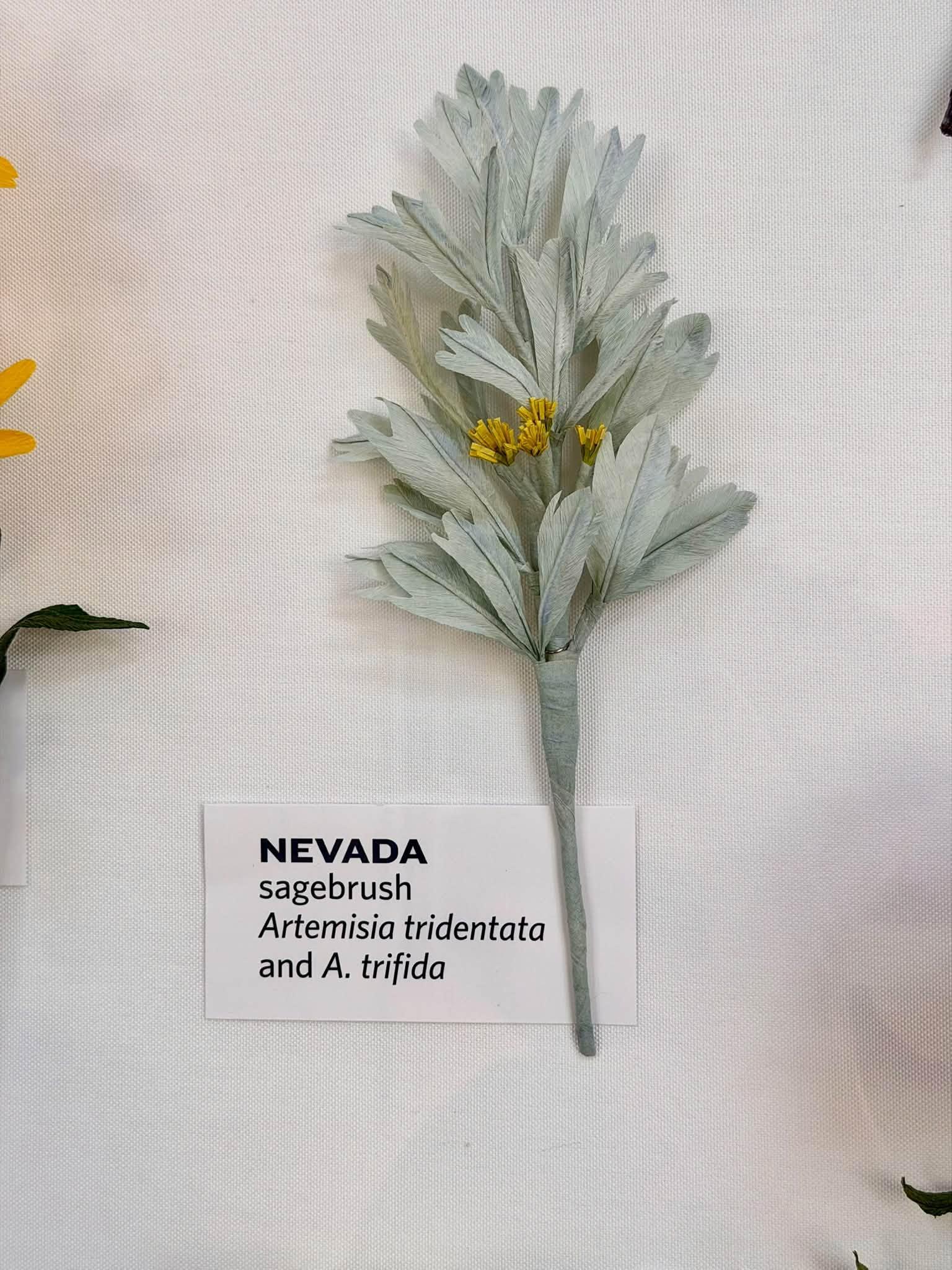
Sagebrush (Artemisia tridentata and A. trifida)

view of sagebrush with mountains in the background

People throughout time have found many uses for sagebrush, including burning its wood for incense and using its stringy bark to make rope and baskets. It is also featured in Nevada's state flag and song.
"Tridentata" refers to the three "teeth-shaped" leaf ends. Crushing a leaf released a signature scent that is spicy and somewhat bitter. Small, pale-yellow flowers appear in late summer. 

A. trifida (aka A. Tripartita) grows on 8.4 million acres of land throughout the Rocky Mountains and Great Basin!

[Artemisia tridentata photos 1 and 2 by Matt Lavin.]
[Artemisia tridentata habitat photo by Sue Weis.]

Bloom time: June-October


This is part five of an eight-article blog series. Keep checking usbg.gov/blog to explore the rest of this series, and stop by the Garden to see the exhibit in person before it closes October 12, 2026!