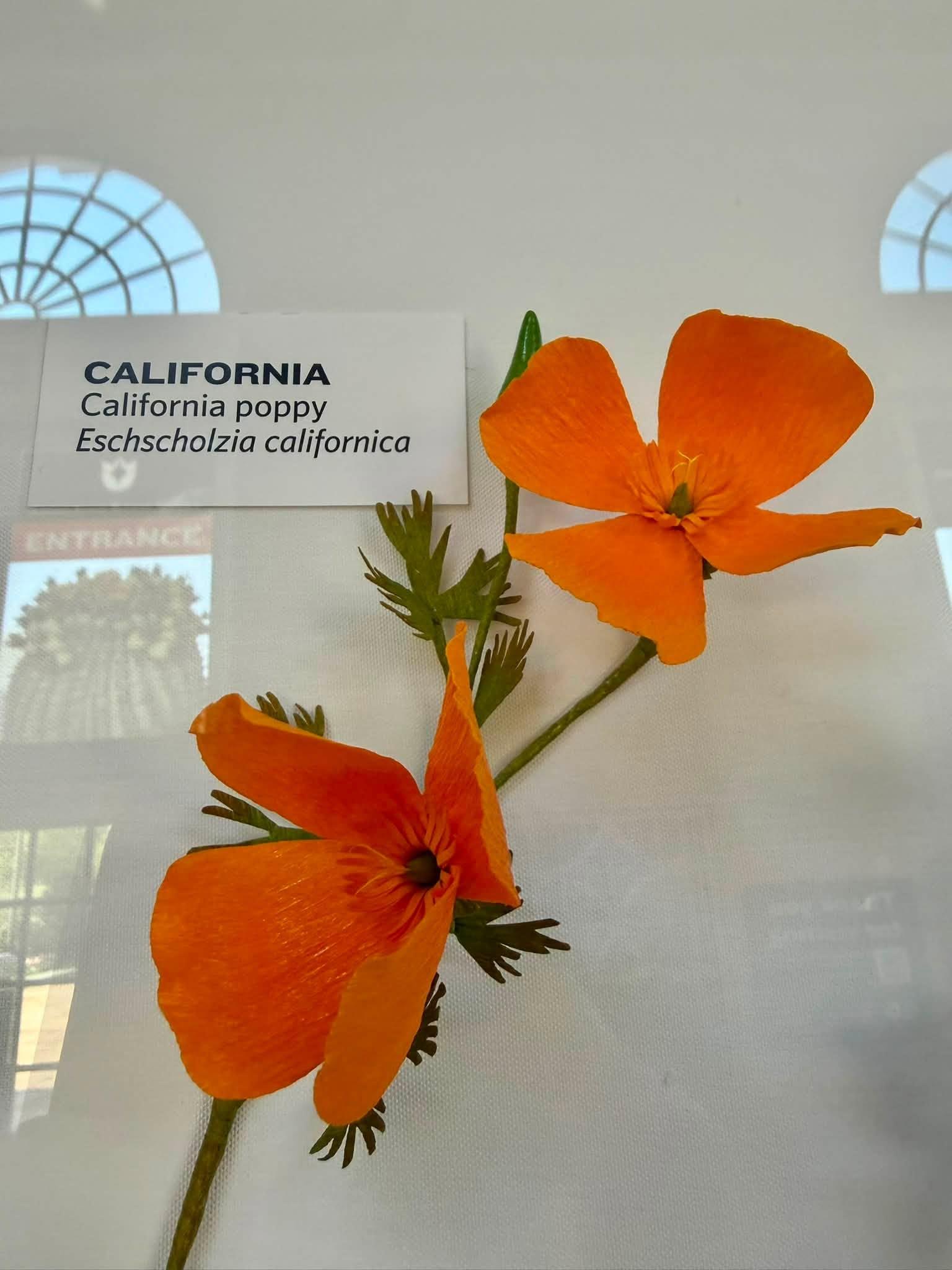
In celebration of America's 250th anniversary, the U.S. Botanic Garden is showcasing the flowers each U.S. state and territory has chosen as their official flower. The April-October 2026 exhibit shares their sights and stories with living plants, artistic displays, botanical illustrations, and herbarium specimens.

From fragrant magnolia flowers and roses to native orchids, bluebonnets, and saguaro cactus flowers, enjoy the variety as we feature the floral beauty that symbolizes America.

See the full list on our America's State Flowers webpage, and continue reading to learn more as we showcase each official flower.

Alabama | Alaska | American Samoa | Arizona | Arkansas & Michigan | California
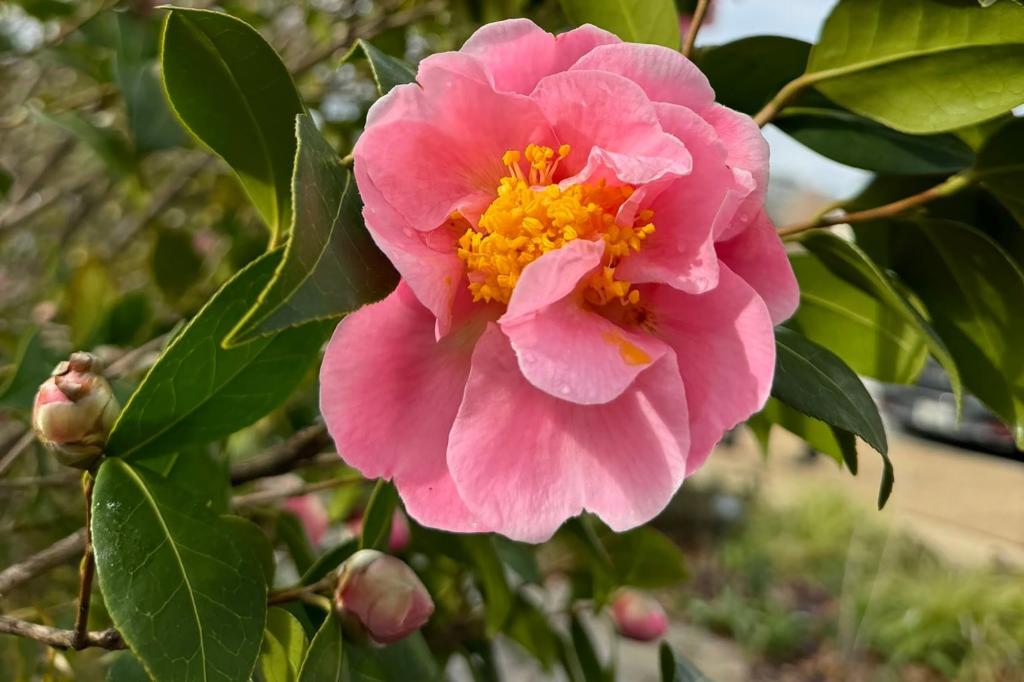
ALABAMA

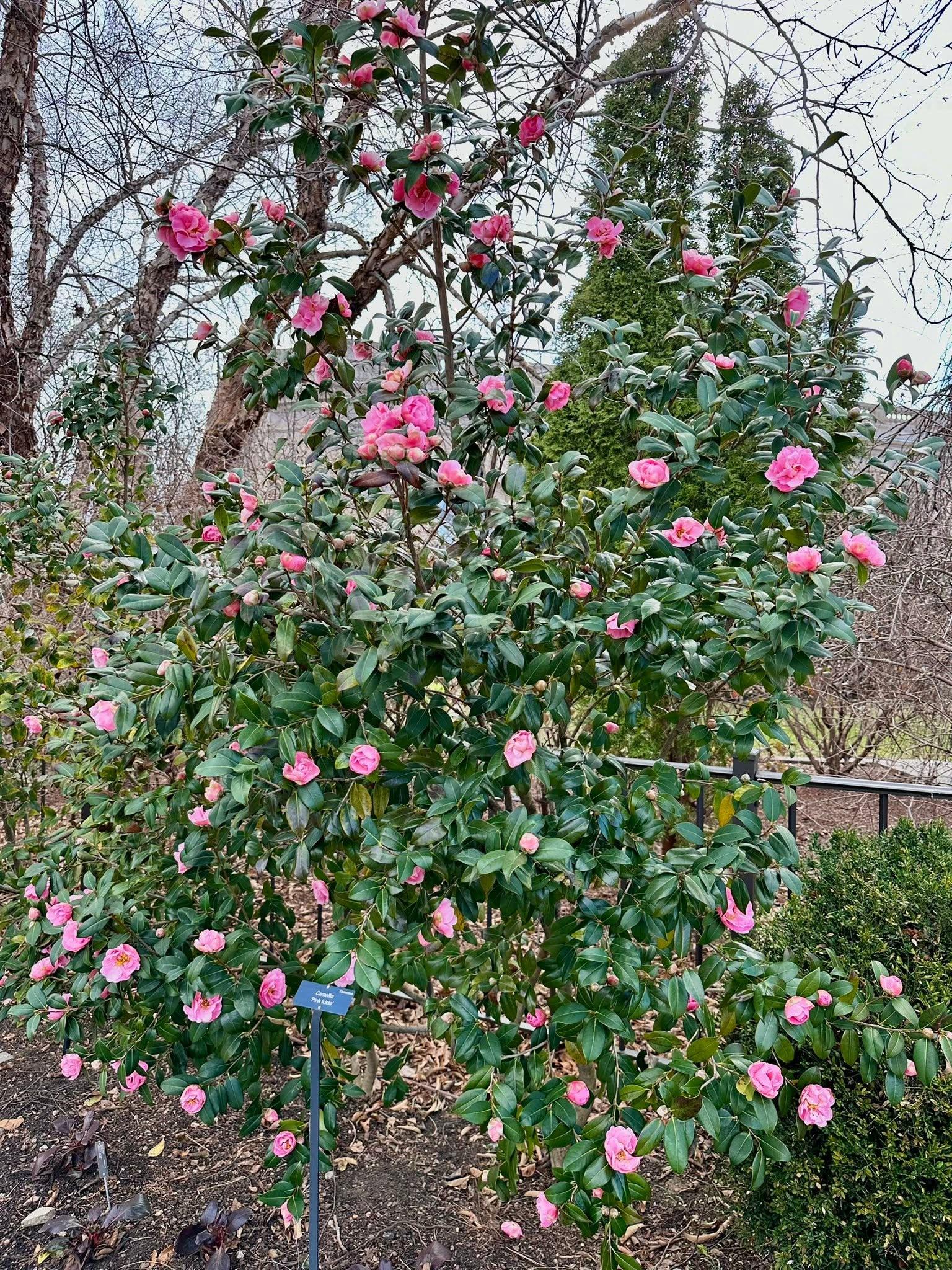
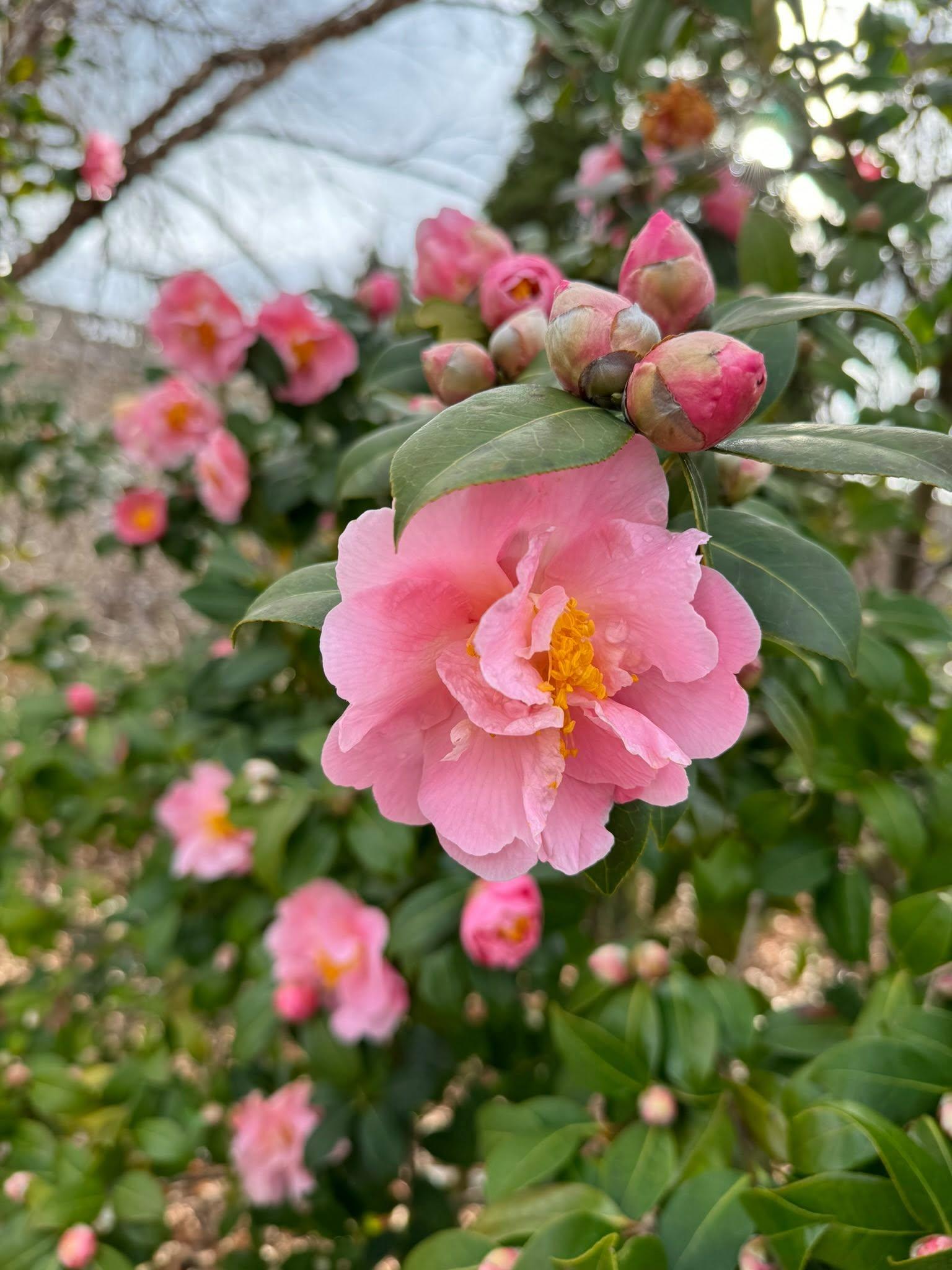
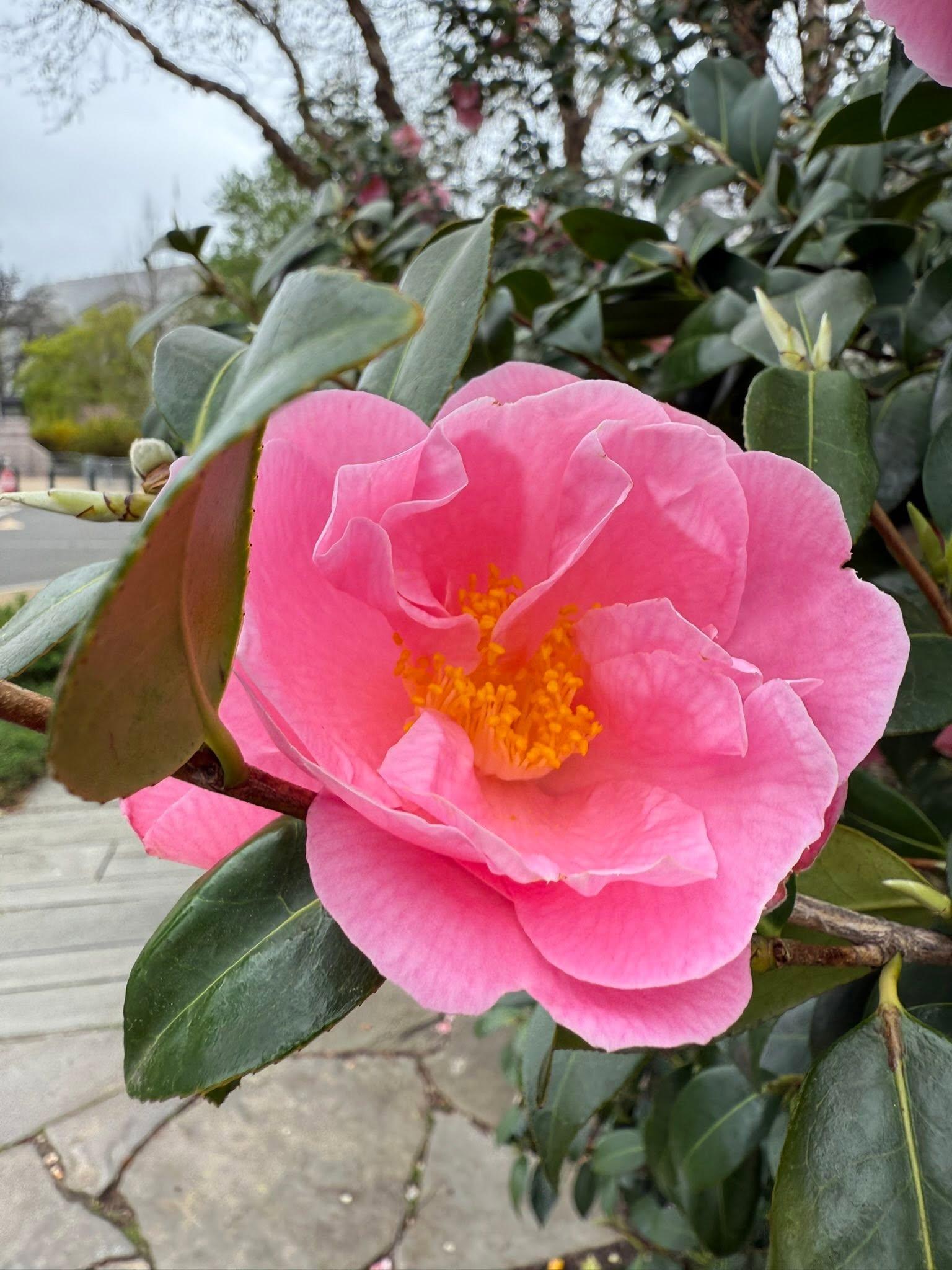
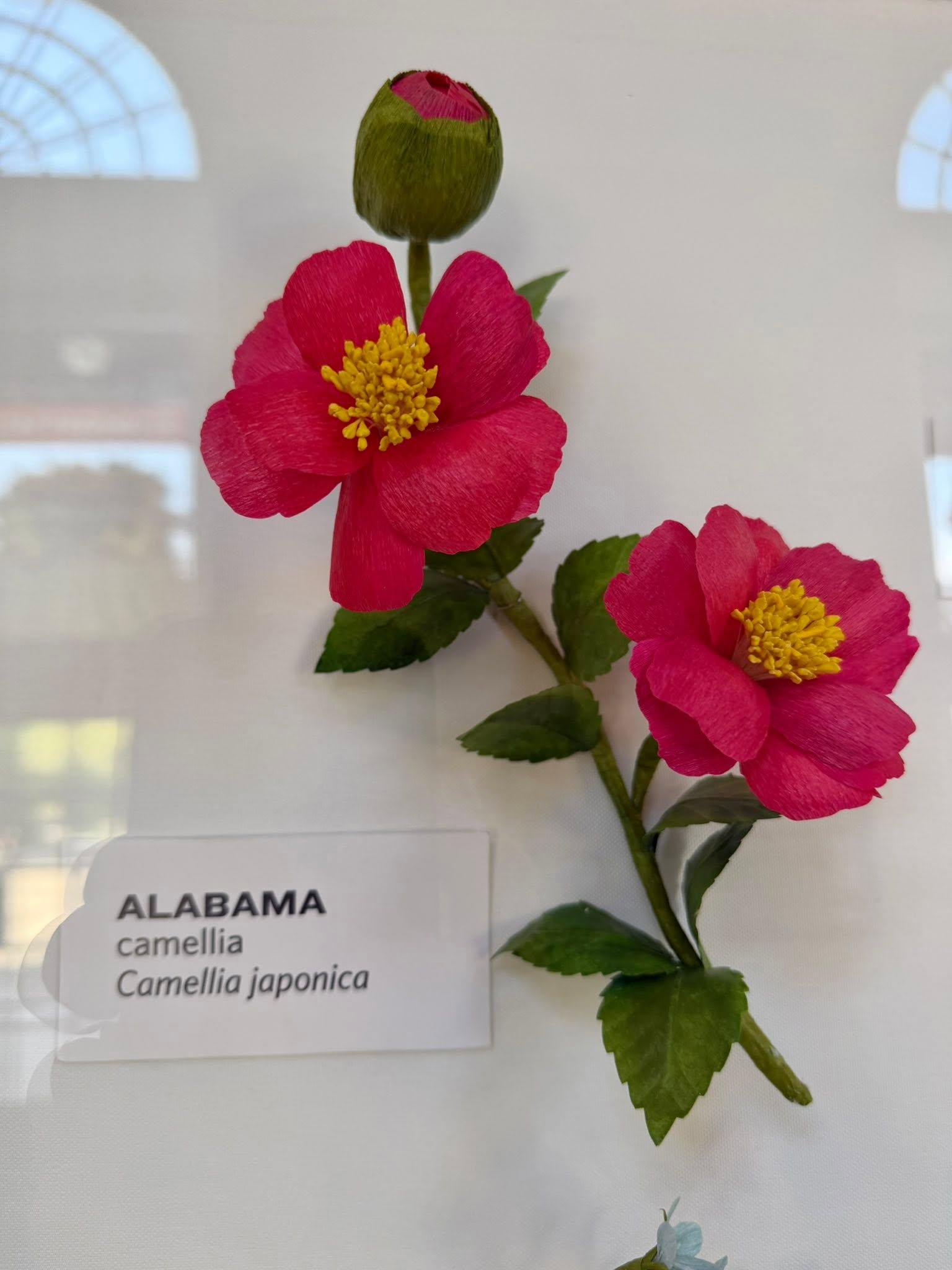
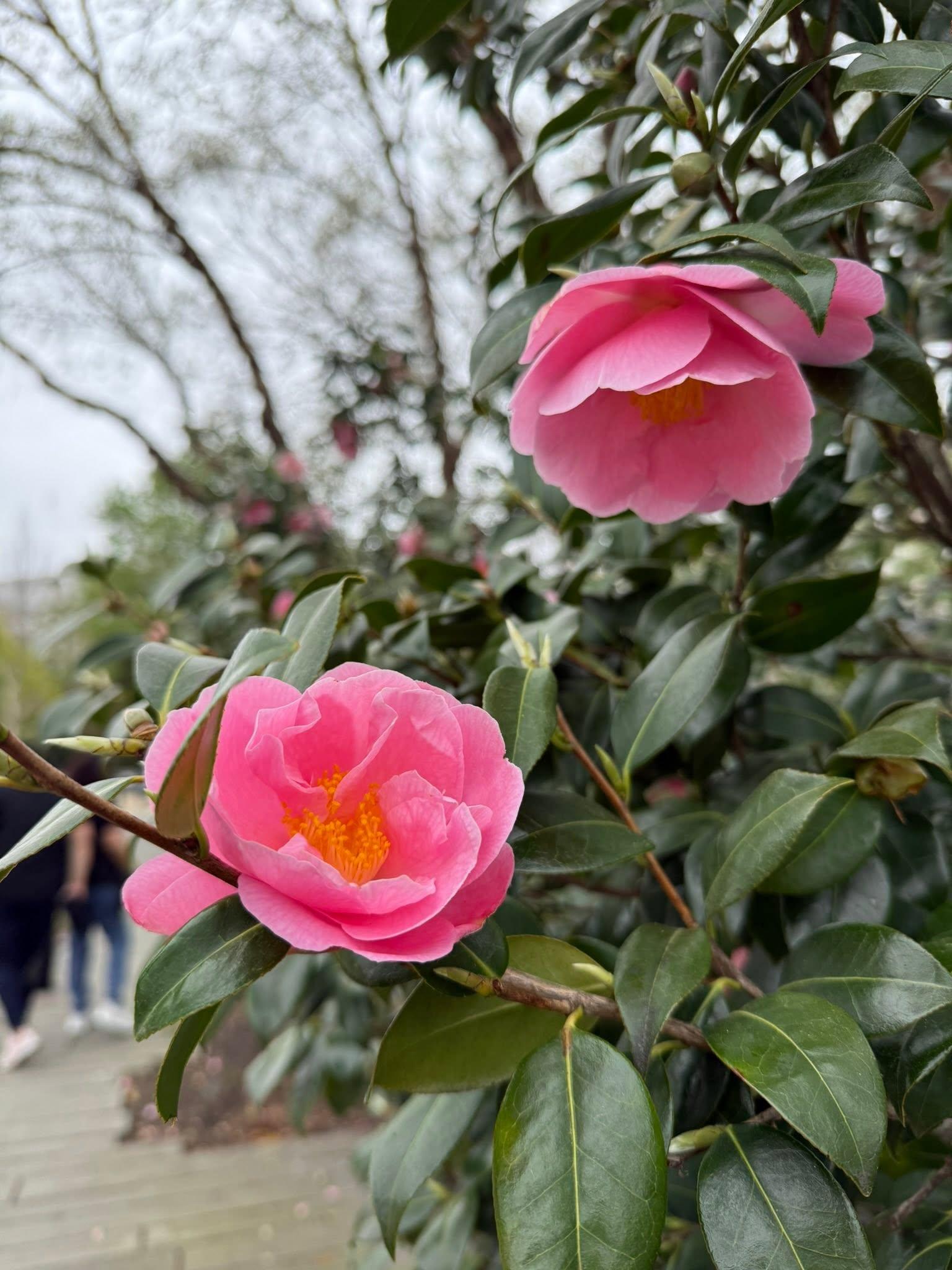
Camellia (Camellia japonica)

pink blossom up close

The camellia was Alabama's second state flower. It was chosen in 1959 after an influential group of nursery owners lobbied for it to replace the native goldenrod (which they mocked as a weed). This beauty is Camellia 'Pink Icicle.'

Bloom time: February-April

ALASKA

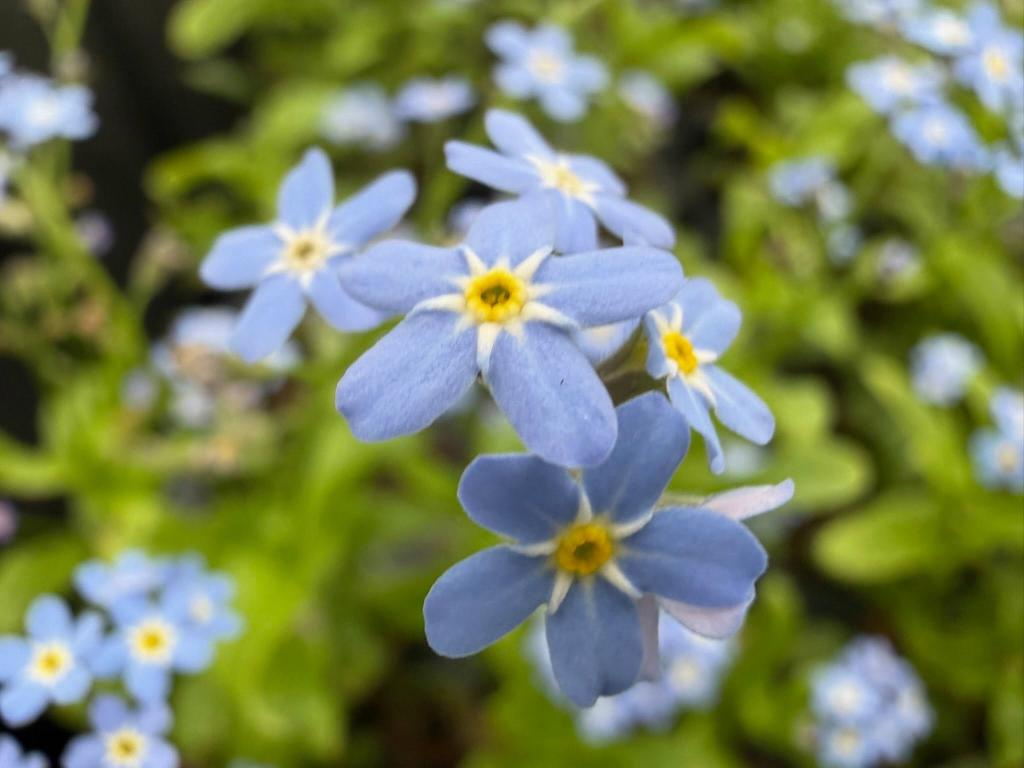
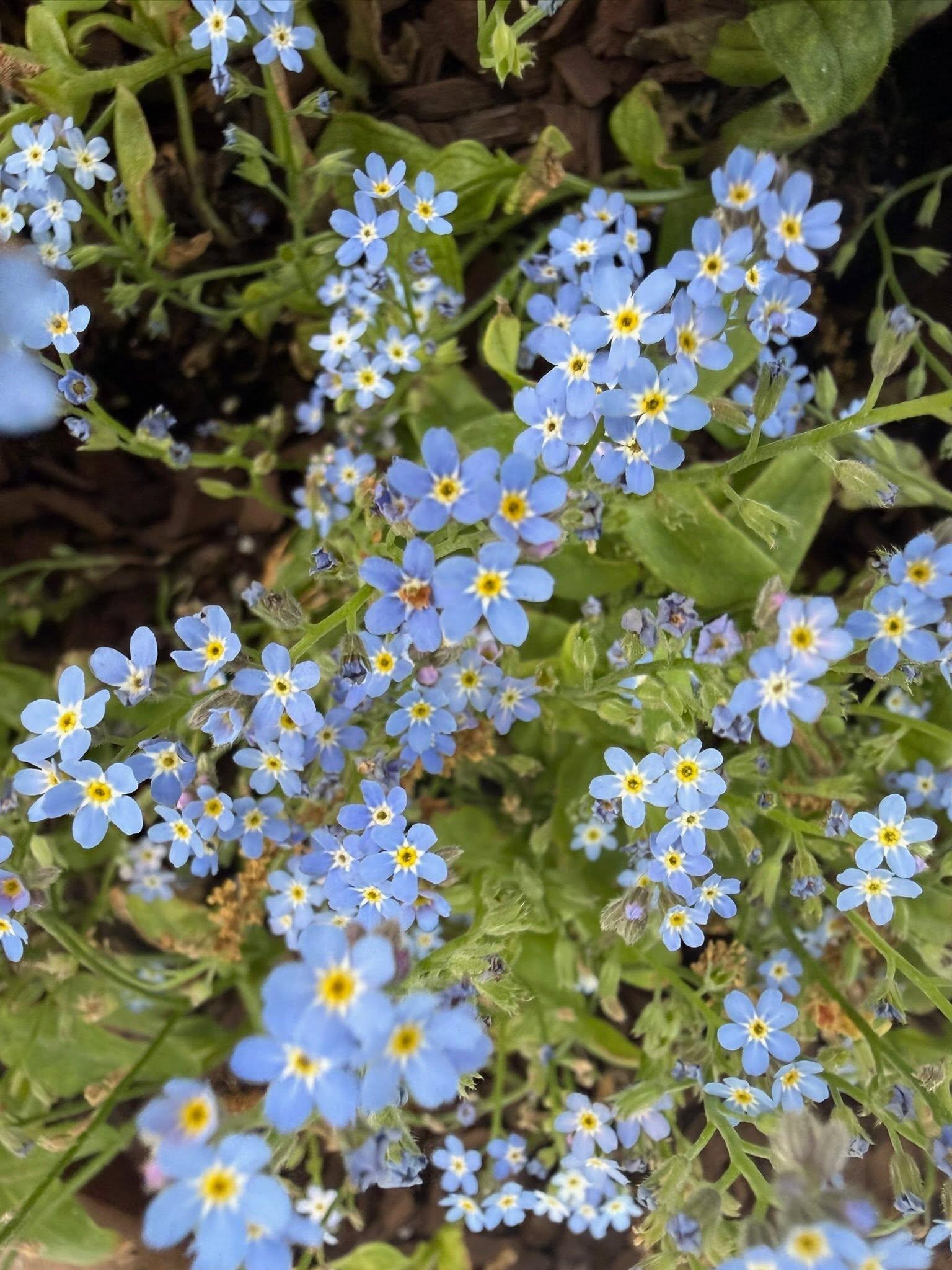
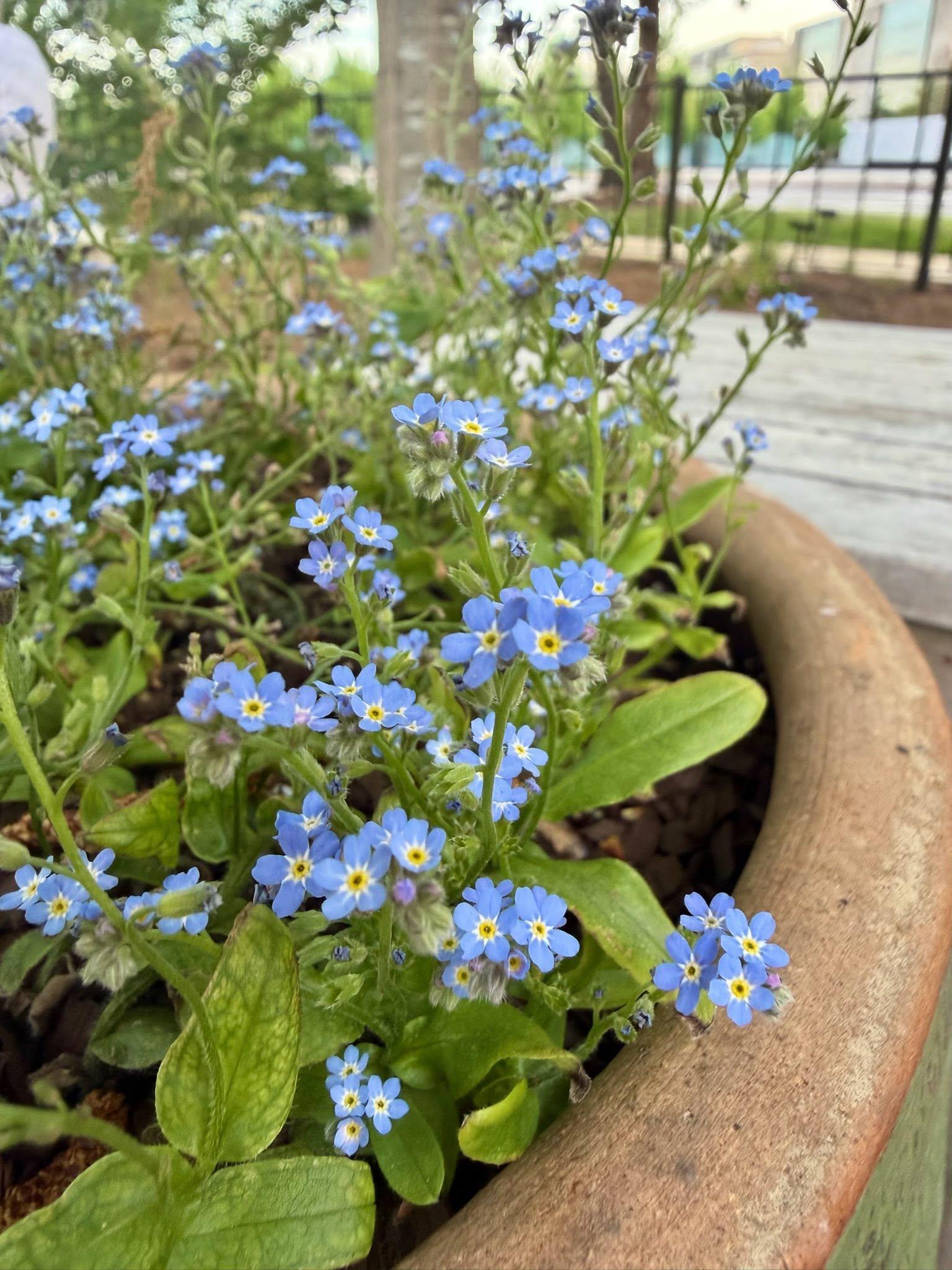
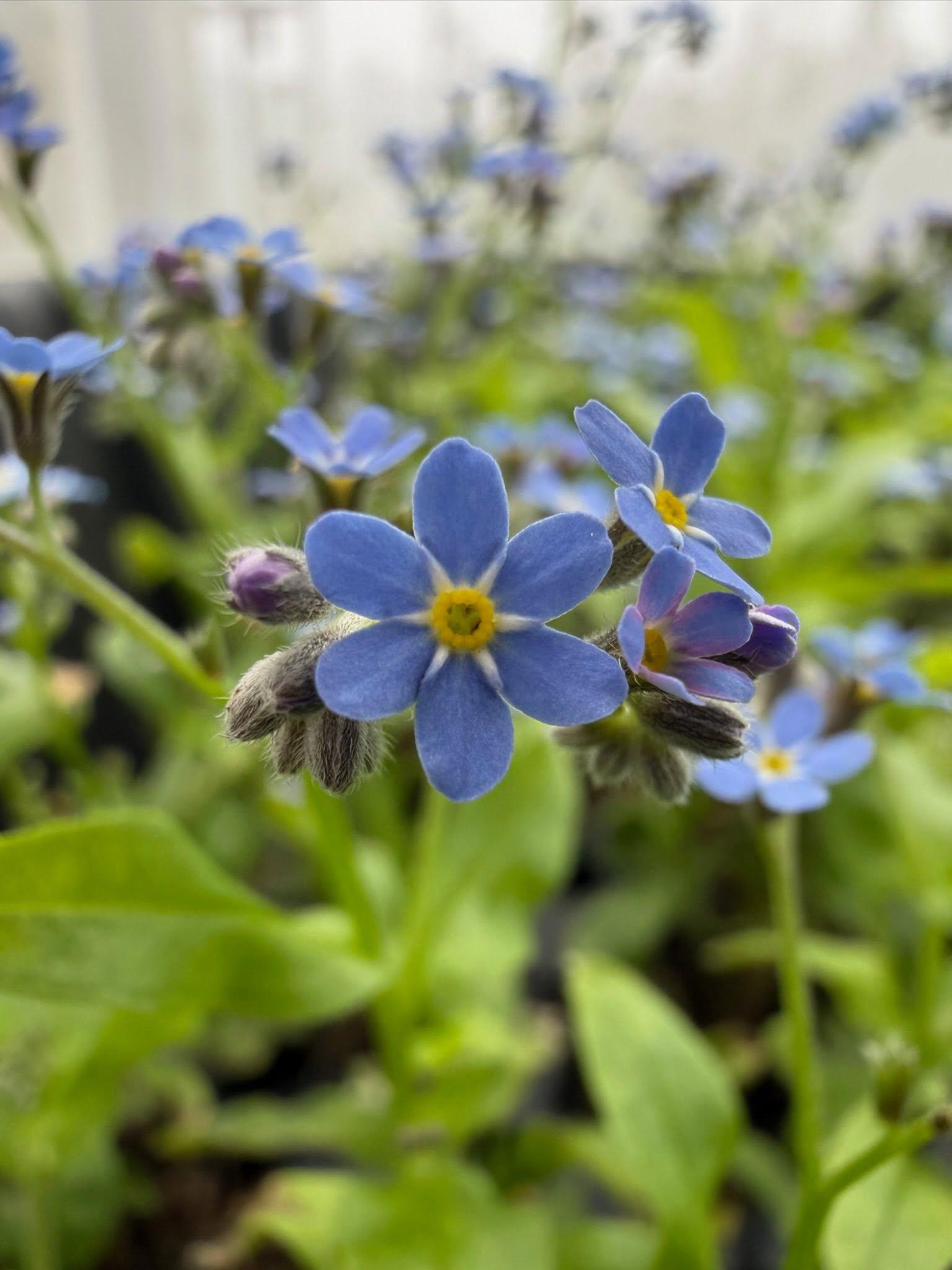
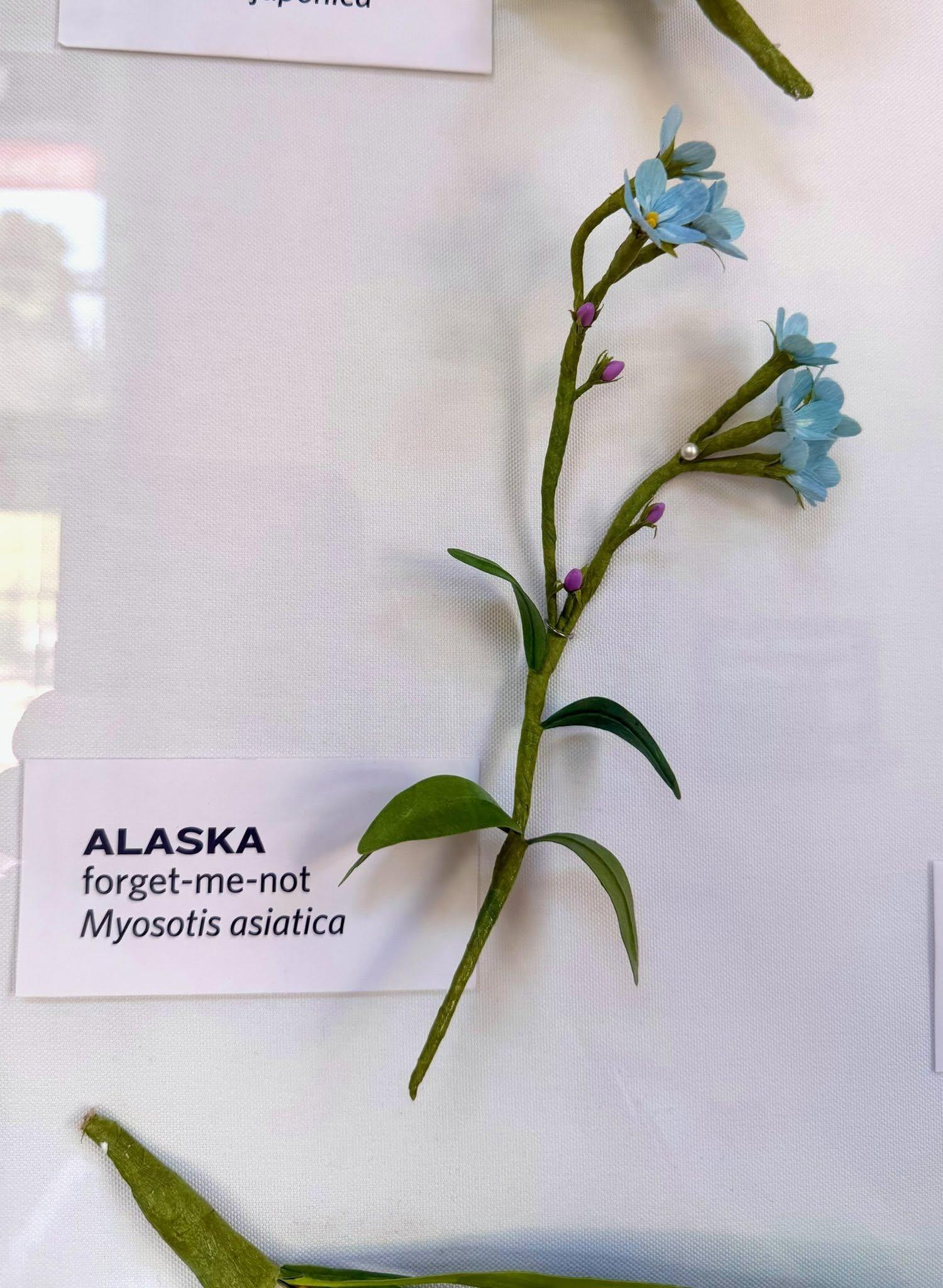
Forget-me-nots (Myosotis asiatica)

blue blossoms up close

The forget-me-nots' vibrant blue color and status as a native plant was cited as inspiration for the blue of Alaska's flag by the 13-year-old who won the competition for its design.

Bloom time: June-September

AMERICAN SAMOA

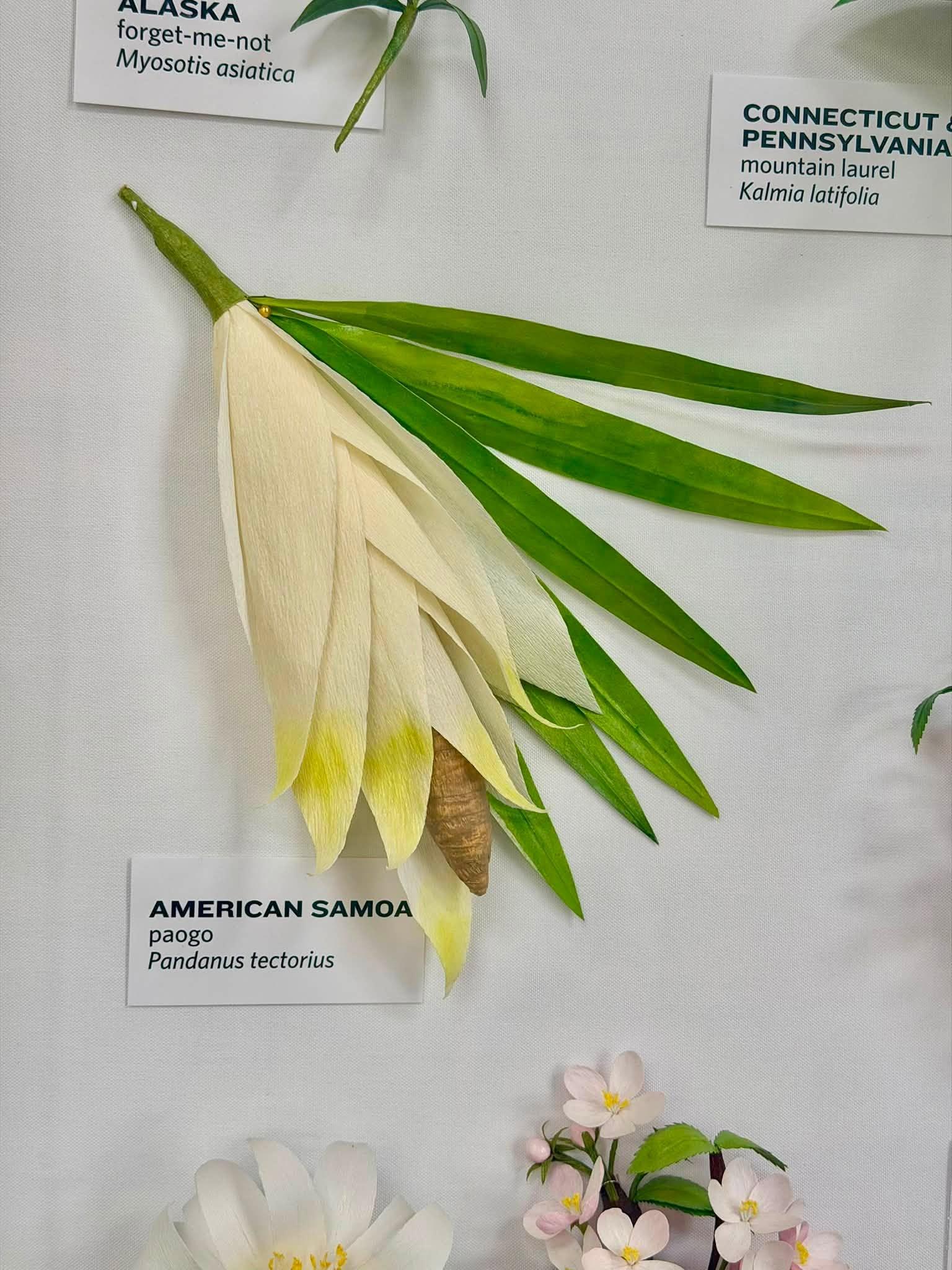
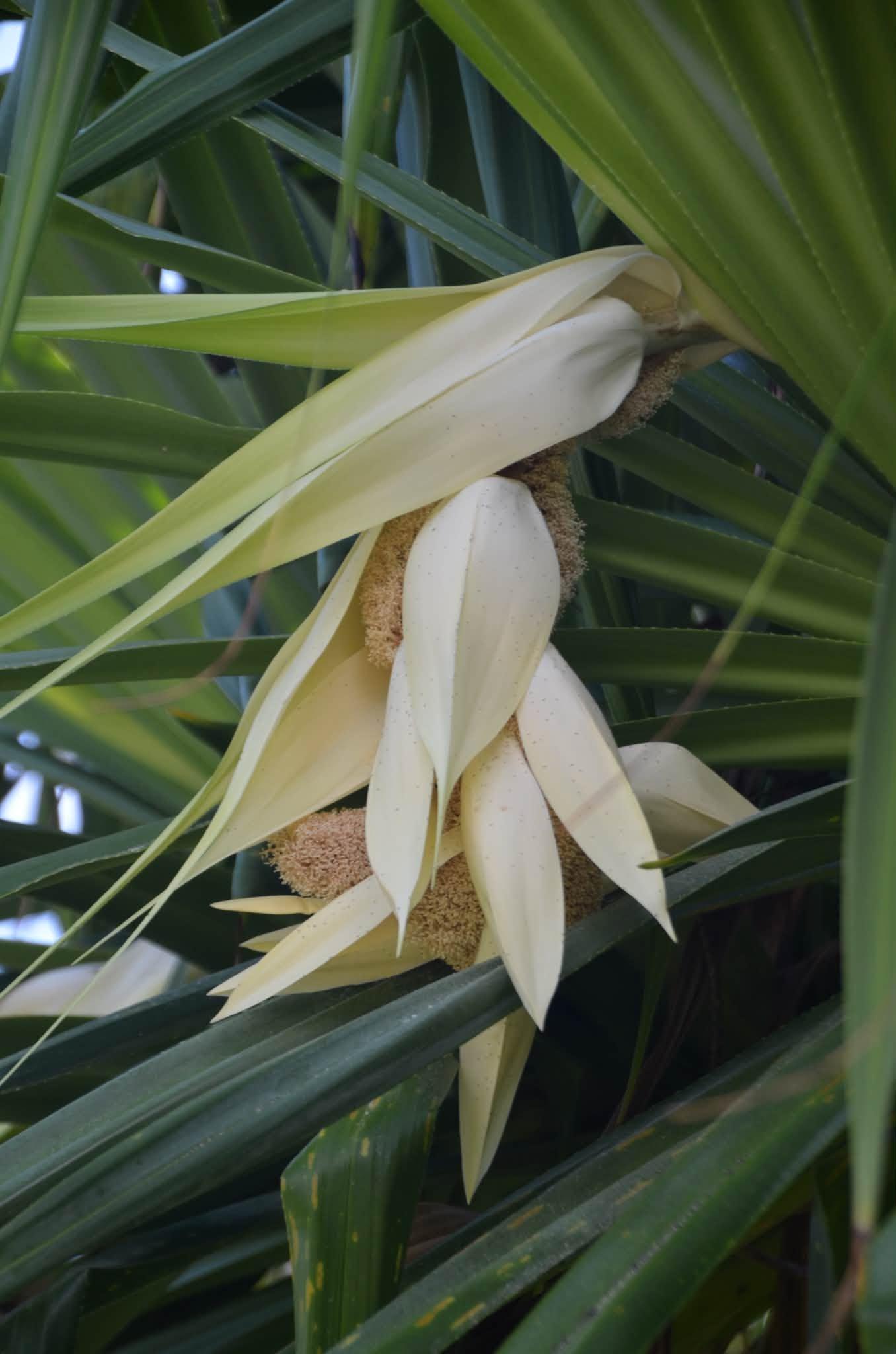
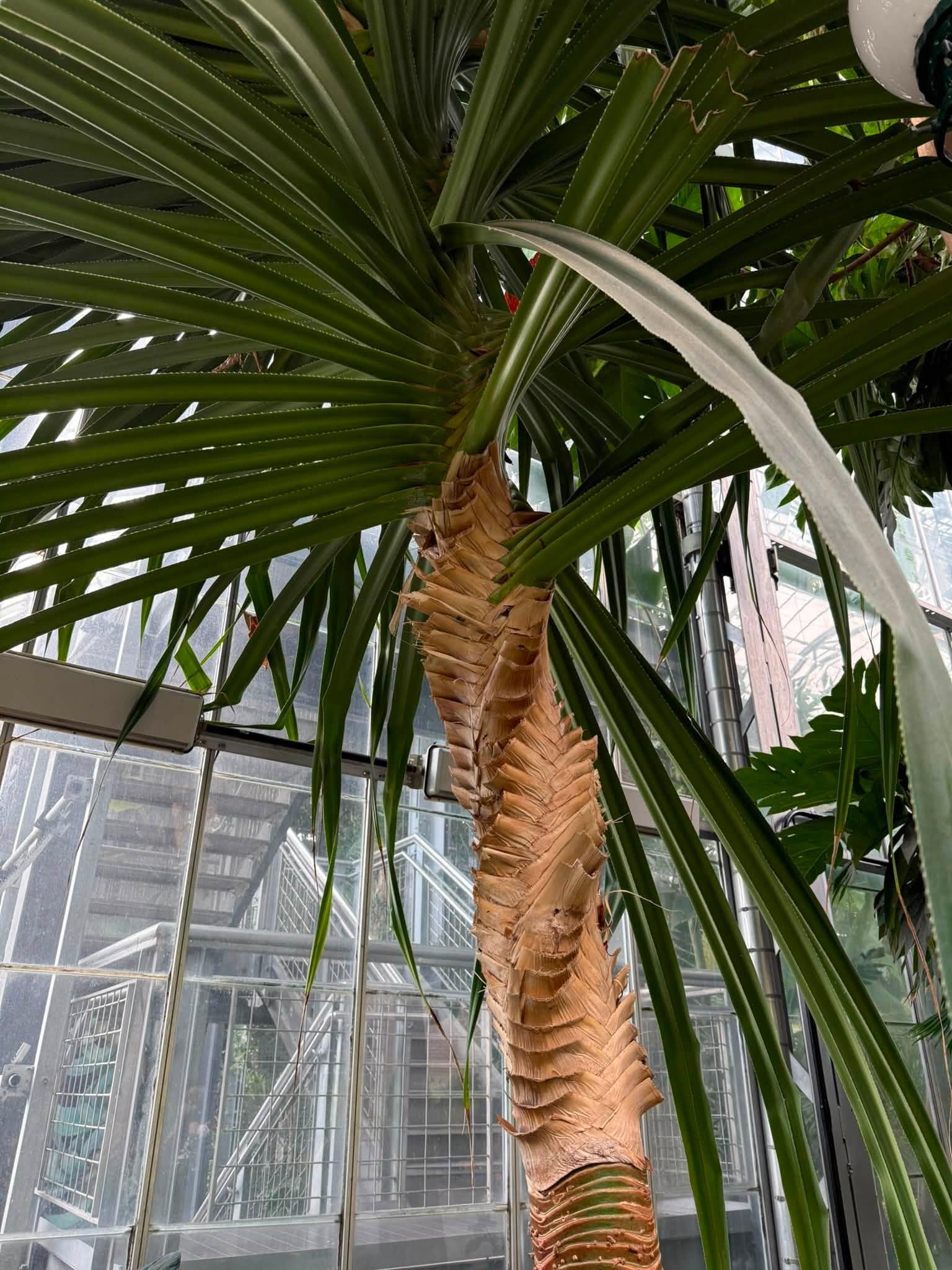
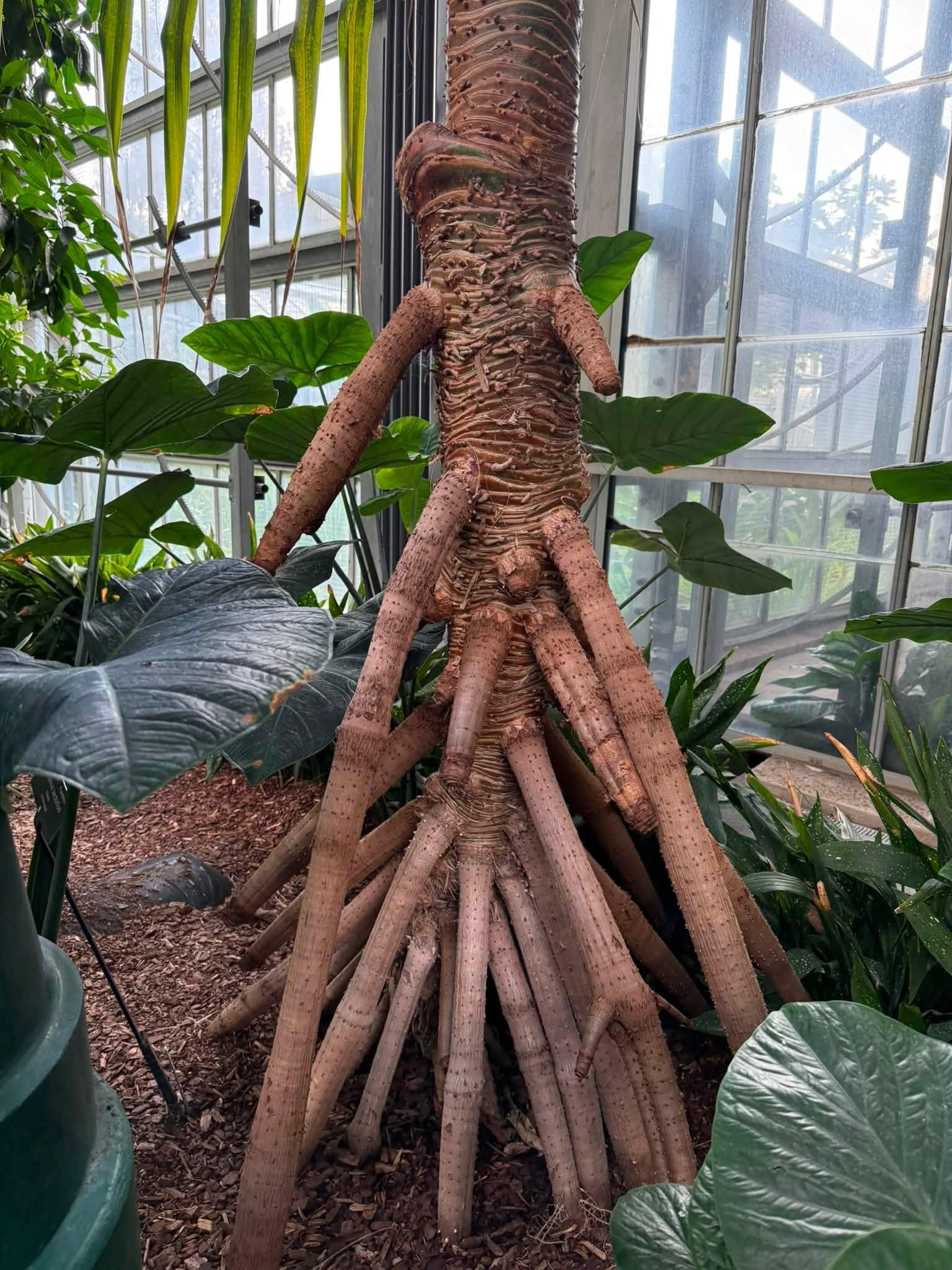
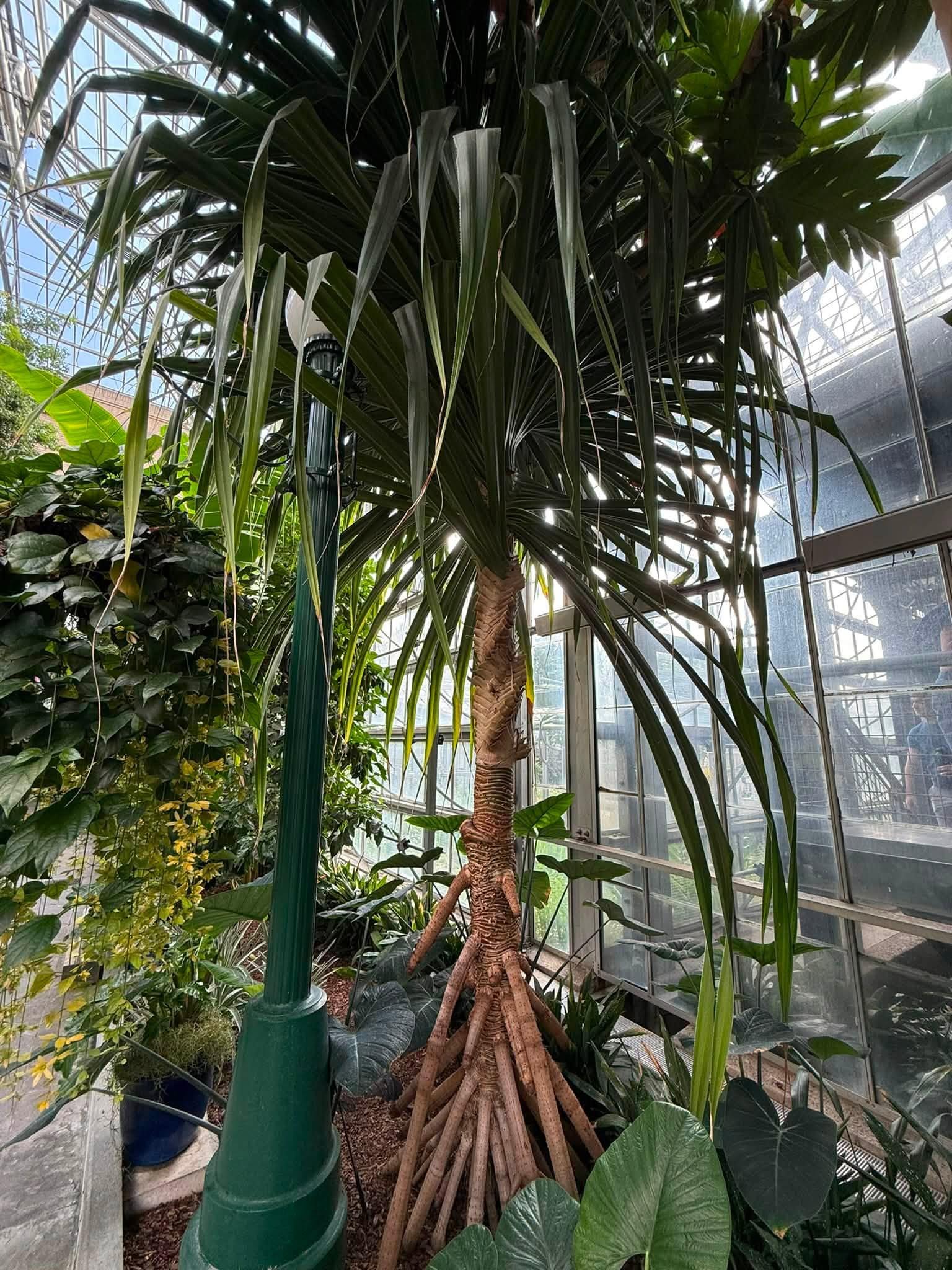
Paogo (Pandanus tectorius)

Used by Pacific Islanders for centuries, the plant is known in Samoan as paogo. The leaves can be woven into fabric or baskets, and several parts of the plant including the roots, leaves, stems, and fruit are used medicinally. The English common name screw pine refers to the spiral arrangement of the leaves. The fruit is edible.

Bloom time: June-August

ARIZONA

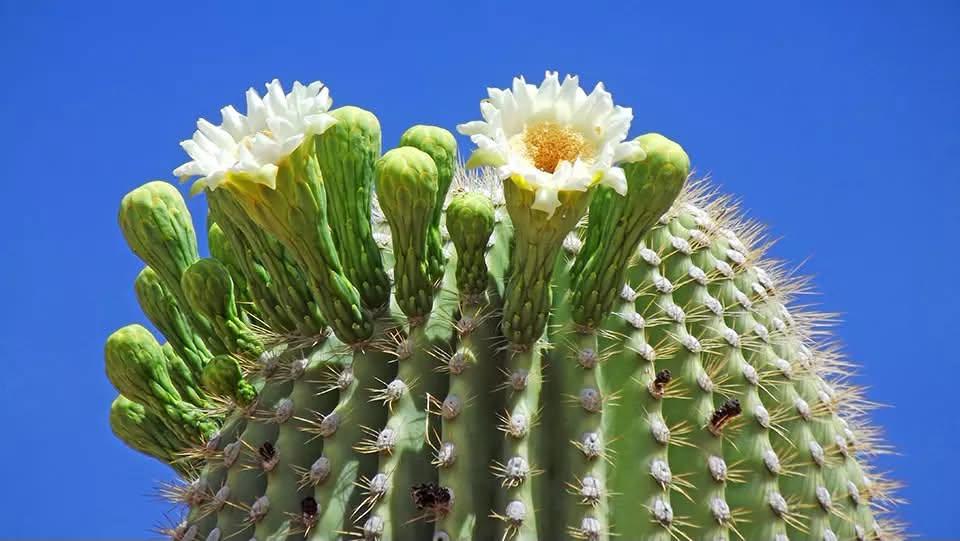
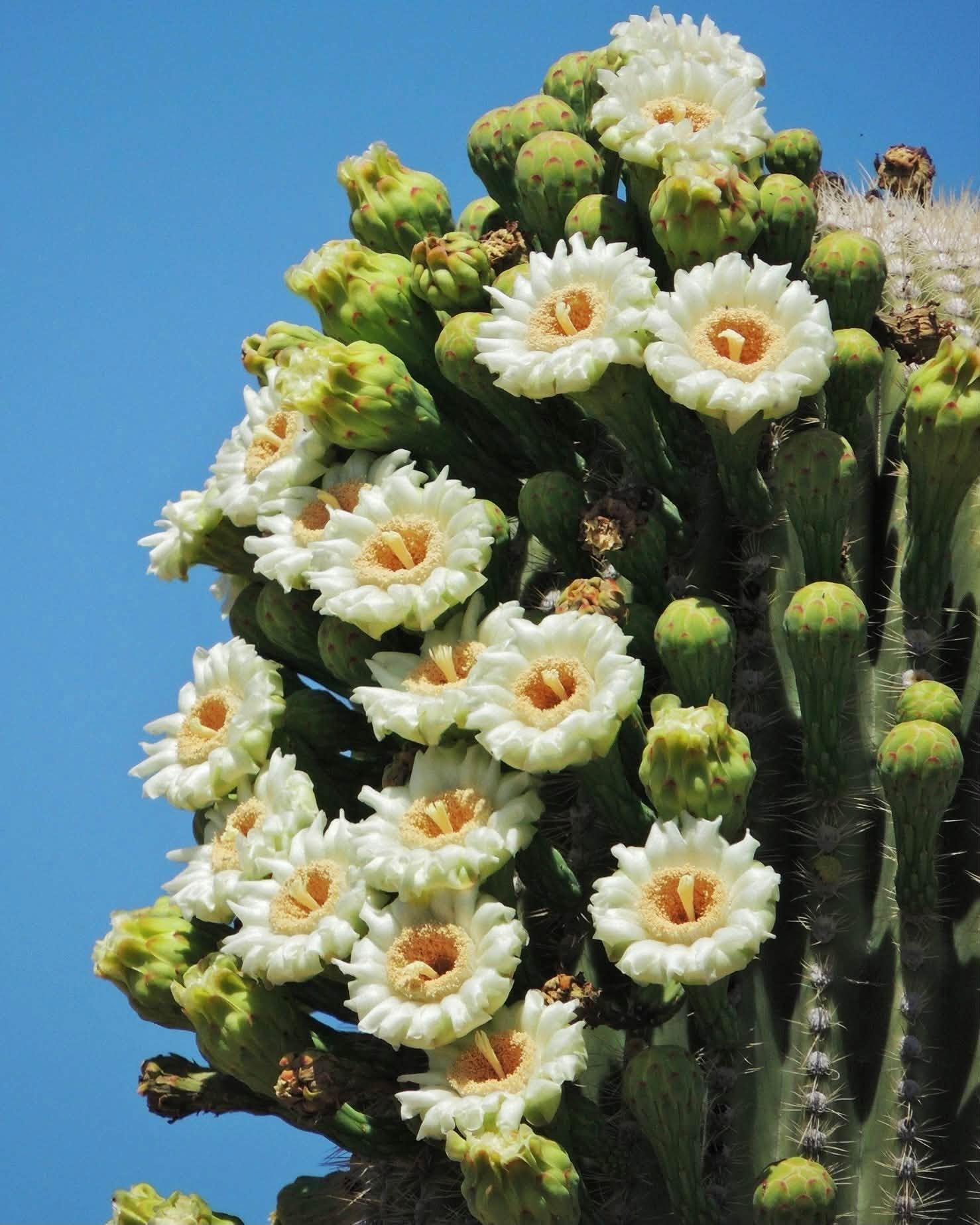
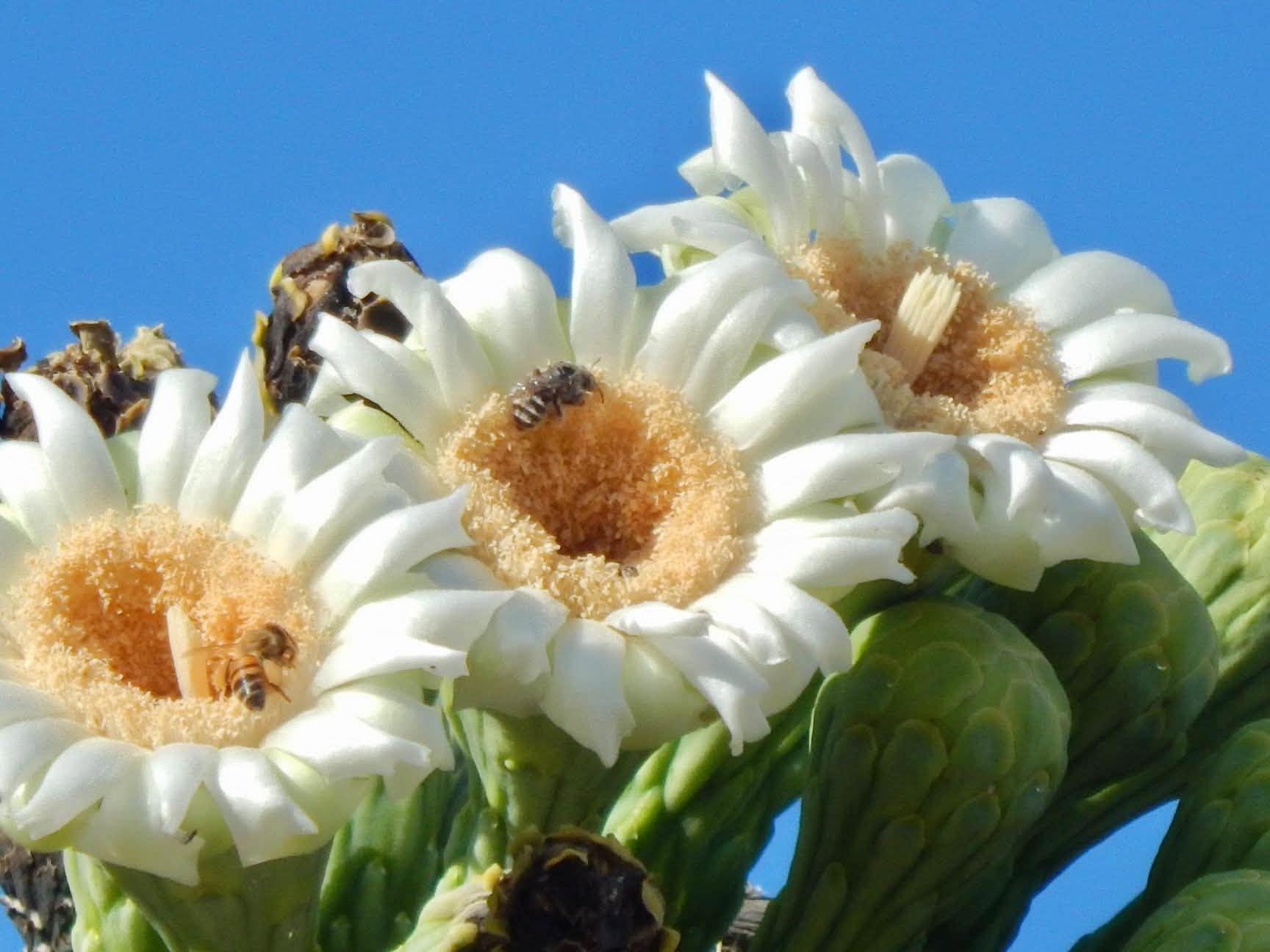
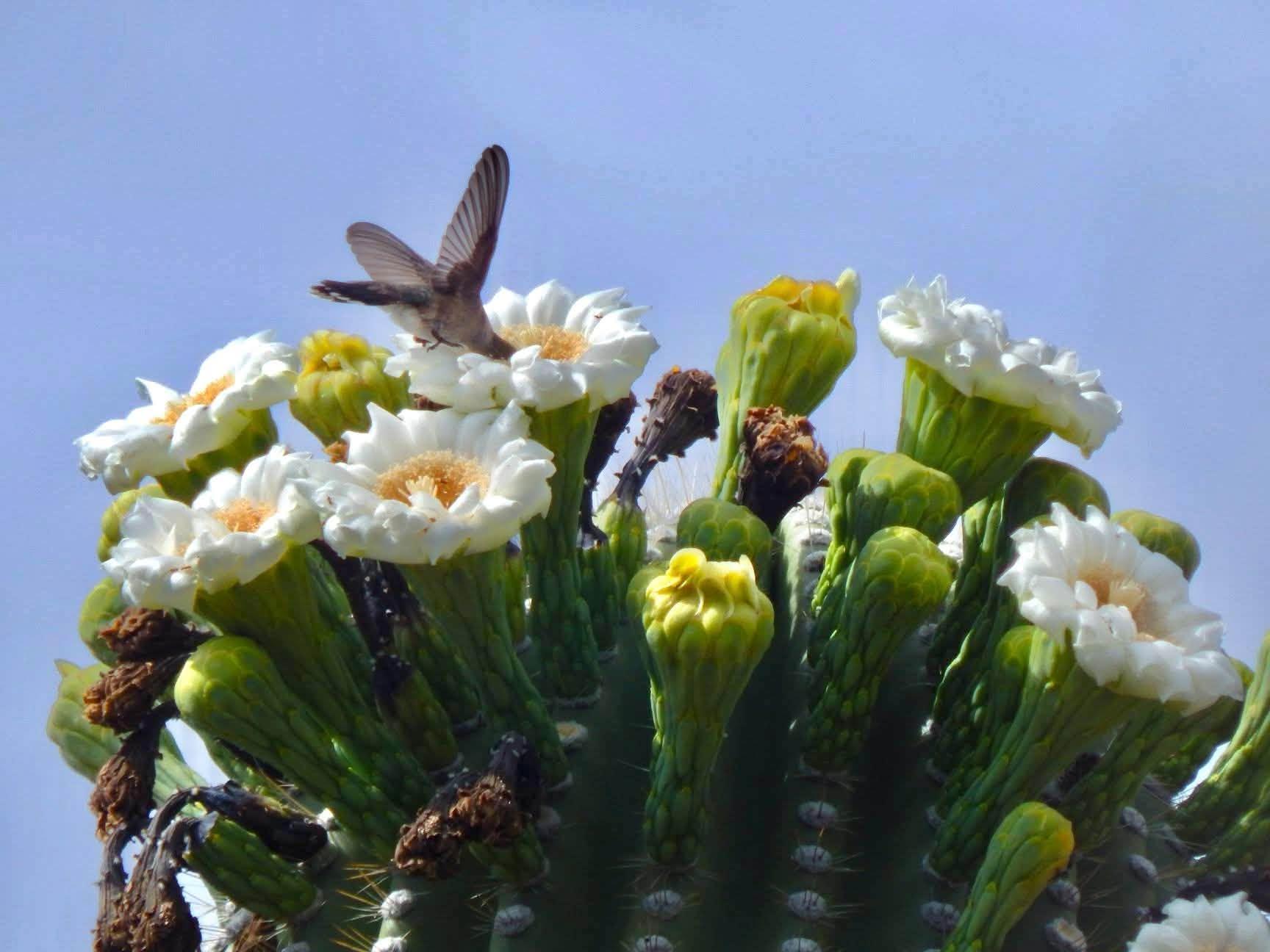
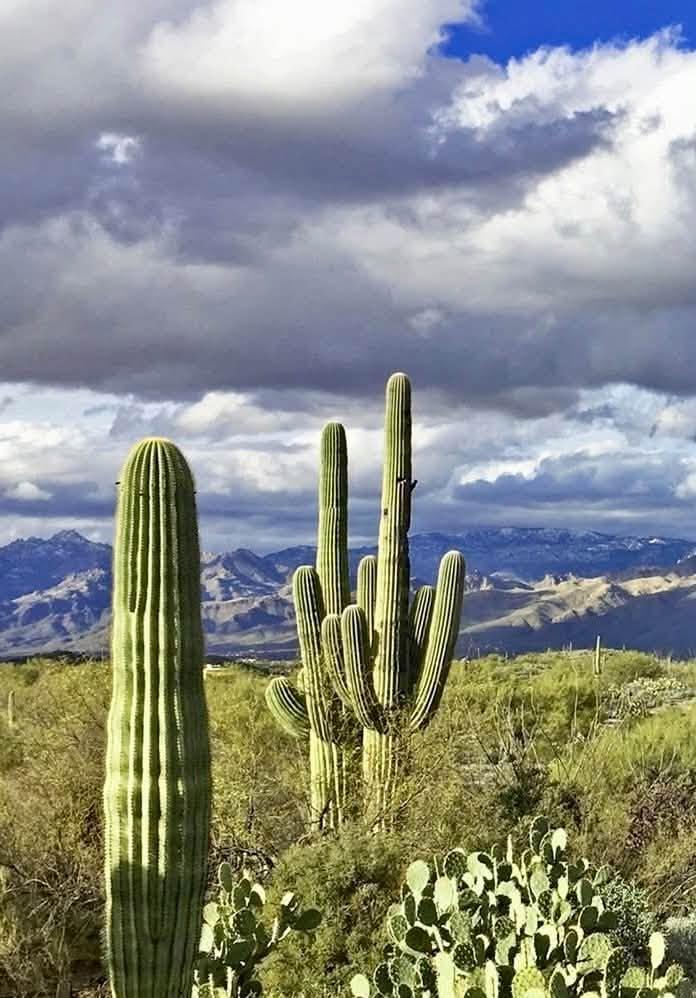
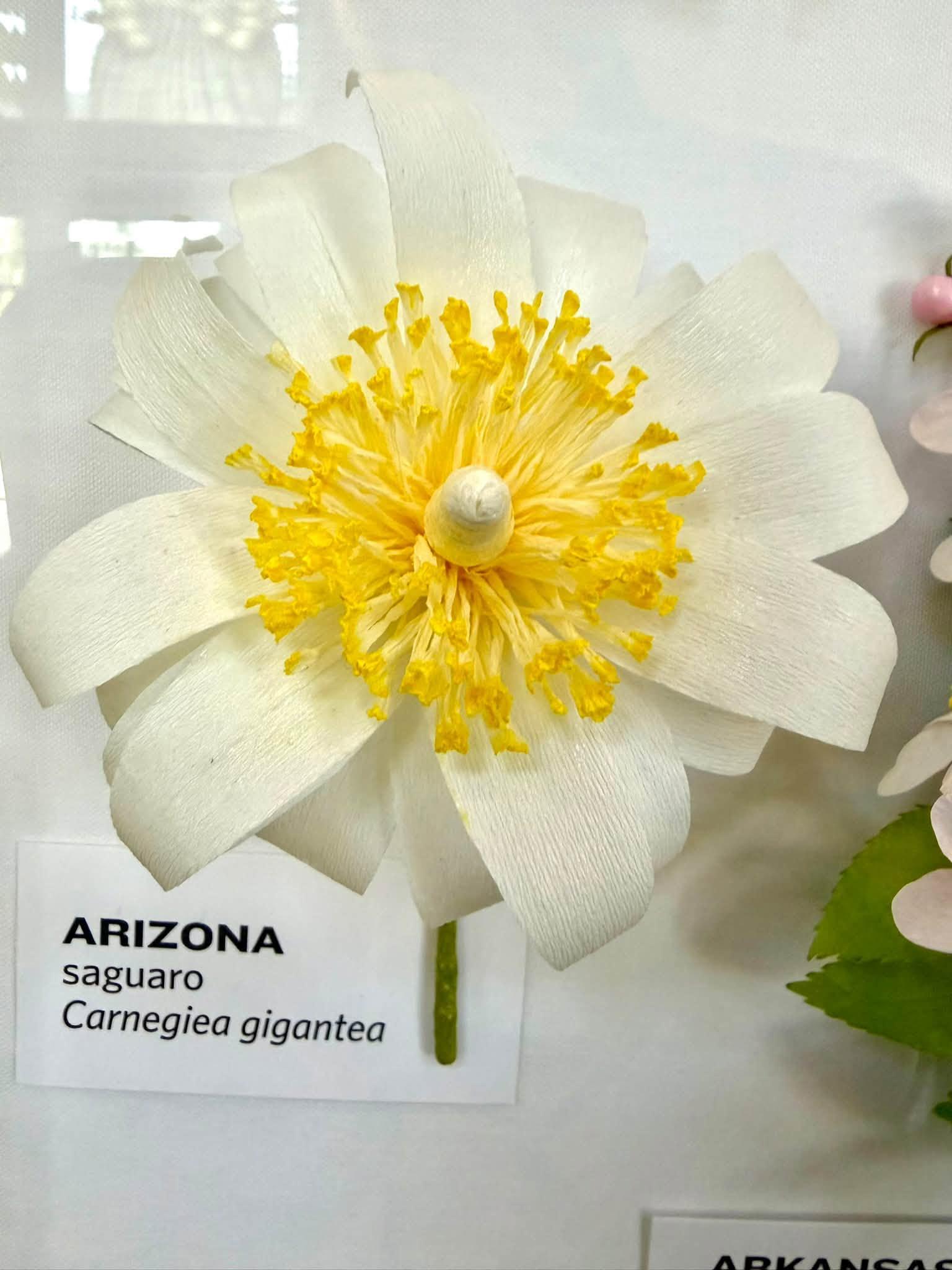
Saguaro (Carnegiea gigantea)

two blossoms and blue sky

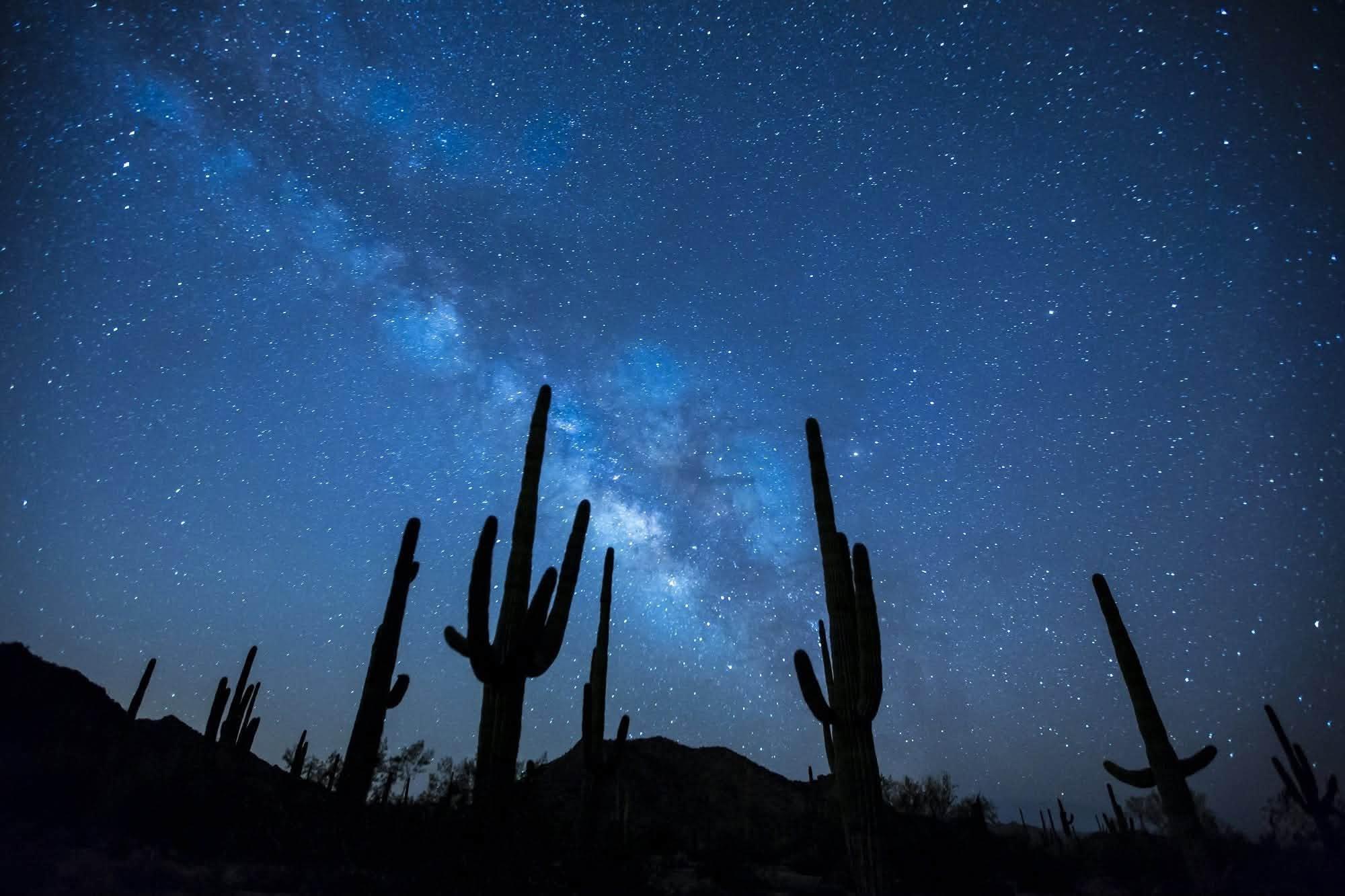
The only state flower that is a cactus, Arizona named this stately cactus flower as their flower symbol in 1931. It beat out other desert competitor flowers of prickly pear blossom, ocotillo flower, and the desert marigold.

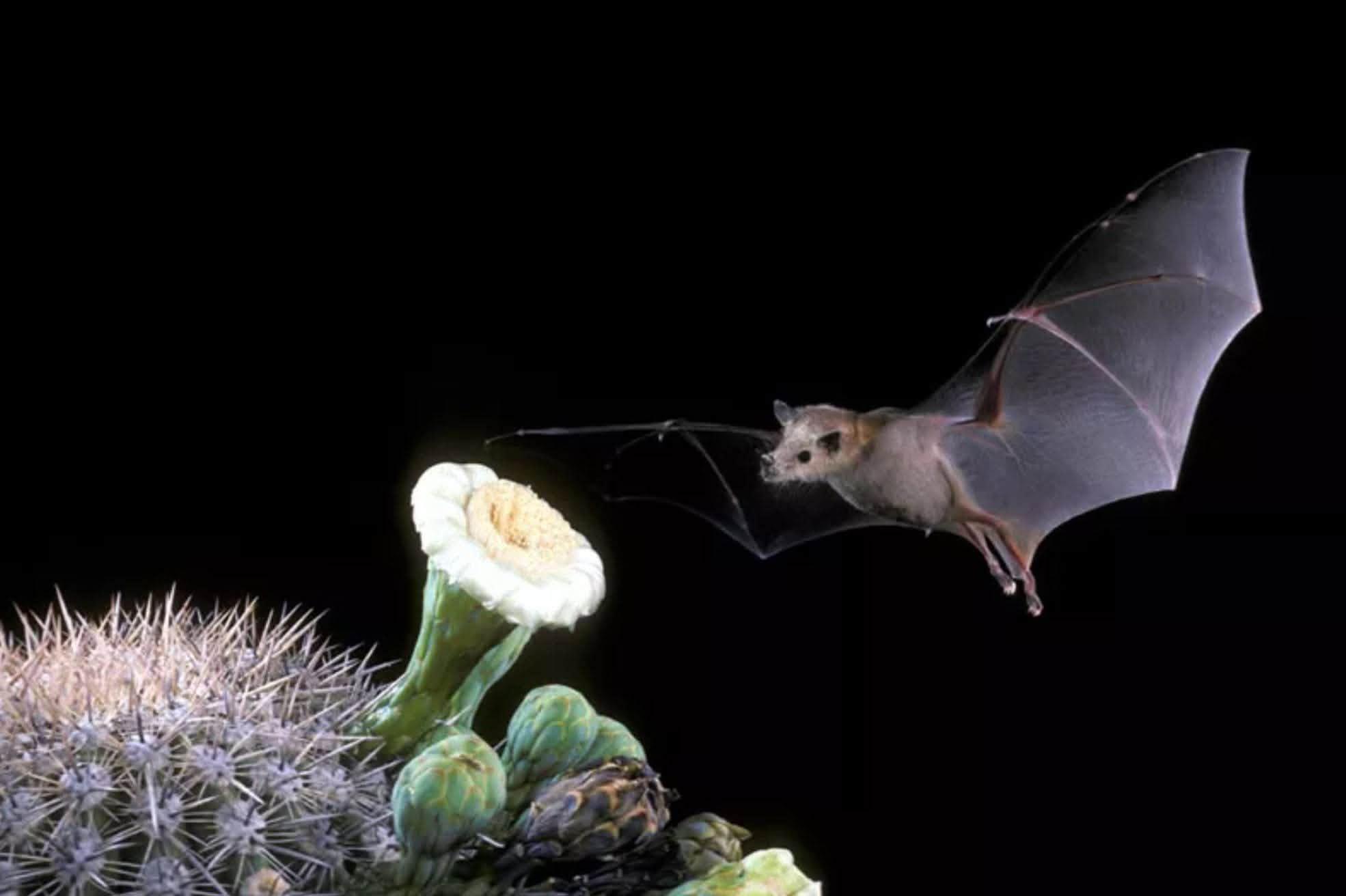
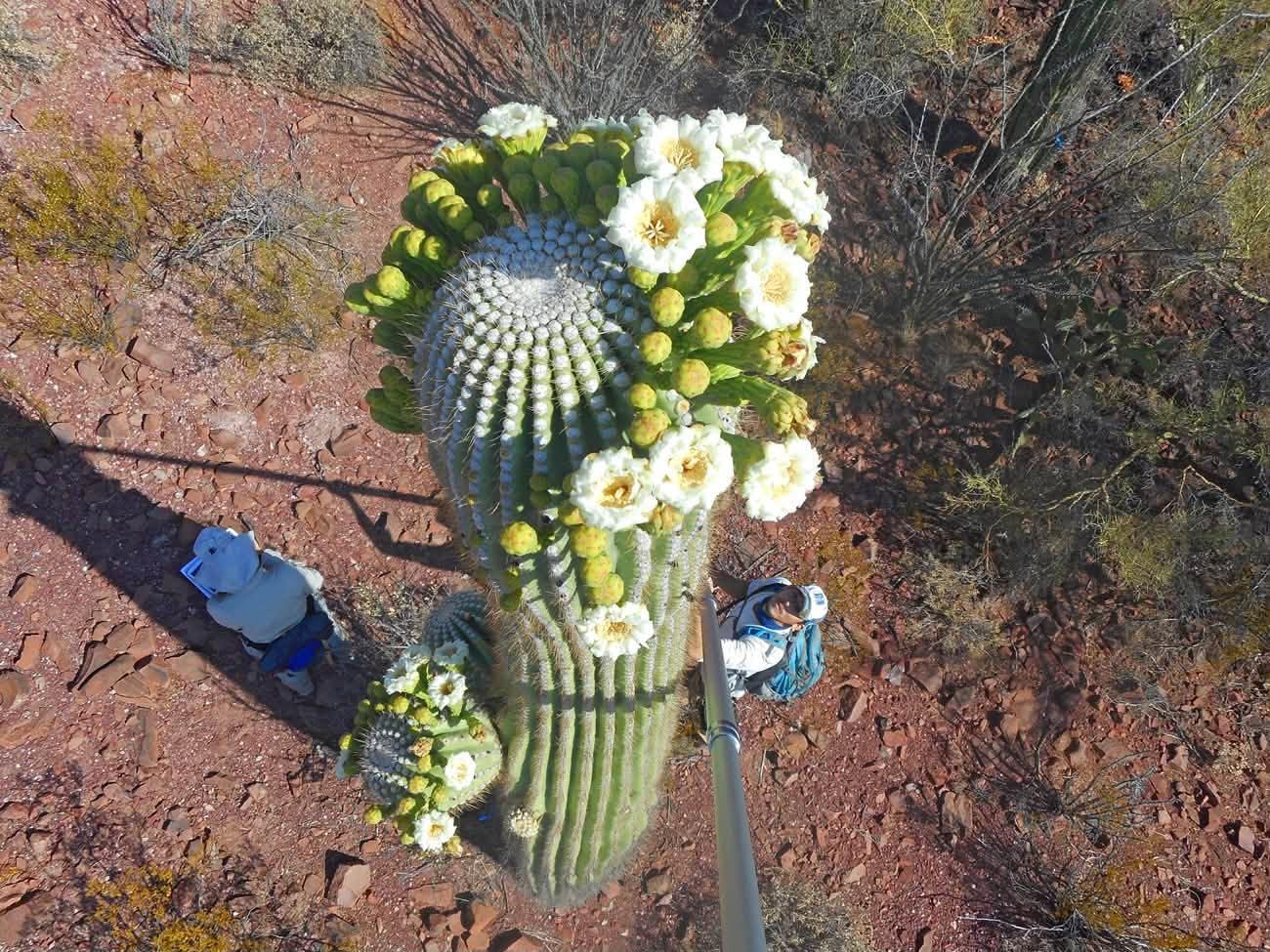
The waxy flowers can reach 3 inches across, and are pollinated by bees, birds, and bats. They open at night and last just one day. A saguaro cactus does not begin flowering until it is around 35 years old, and does not begin growing arms until about 75 years old. They can grow up to 50 feet tall and can live around 200 years. They grow only in the Sonoran Desert. 

Bloom time: April-June

[Photos by the National Park Service.]

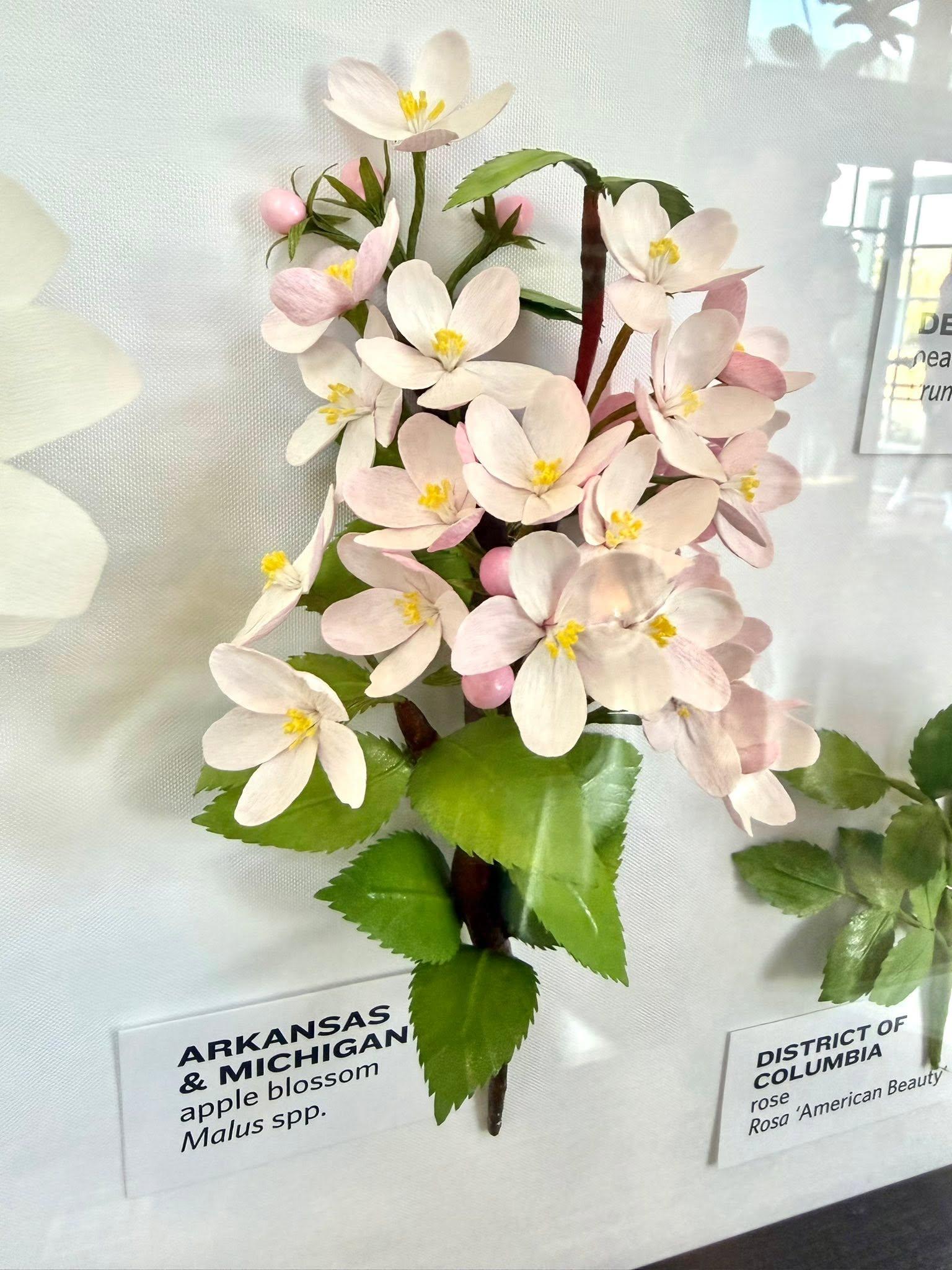
ARKANSAS & MICHIGAN

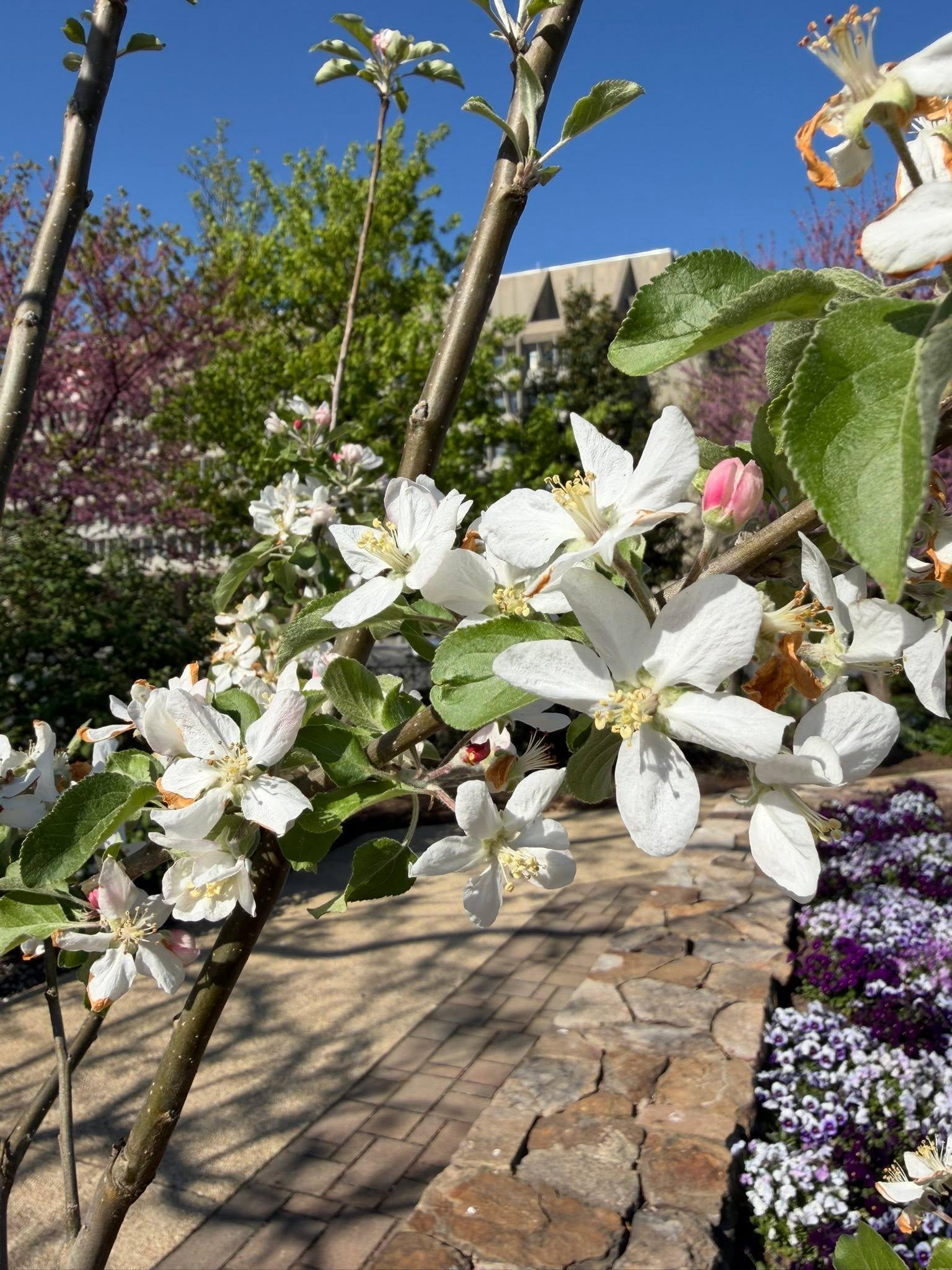
Apple blossom (Malus spp.)

While Arkansas did not adopt a specific species of apple blossom, Michigan cites Malus coronaria as a native flowering crabapple. These trees are often planted in orchards to help cross-pollinate M. domestica, which produces the apples we eat.

Bloom time: April-May

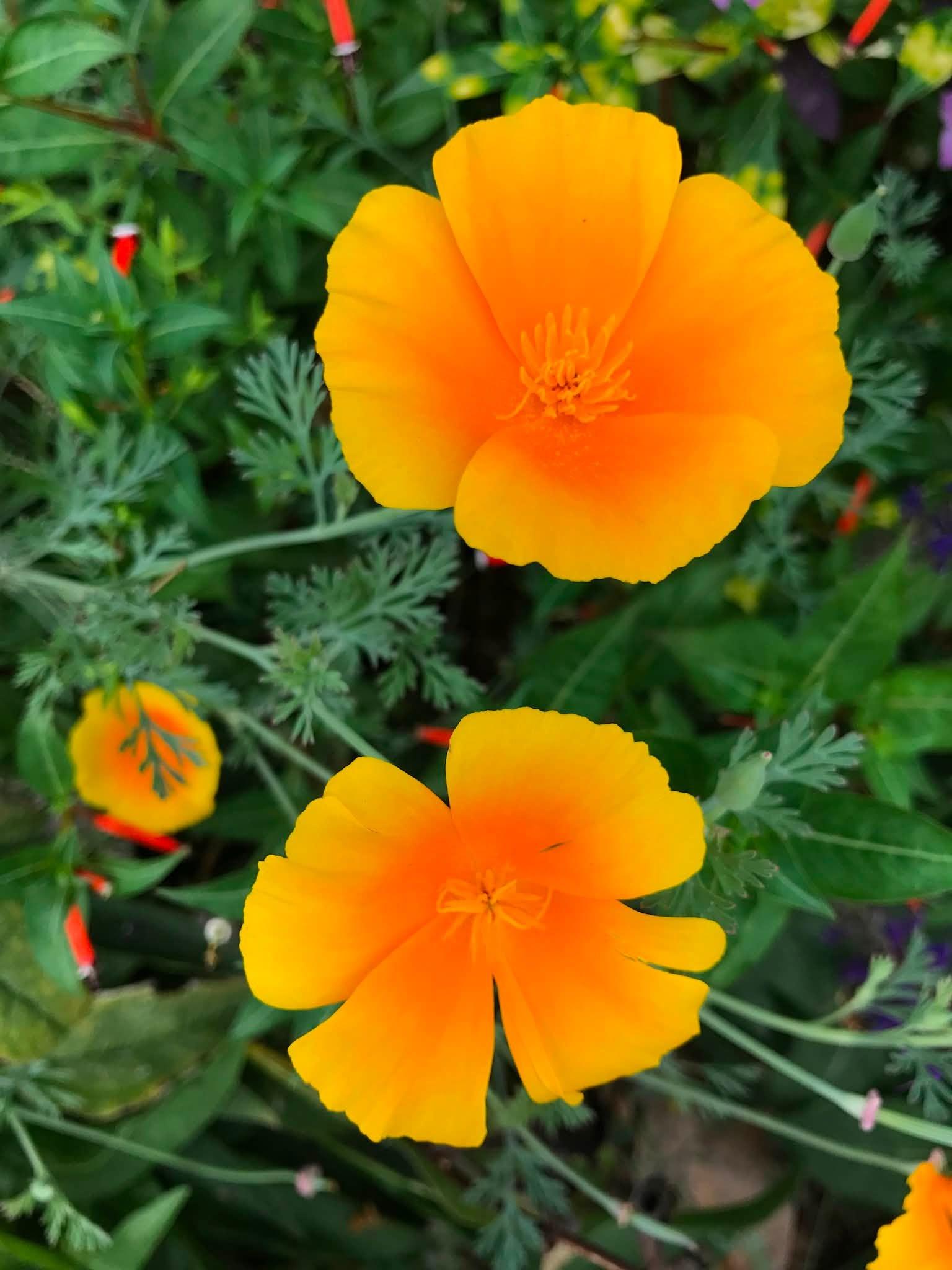
CALIFORNIA

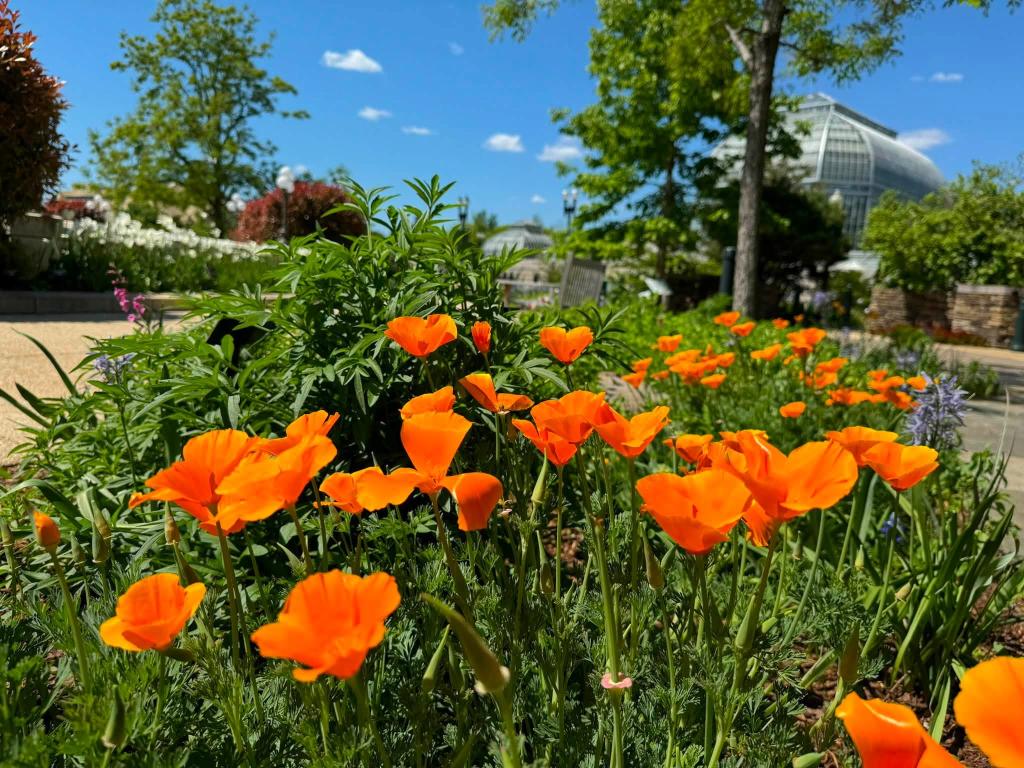
California poppy (Eschscholzia californica)
orange blossoms

Native Americans have used these flowers as candy and collected their pollen for cosmetic pigment. The plant can also have a much different use: poppies contain an alkaloid that can cause drowsiness.

Bloom time: April-June


This is part one of an eight article blog series. Keep checking usbg.gov/blog to explore the rest of this series, and stop by the Garden to see the exhibit in person before it closes October 12, 2026!